Triglyceride–glucose related index and its association with coronary heart disease risk in patients with metabolic dysfunction-associated steatotic liver disease: a retrospective analysis based on type 2 diabetes mellitus - Summary - MDSpire
Advertisement
Triglyceride–glucose related index and its association with coronary heart disease risk in patients with metabolic dysfunction-associated steatotic liver disease: a retrospective analysis based on type 2 diabetes mellitus
To evaluate the association between the triglyceride-glucose (TyG) index and coronary heart disease (CHD) risk in patients with metabolic dysfunction-associated steatotic liver disease (MASLD), specifically addressing the knowledge gap regarding the impact of type 2 diabetes mellitus (T2DM) on this relationship.
Approach:
Key Findings:
TyG index positively correlated with CHD risk (OR = 2.035).
T2DM also significantly associated with increased CHD risk (OR = 2.107).
Stronger association between TyG and CHD in patients with T2DM (OR = 3.34) compared to those without (OR = 1.89).
ROC-derived cut-off values for TyG were 7.992 for patients without T2DM and 9.005 for those with T2DM.
Interpretation:
The TyG index is a significant marker for assessing CHD risk in patients with MASLD, with its association being notably stronger in individuals with T2DM.
Limitations:
Retrospective design may limit causal inferences, potentially affecting the reliability of the associations.
Single-center study may affect generalizability to broader populations.
Potential confounding factors not fully controlled could influence the results.
Conclusion:
The TyG index is significantly correlated with CHD risk in MASLD patients, with T2DM status modifying this relationship, suggesting the need for tailored risk assessment strategies in clinical practice.
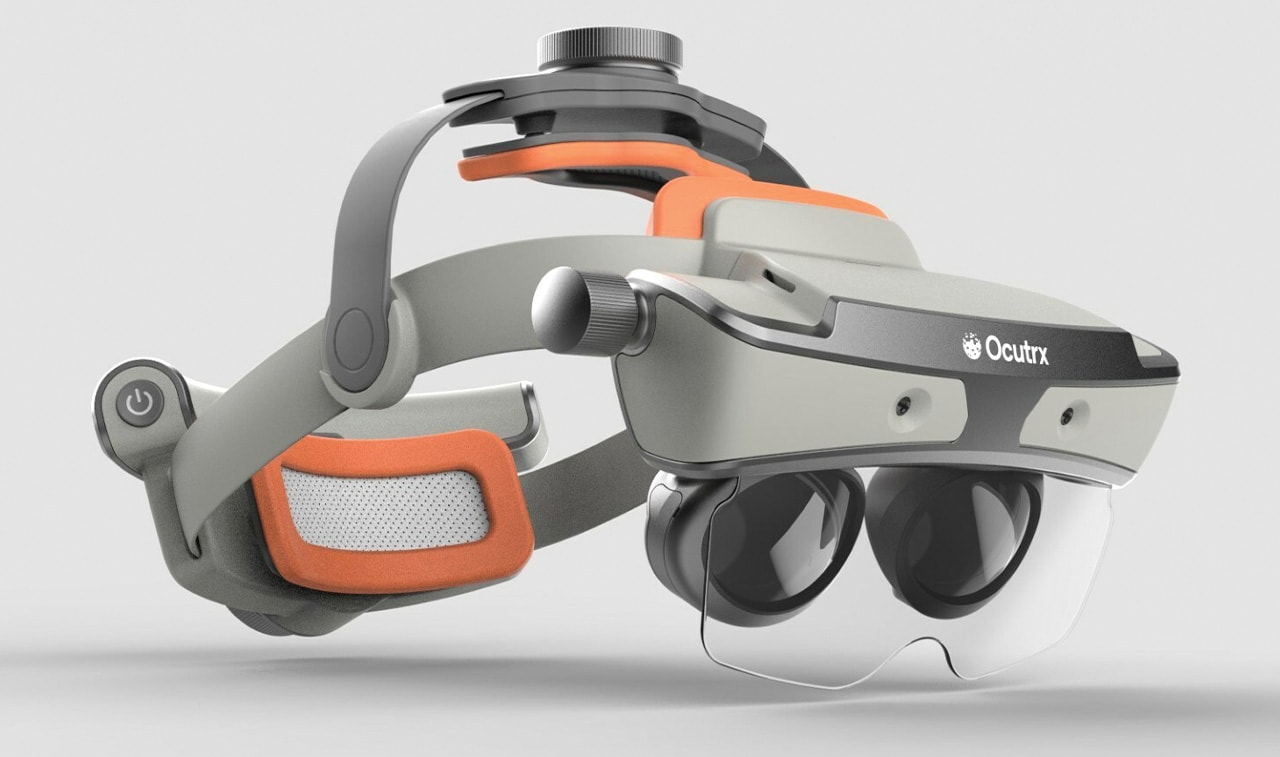
The use of wearable devices for health monitoring has attracted significant interest from patients, physicians, and other healthcare professionals because of their potential to usher in a new era of personalized, accessible, and convenient care. This article explores the use of wearable technology for monitoring retinal health, both through direct assessment of ocular parameters—such as visual field testing and imaging—and through systemic monitoring of surrogate markers of retinal health.