To evaluate the use and implications of continuous glucose monitors (CGMs) in individuals with and without diabetes.
Approach:
: This evaluation involved a comprehensive review of existing literature on the effectiveness and user experiences of CGMs in both diabetic and non-diabetic populations. Studies were analyzed to assess the impact of CGM usage on glucose control, dietary habits, and psychological effects.
Key Findings:
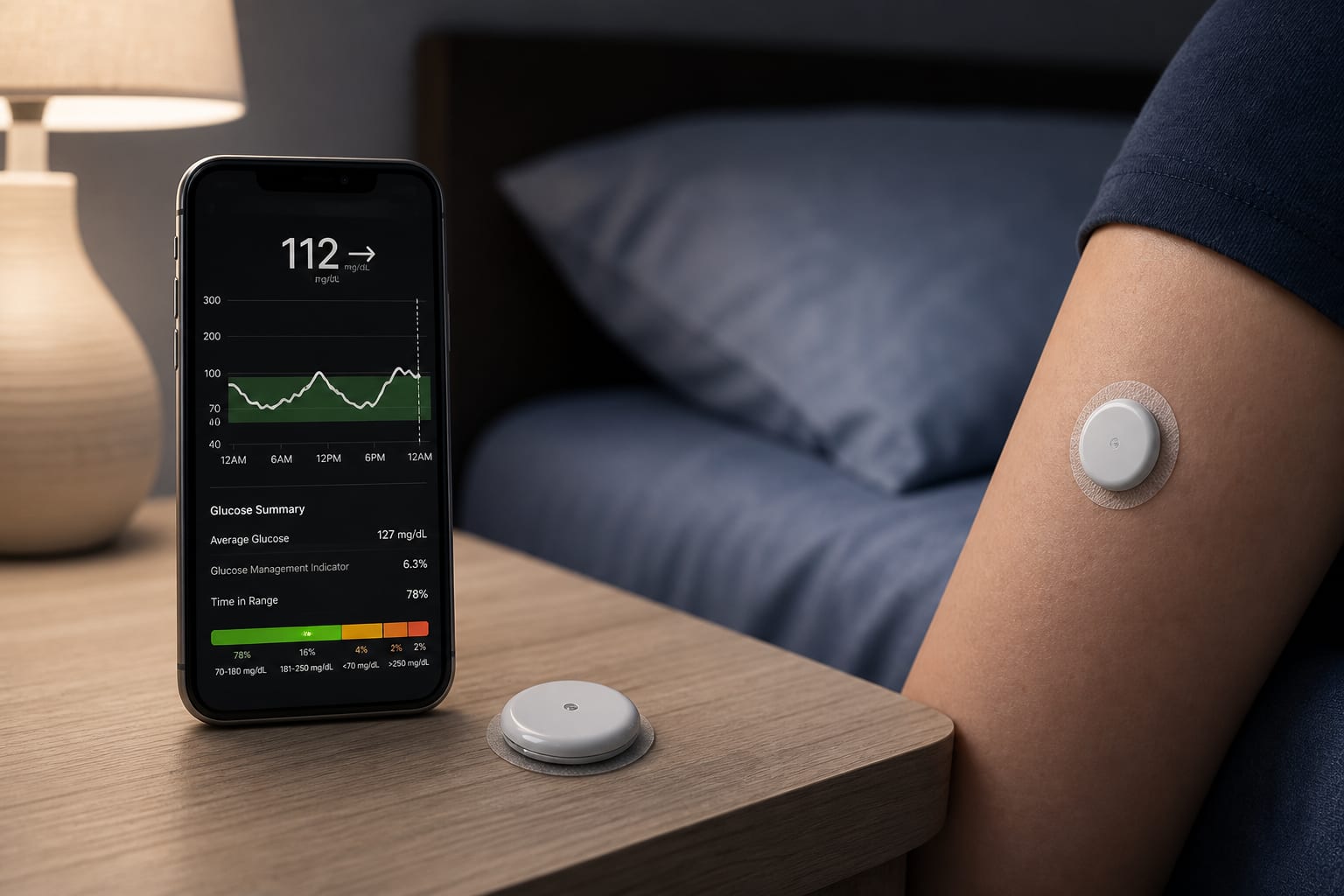
CGMs provide detailed records of blood glucose and can alert users to high or low levels.
There is no direct evidence that CGM use prevents diabetes complications or severe hypoglycemic reactions compared to usual care.
In individuals without diabetes, the significance of glucose fluctuations remains uncertain, and CGM use may lead to unnecessary dietary restrictions.
Compliance with CGM usage can be variable, and some users may struggle with consistent application and data interpretation.
Interpretation:
CGMs may simplify diabetes management for insulin-treated individuals, but adherence to monitoring protocols is essential for optimal benefits.
Limitations:
CGMs can cause skin irritation, malfunction, or detachment.
Excessive focus on glucose values may detract from overall health management.
Notifications from CGMs may disrupt sleep and induce stress.
There are concerns regarding the psychological impact of constant monitoring, which may lead to anxiety or over-reliance on technology.
Conclusion:
While CGMs may benefit certain individuals with type 2 diabetes, simpler strategies for health management are often recommended, particularly considering compliance and psychological factors.