Open Dressings Show Early Contamination
Study finds microbial growth across settings and dressing types following routine clinical handling
-
By
-
Meg Barbor
-
March 20, 2026
-
Objective:
To evaluate microbial contamination in open-but-unused wound dressings stored under routine clinical conditions.
Approach:
Key Findings:
- Microbial growth detected in 185 of 286 samples (65%) during culture.
- 34% of direct cultures showed microbial growth exceeding the predefined threshold.
- 95% of samples were positive after enrichment culture, indicating widespread low-level contamination.
- Contamination was detectable from the initial sampling day and increased with storage time and handling.
- Coagulase-negative staphylococci were found in 77% of contaminated samples, followed by Staphylococcus aureus in 17%.
- Contamination rates were higher in hospital samples (72%) compared to primary care (57%).
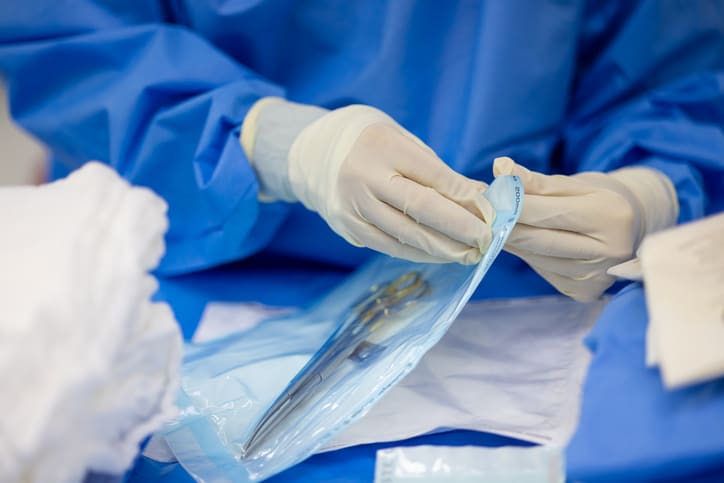
- Scissors used to cut dressings showed contamination in 75% of samples.
Interpretation:
Open-but-unused wound dressings frequently harbor detectable microbial contamination, particularly after enrichment culture, highlighting potential risks in clinical settings.
Limitations:
- Observational design without standardized environmental controls.
- Sampling from a single hospital unit and primary care center.
- Did not assess whether contamination leads to clinical infection.
Conclusion:
Microbial contamination of open-but-unused wound dressings occurs early under routine handling conditions across clinical settings and dressing types.
Sources: