To outline strategies for improving CAR T-cell therapy efficacy in acute myeloid leukemia (AML) by addressing metabolic and microenvironmental challenges.
Approach:
Key Findings:
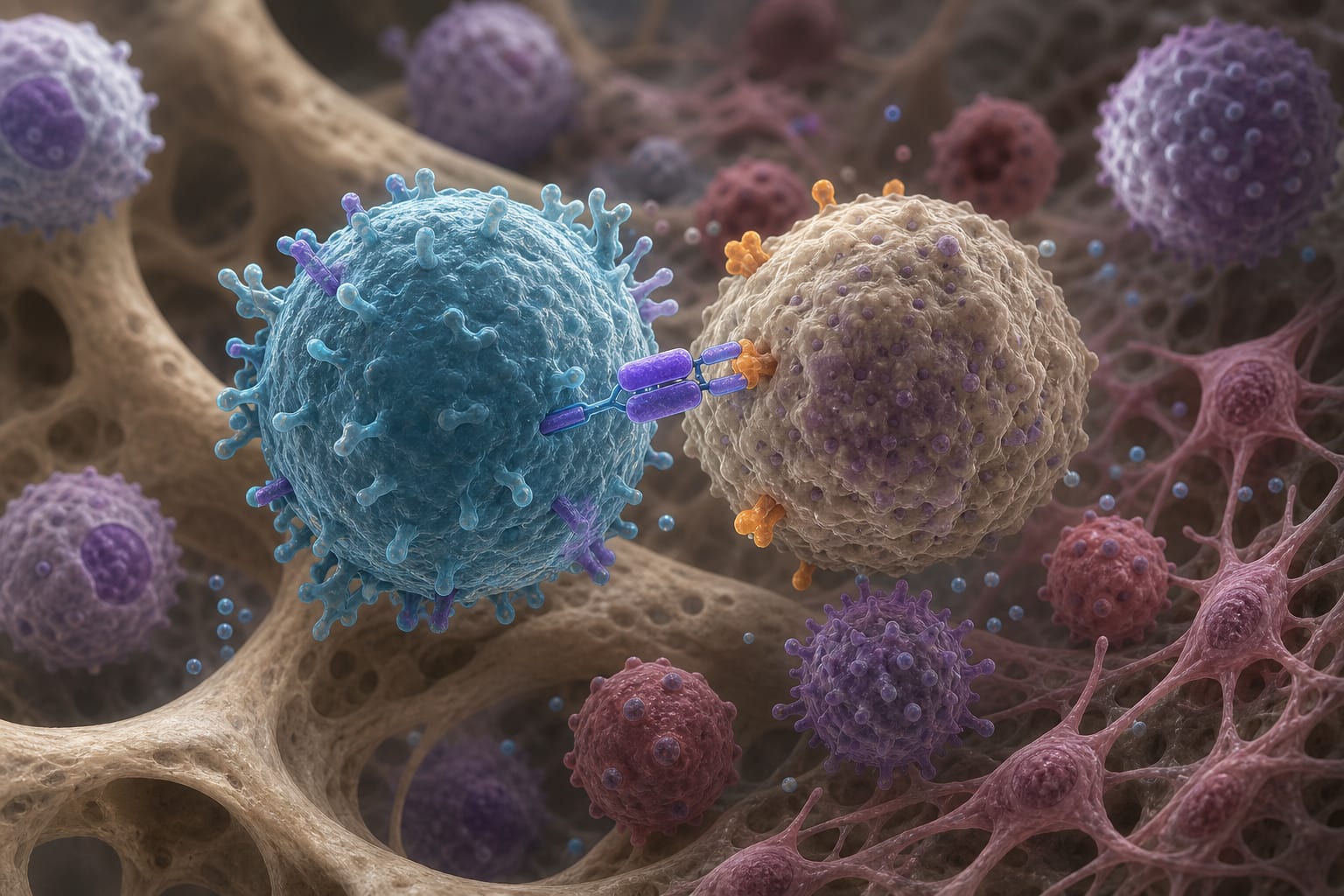
CAR T-cell therapy faces challenges in AML due to antigenic heterogeneity and a suppressive microenvironment that includes inhibitory cytokines, checkpoint signaling, and metabolic competition.
Exhaustion in CAR T-cells is driven by a combination of transcriptional, epigenetic, metabolic, and functional dysfunction, particularly exacerbated by the nutrient-restricted, hypoxic marrow environment.
The quality of autologous T cells from AML patients is often poor, impacting CAR T-cell manufacturing and efficacy due to factors like chronic antigenic stimulation and systemic inflammation.
Allogeneic CAR T-cell platforms may offer advantages in terms of baseline fitness but come with risks such as graft-versus-host disease and the need for complex gene-editing approaches.
Interpretation:
The review emphasizes the need for a fitness-first approach that focuses on engineering CAR T-cells to maintain functionality under stress from the AML environment.
Limitations:
Challenges in manufacturing CAR T-cells from dysfunctional autologous T cells.
Potential complications associated with allogeneic CAR T-cell strategies.
Conclusion:
Integrating strategies that enhance T-cell fitness and modulate the microenvironment is crucial for improving CAR T-cell therapy outcomes in AML, addressing both metabolic and environmental challenges.