To evaluate the efficacy of weight-standardized intraperitoneal instillation of bupivacaine in patients undergoing laparoscopic bariatric surgery and its effects on postoperative pain outcomes.
Approach:
Study Design: A randomized clinical trial involving ninety adult patients with severe obesity undergoing various laparoscopic bariatric procedures.
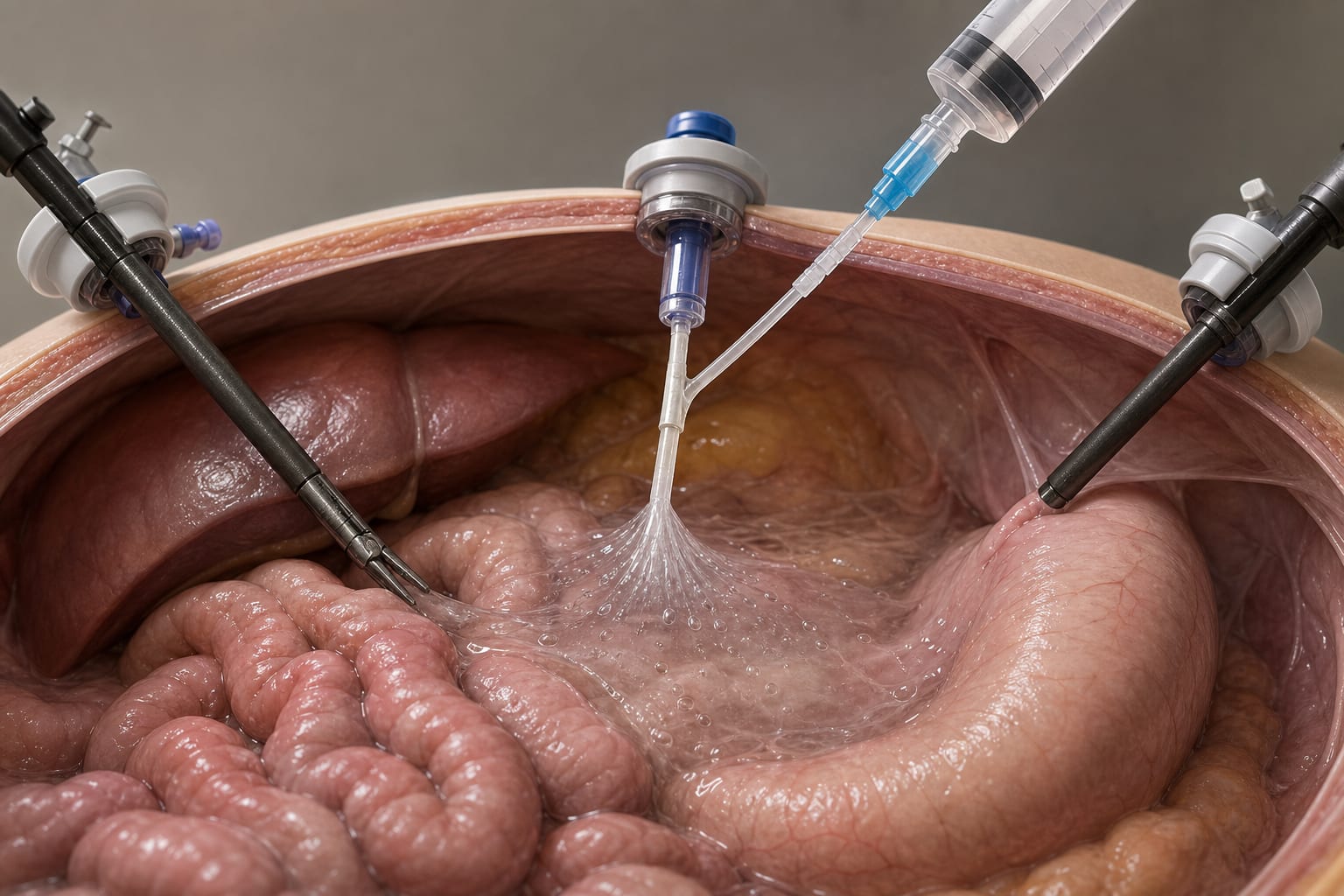
Intervention: Patients received either 0.2% bupivacaine or normal saline instilled intraperitoneally at the end of surgery.
Pain Assessment: Postoperative pain was assessed using the Visual Analogue Scale (VAS) at multiple time points post-surgery.
Key Findings:
Intraperitoneal bupivacaine significantly reduced postoperative pain scores compared to normal saline, according to the study results.
Patients receiving bupivacaine required fewer rescue analgesics postoperatively, as indicated by the findings.
The study demonstrated the safety of the bupivacaine dosage used in the obese population.
Interpretation:
The study findings indicate that intraperitoneal bupivacaine is effective in managing postoperative pain in patients undergoing laparoscopic bariatric surgery.
Limitations:
The study was conducted at a single institution, which may limit generalizability.
The sample size may not be sufficient to detect rare complications.
Conclusion:
Intraperitoneal bupivacaine is an effective method for pain relief after laparoscopic bariatric surgery.