Bacterial pathogens and antimicrobial susceptibility profiles in acute appendicitis in children: a retrospective study at a tertiary hospital in Ningbo, China - Summary - MDSpire
Advertisement
Bacterial pathogens and antimicrobial susceptibility profiles in acute appendicitis in children: a retrospective study at a tertiary hospital in Ningbo, China
To investigate the distribution of bacterial pathogens in intraoperative specimens from children with acute appendicitis, characterize the antimicrobial resistance profiles of predominant Gram-negative bacteria, and compare microbiological differences between non-gangrenous and gangrenous appendicitis.
Approach:
Study Design: Retrospective review of records of patients aged below 18 years who underwent appendectomy for pathologically confirmed acute appendicitis at a tertiary hospital in Ningbo, China, from January 2019 to December 2024.
Microbiological Methods: Intraoperative pus, peritoneal fluid, or drainage fluid was cultured aerobically, and isolates were identified and tested for antimicrobial susceptibility.
Pathology-stratified Analysis: Comparison of infection type and major pathogen detection between non-gangrenous and gangrenous appendicitis.
Key Findings:
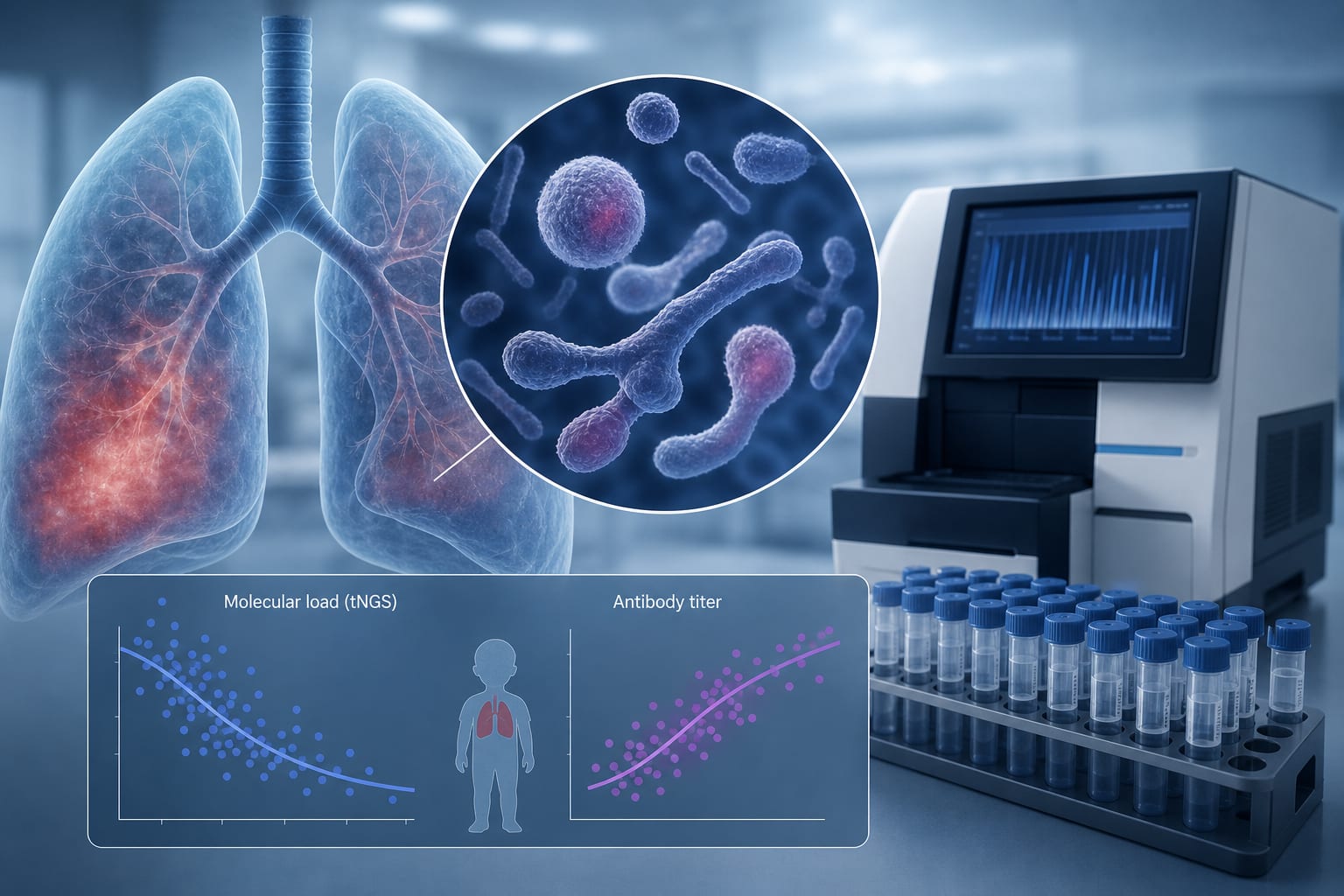
1,393 (70.31%) of 1,981 children had positive cultures, yielding 1,903 isolates.
Gram-negative organisms accounted for 81.14% of isolates.
The most common Gram-negative pathogens were Escherichia coli (55.12%), Pseudomonas aeruginosa (13.14%), and Comamonas testosteroni (5.41%).
E. coli showed high resistance to ampicillin (84.56%), trimethoprim-sulfamethoxazole (55.67%), and ceftriaxone (48.85%), while resistance to piperacillin/tazobactam and imipenem was low (0.19% and 0.67%).
Polymicrobial infection was more common in gangrenous appendicitis (42.07%) compared to non-gangrenous (33.70%).