To summarize recent advances in the immune-inflammatory endotyping of chronic rhinosinusitis (CRS) and discuss the clinical significance of these endotypes as presented in the article.
Approach:
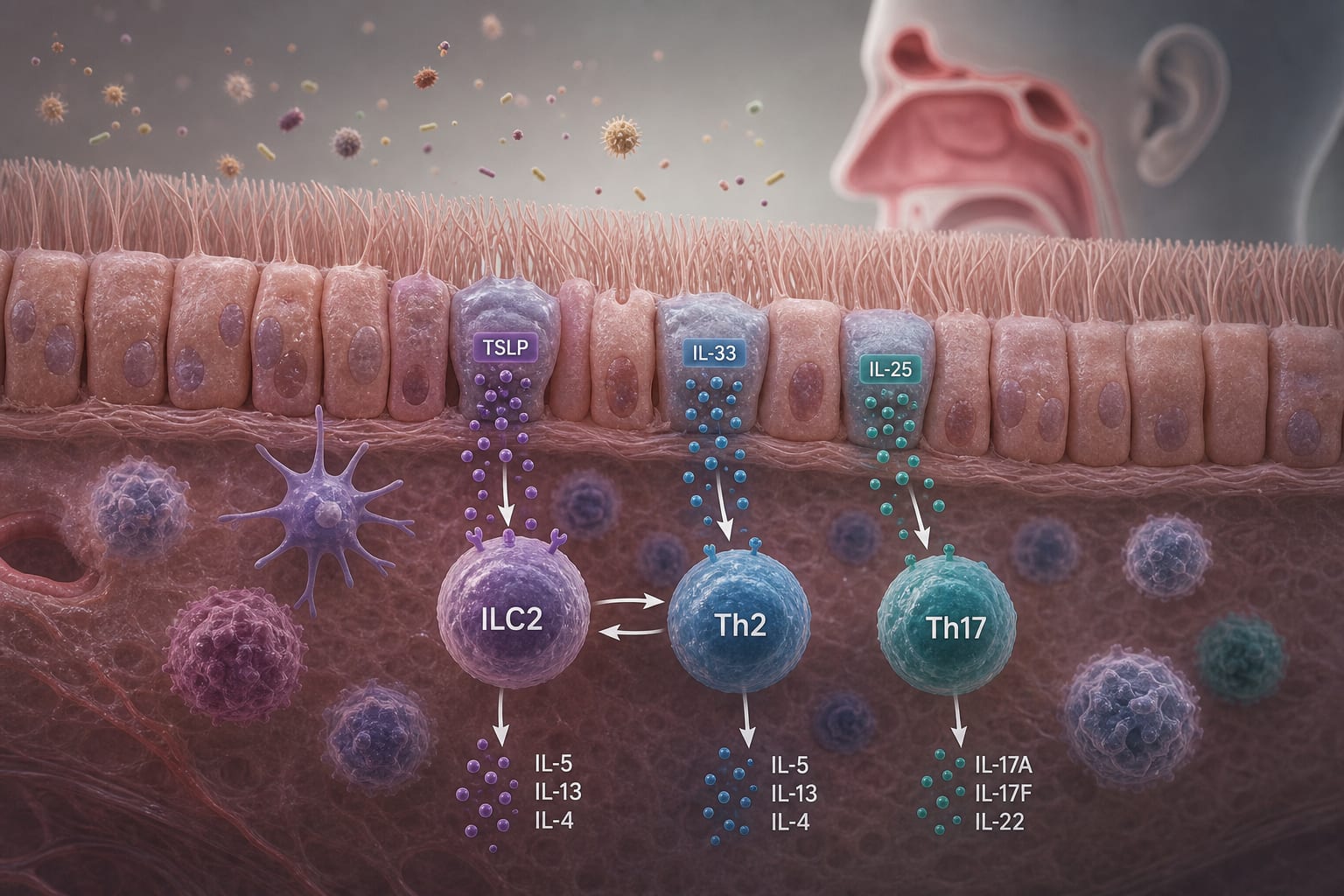
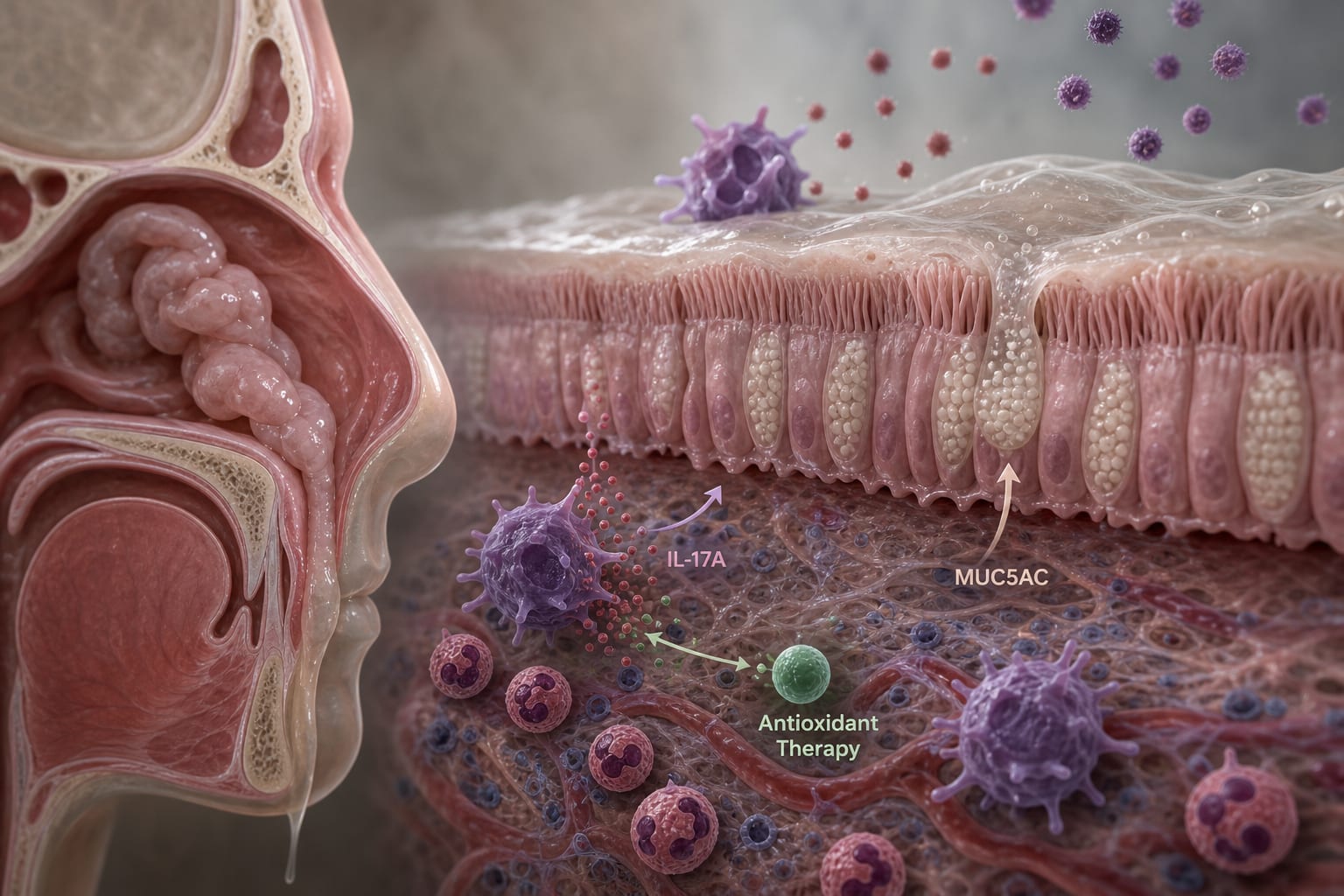
Endotyping Overview: The article discusses the shift from traditional phenotypic classifications of CRS to immune-inflammatory endotyping, which delineates distinct inflammatory pathways, particularly type 1, type 2, and type 3 immune responses.
Immune Responses: It describes the major immune responses in CRS: type 1, type 2, and type 3, each characterized by unique immune cells and cytokine profiles, including eosinophils, mast cells, and T-helper cells.
Epithelial Cytokines: The role of epithelial-derived cytokines such as TSLP, IL-33, and IL-25 in modulating the immune landscape of CRS is highlighted, emphasizing their contribution to tissue remodeling and inflammation.
Population Variability: The article notes variations in immune responses among different populations, emphasizing the need for precise immunological characterization to address the disease's heterogeneity.
Key Findings:
Traditional phenotypic classifications of CRS are inadequate for capturing the disease's underlying heterogeneity.
Immunological endotyping provides a more nuanced understanding of CRS, linking specific immune responses to clinical outcomes.
Eosinophilic CRS is associated with higher rates of nasal polyp recurrence and comorbid asthma, necessitating tailored therapies.
Geographical and ethnic differences affect the prevalence of CRS endotypes, indicating the need for regionally adapted approaches.
Interpretation:
The shift towards immunological endotyping in CRS research allows for better characterization of the disease and informs personalized treatment strategies.
Limitations:
The article does not provide specific clinical trial data to support the efficacy of proposed therapies.
Variability in endotype prevalence across populations may complicate the generalizability of findings, highlighting the need for regionally adapted approaches.
Conclusion:
Immunological endotyping enhances the understanding of CRS mechanisms and guides personalized treatment strategies.
The 2025 US Department of Veterans Affairs and US Department of Defense asthma guideline introduces 21 evidence-based recommendations for primary care, redefining stepwise treatment, comorbidity management, and reliever strategy.