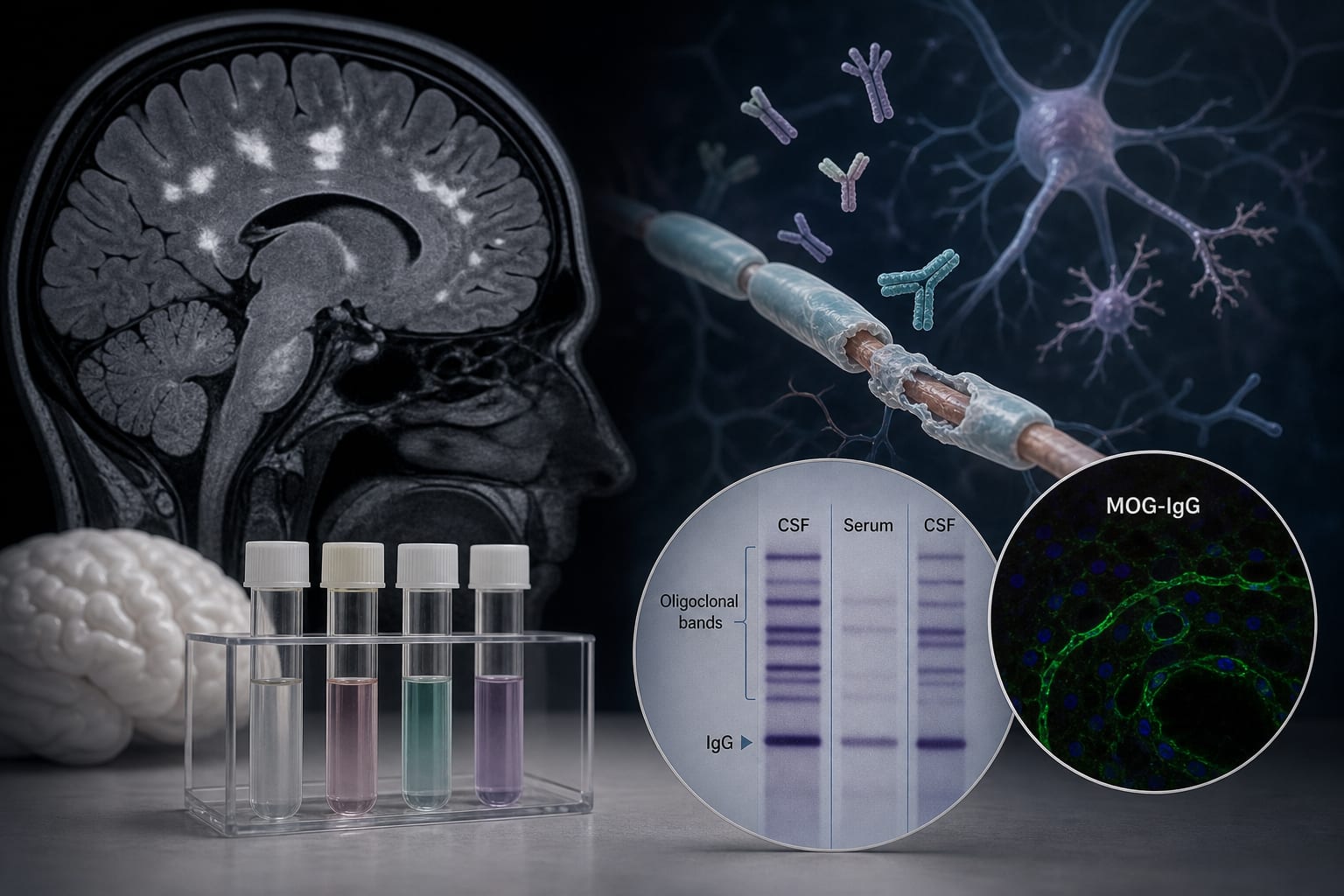
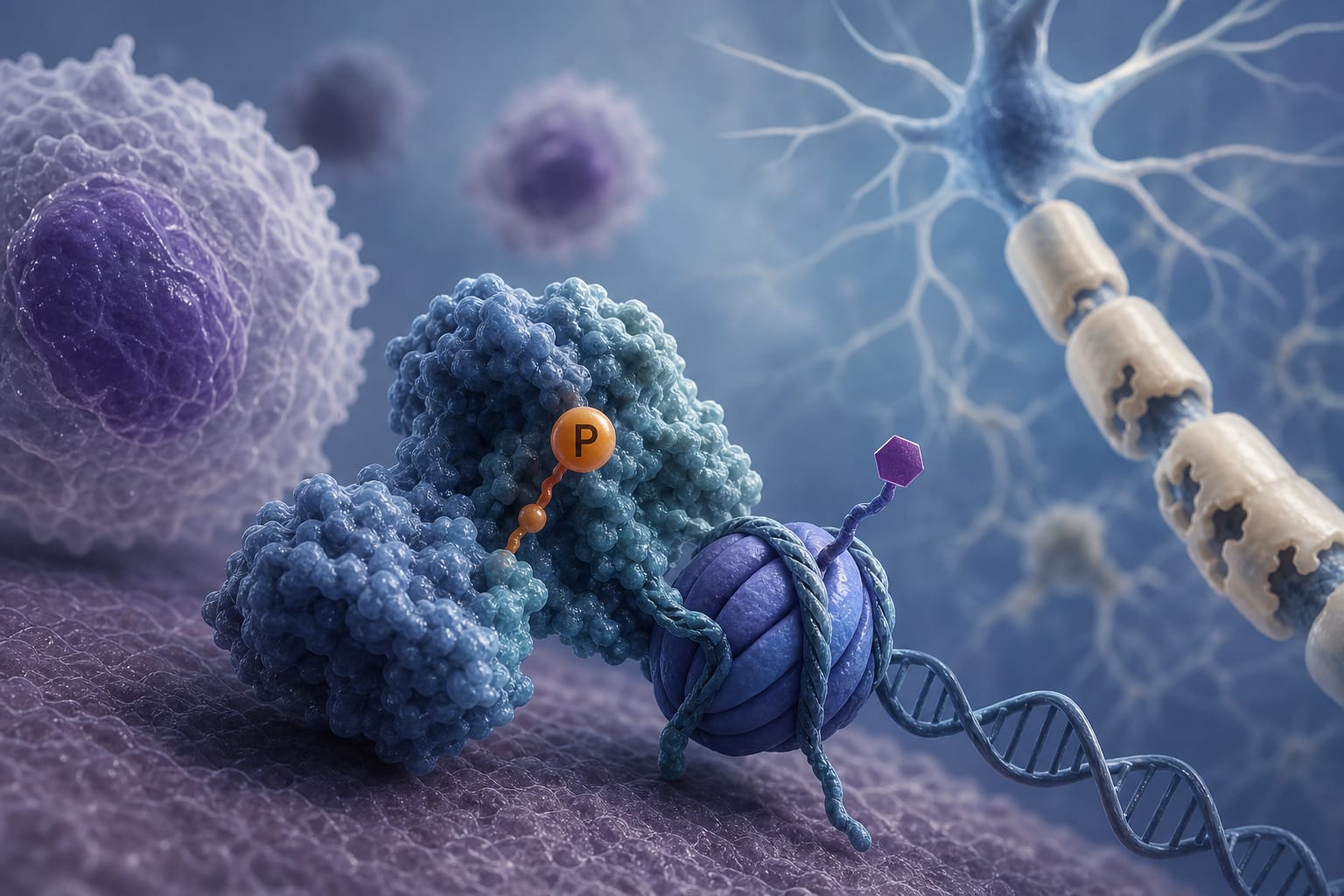
To explore the immune functions of neuroglial cells and their interactions with peripheral immune cells in the central nervous system (CNS), emphasizing their significance in CNS disorders.
Key Findings:
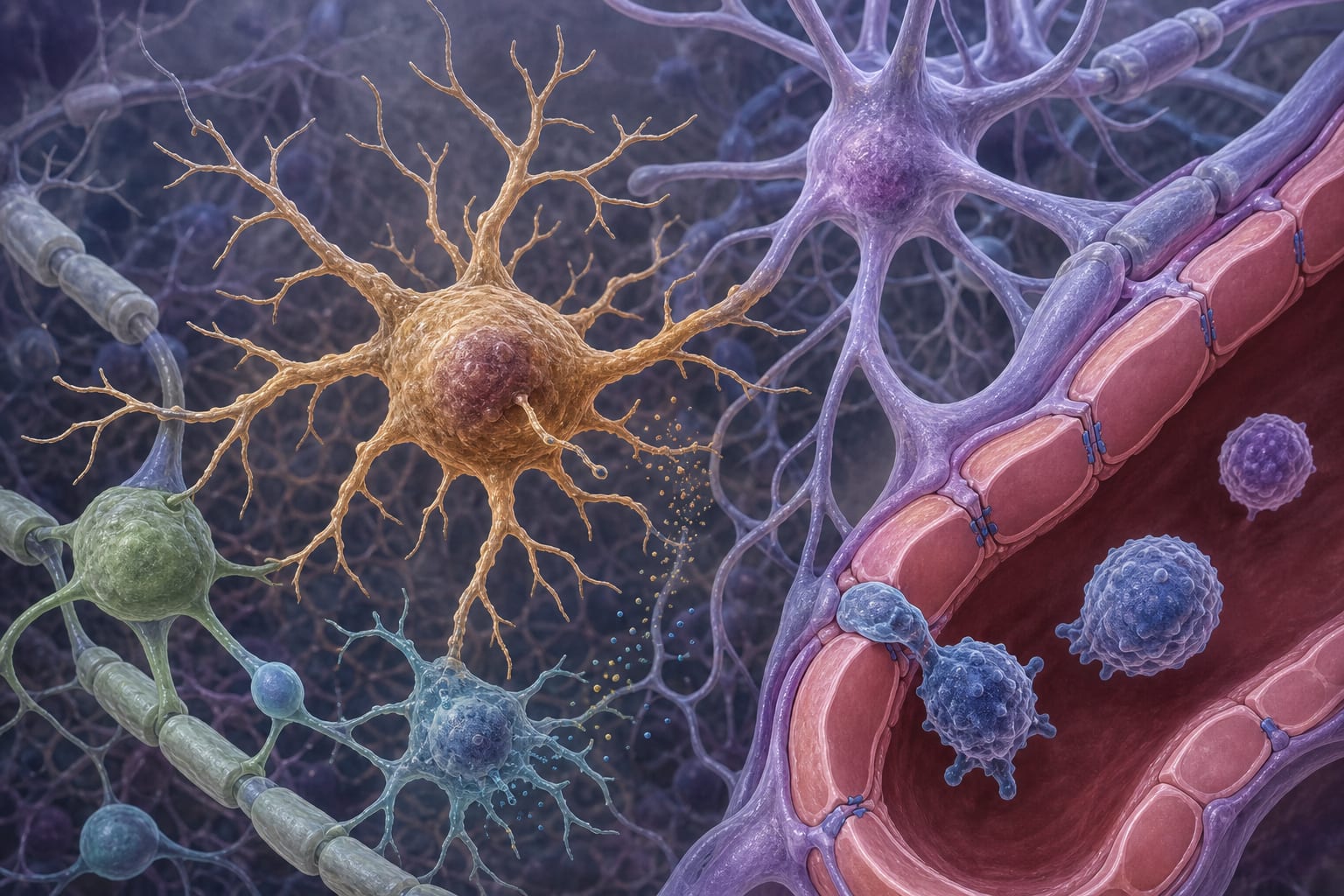
Microglia continuously monitor the CNS environment and respond to various stimuli, as evidenced by recent studies.
Astrocytes play a crucial role in maintaining the blood-brain barrier and regulating immune cell entry, impacting CNS health.
OPCs have complex immune functions, including phagocytosis and cytokine release, which are critical in neuroinflammatory contexts.
Microglia and T cells interact to influence the microenvironment of OPCs, affecting remyelination and overall CNS health.
Inflammatory responses can have detrimental effects on brain health, as shown in neurodegeneration models, highlighting the need for targeted therapies.
Interpretation:
The interactions among different neuroglial cell types and their immune functions are critical for CNS homeostasis and response to injury or disease.
Limitations:
The complexity of neuroglial interactions requires further investigation to fully understand their immune roles, particularly in chronic conditions.
Current studies may not encompass all potential immune functions of neuroglia, necessitating broader research approaches.
Conclusion:
Understanding the immune capabilities of neuroglia and their interactions is essential for developing new therapeutic strategies for CNS disorders, particularly in the context of neuroinflammation and neurodegeneration.