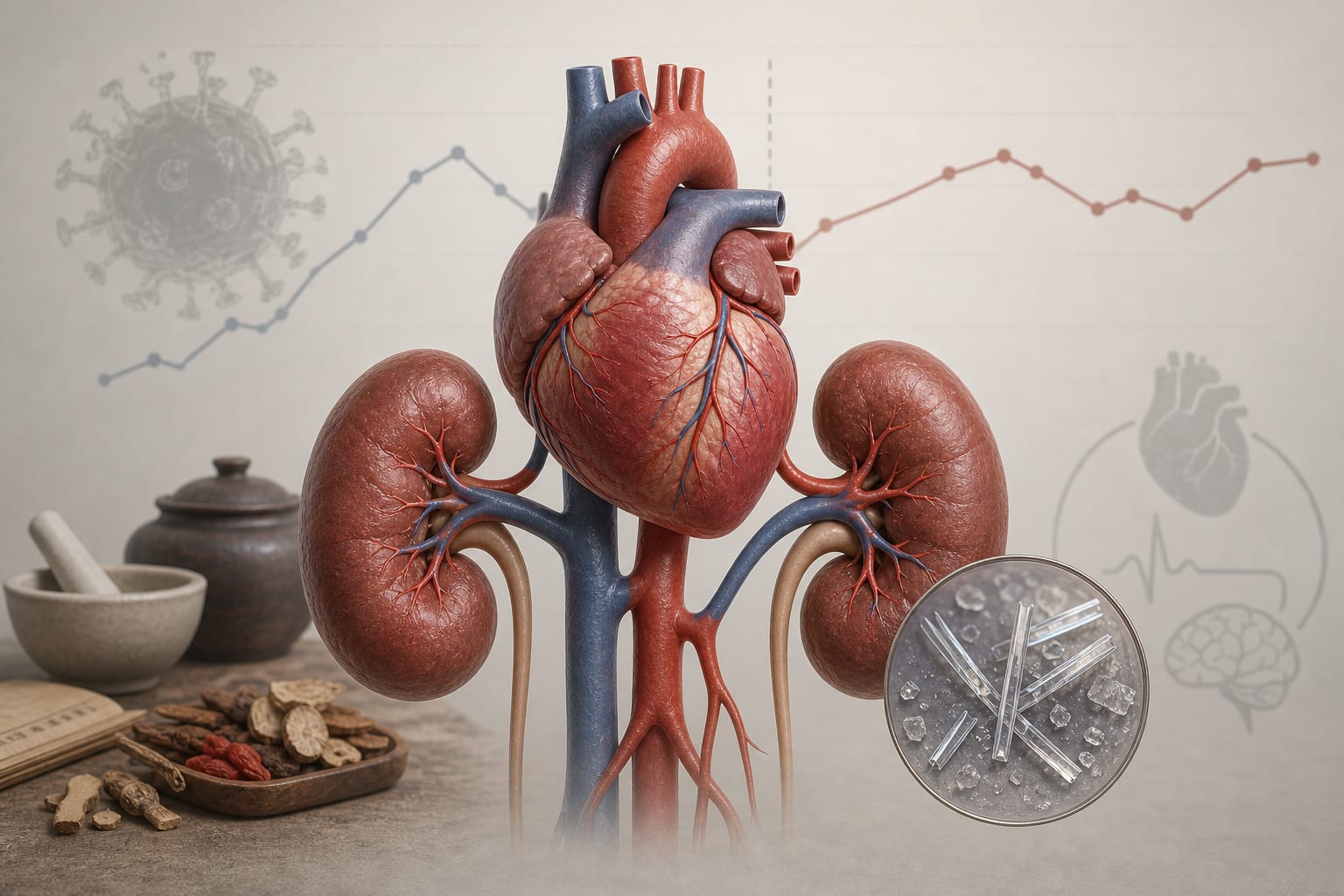
To explore cardiovascular risk and cardioprotective treatments in the context of Type 2 diabetes (T2D), highlighting the significance of addressing both conditions together.
Key Findings:
1 in 6 myocardial infarction patients is newly diagnosed with diabetes, underscoring the need for better screening.
Interventions can significantly reduce cardiovascular disease burden and improve productivity, linking health to economic outcomes.
SCORE2-diabetes and ADVANCE are effective risk prediction models for T2D, guiding clinical decisions.
CARE-DM model accurately predicts cardiovascular risk in older T2D patients, enhancing individualized care.
Low heart rate variability is associated with increased mortality in T2D, indicating a need for monitoring.
SGLT2 inhibitors are widely used in T2D patients with heart failure, reflecting evolving treatment strategies.
Albiglutide reduces cardiovascular events without increasing atrial fibrillation risk, supporting its clinical use.
Combination therapies are recommended for chronic kidney disease in diabetes, promoting comprehensive management.
Interpretation:
The intersection of diabetes and cardiovascular disease presents significant challenges, necessitating improved screening, individualized treatment approaches, and effective risk prediction models.
Limitations:
Real-life performance of risk-prediction models is heterogeneous, affecting their applicability.
Some studies may have limited generalizability due to specific populations, which should be considered in practice.
Conclusion:
Addressing cardiovascular risk in T2D requires a multifaceted approach, including better screening, effective treatment strategies, and individualized patient care, which are crucial for improving public health outcomes.