To discuss novel insights on the epidemiology of acquired hypothalamic obesity (aHO) and derive preliminary, practice-oriented recommendations for diagnosis and management.
Key Findings:
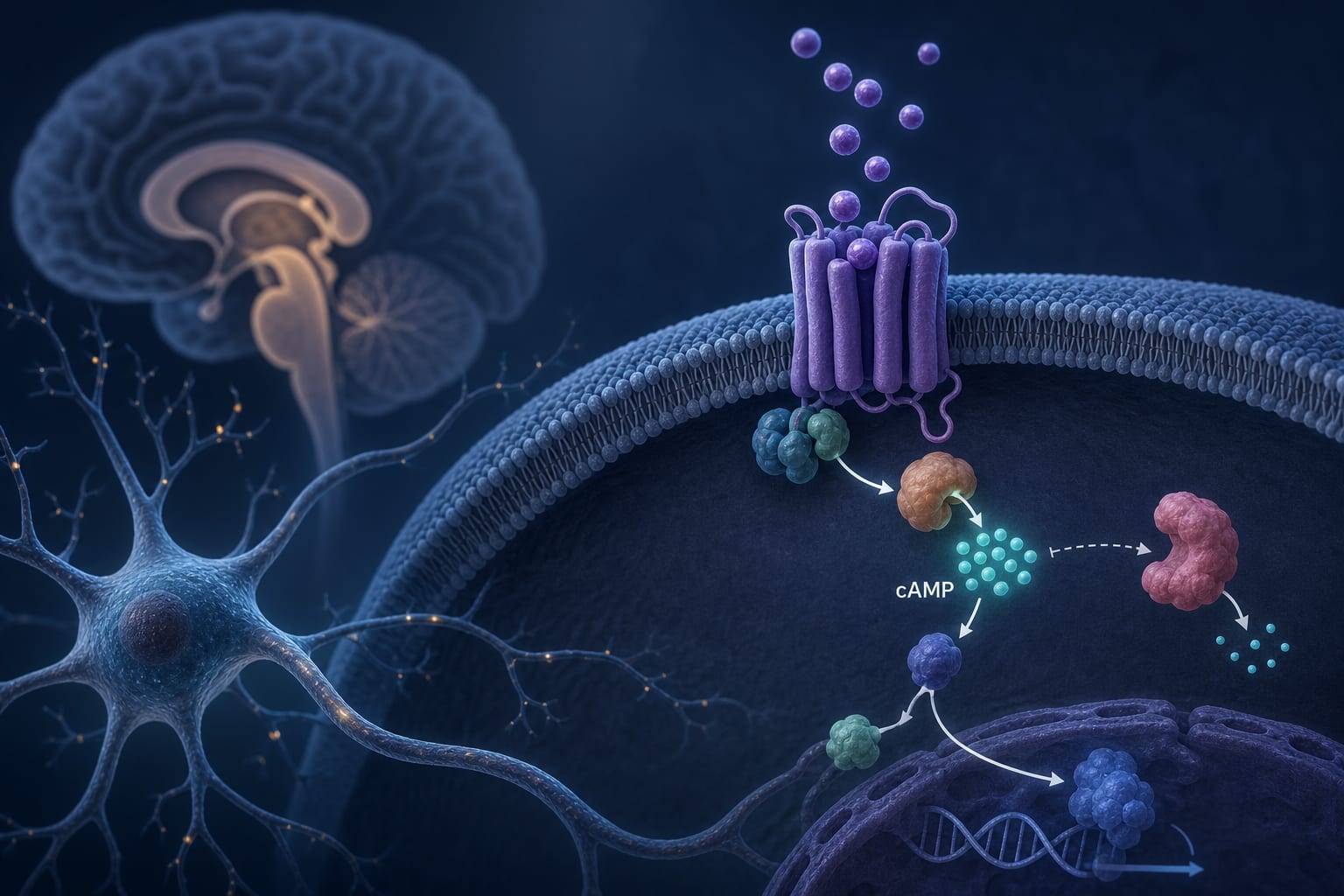
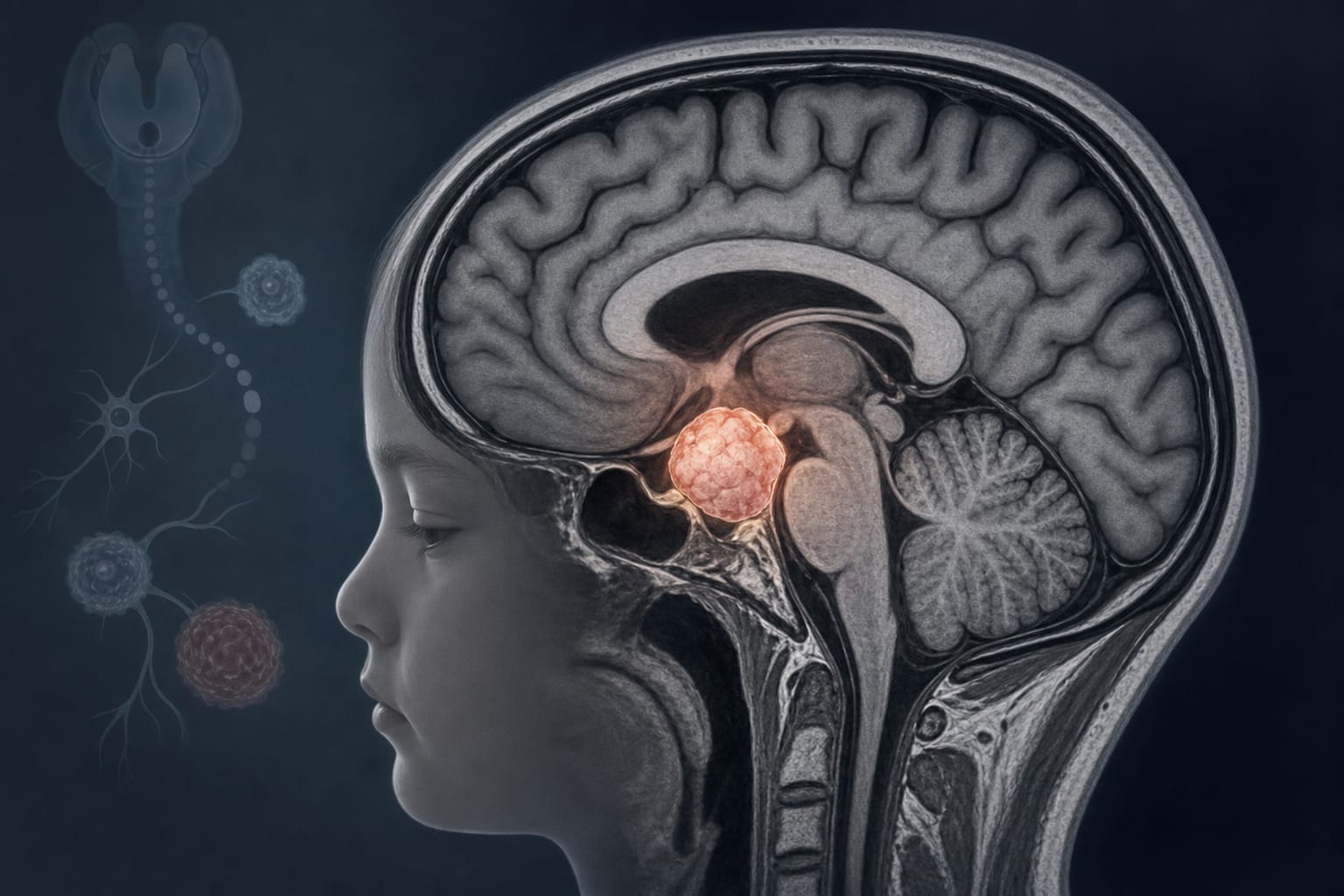
aHO is characterized by rapid, significant, and persistent weight gain due to hypothalamic damage, associated with substantial morbidity and increased mortality.
Etiologies include craniopharyngioma, other space-occupying lesions, neurosurgical procedures, cranial irradiation, and traumatic brain injury.
Pharmacological treatments such as dextroamphetamine and GLP-1 receptor agonists show potential benefits.
Preliminary results from the TRANSCEND trial indicate setmelanotide significantly reduces BMI in aHO patients.
Interpretation:
aHO should be treated as part of hypothalamic syndrome, a complex disorder involving multiple neuroendocrine and behavioral challenges, requiring comprehensive management strategies.
Limitations:
No formal consensus process was utilized during the panel discussion, which may affect the robustness of the recommendations.
Efficacy of treatments in adults remains controversial and requires further validation.
Conclusion:
Continued research and multidisciplinary approaches are essential for improving outcomes in patients with aHO.
by Hermann L. Müller, Ute K. Bartels, Christian Denzer, Ulrich Dischinger, Jörg Flitsch, Johannes Gojo, Annette Richter-Unruh, Katrin Scheinemann, Katharina Schilbach, Carsten Friedrich