Pyridoxine-dependent and other pyridoxine-responsive epilepsies—insights into phenotype overlapping and the long-term outcome in a cohort of 21 children - Summary - MDSpire
Evaluation of etiology, phenotype, and long-term outcome, and defining the predictors of outcome in children with pyridoxine-responsive seizures.
Approach:
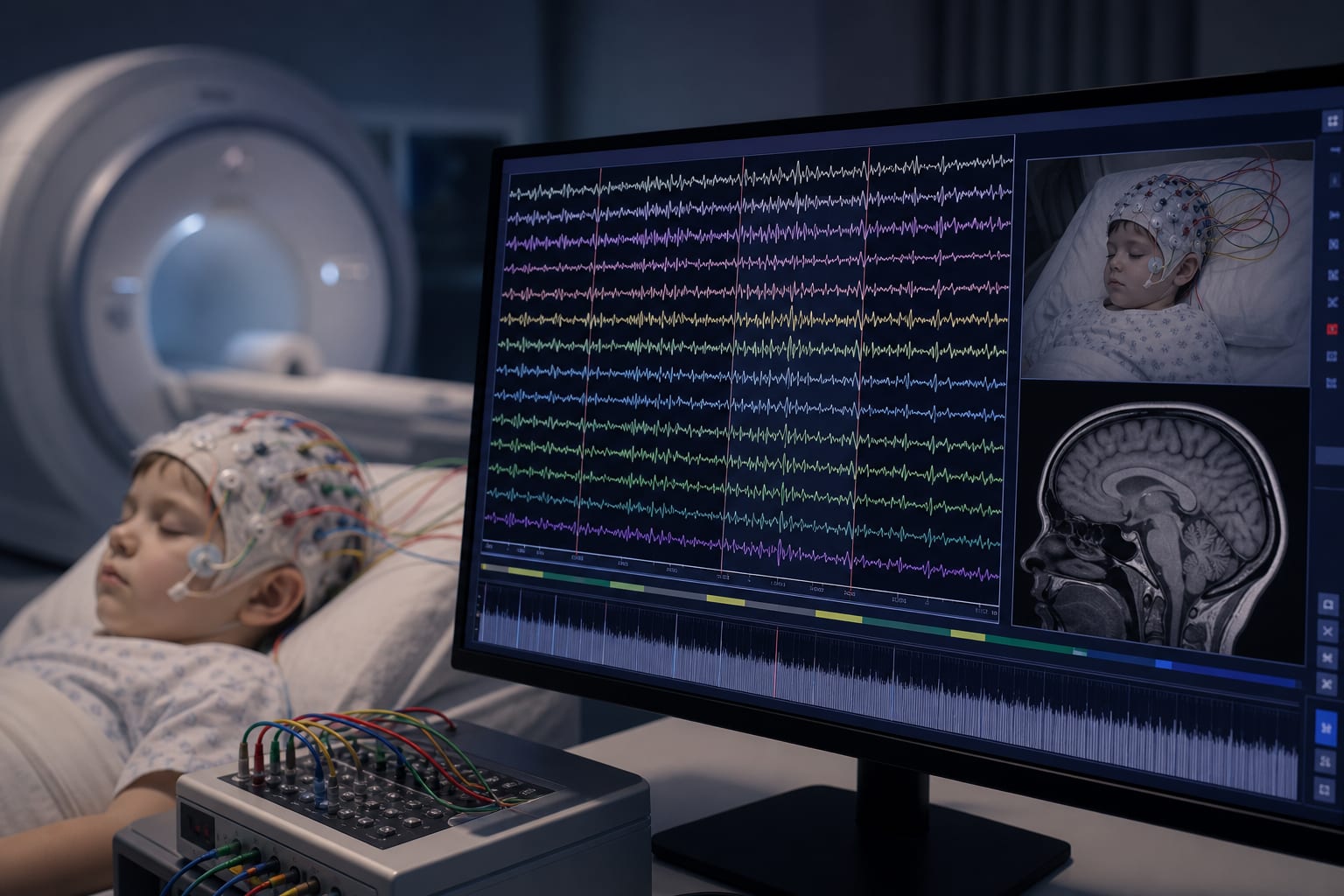
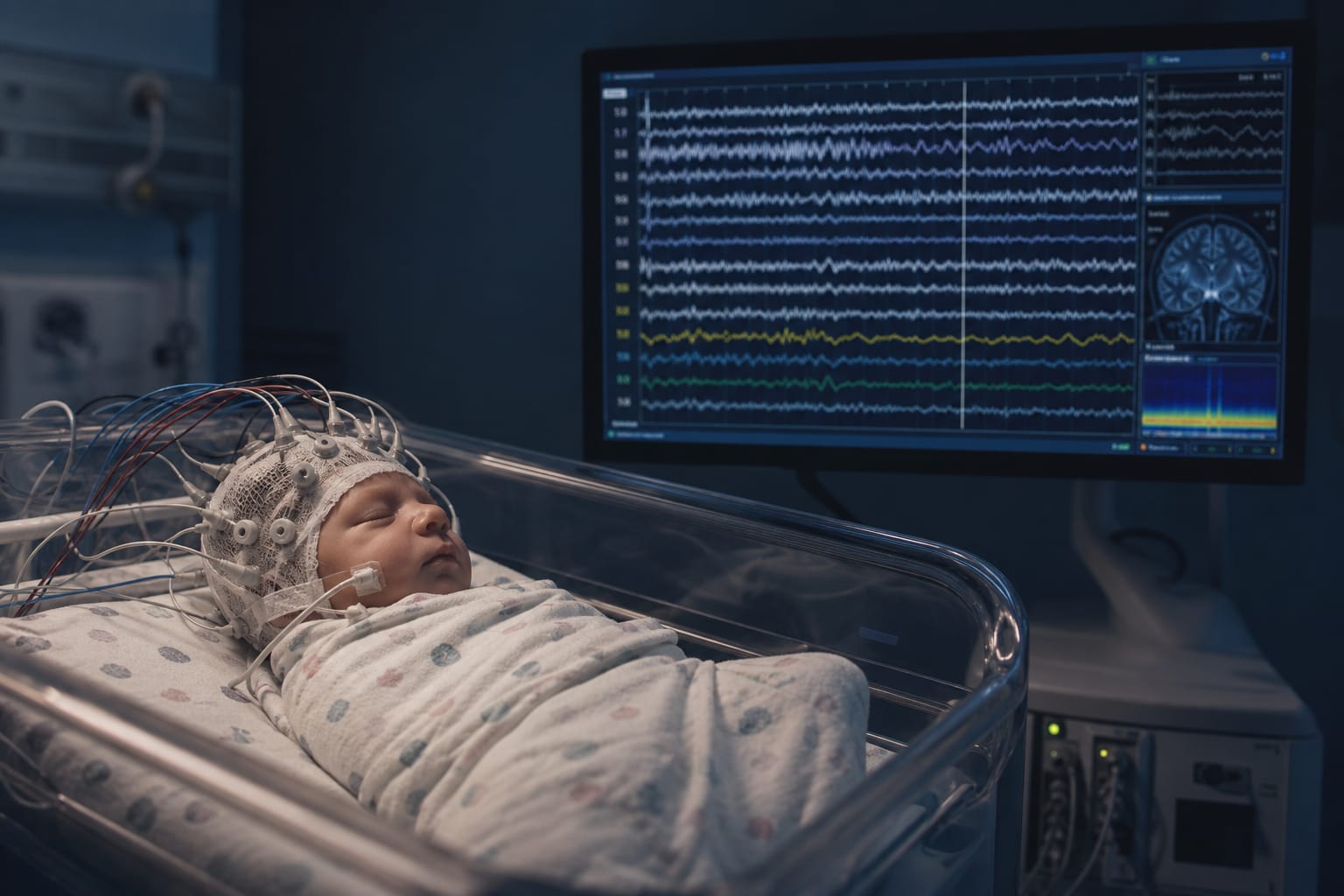
Study Design: Included all children with pyridoxine-responsive seizures treated from 2006 to 2025, utilizing serial video electroencephalography, brain MRI, metabolic, genetic analyses, and psychological assessment.
Patient Groups: Patients were divided into two groups: Group I (pyridoxine-dependent epilepsy with pathogenic variants) and Group II (pyridoxine-responsive epilepsy due to other etiologies).
Treatment Protocol: Early-onset seizures were treated with antiseizure medication, followed by pyridoxine if two ASMs failed.
Statistical Analysis: Used Mann–Whitney test, Fisher’s exact test, and Firth penalized logistic regression for statistical significance.
Key Findings:
Median age at seizure onset was 2 days for both groups.
No significant difference in time from seizure onset to pyridoxine treatment between groups (p = 0.65).
Developmental delay was present in 60% of PDE patients and 45.5% of PRE patients.
Seizure freedom was achieved in 80% of PDE and 72.7% of PRE patients.
MRI abnormalities were observed in 80% of PDE and 63.6% of PRE patients.
Interpretation:
Limitations:
Small sample size of 21 patients.
Limited follow-up duration for long-term outcomes.