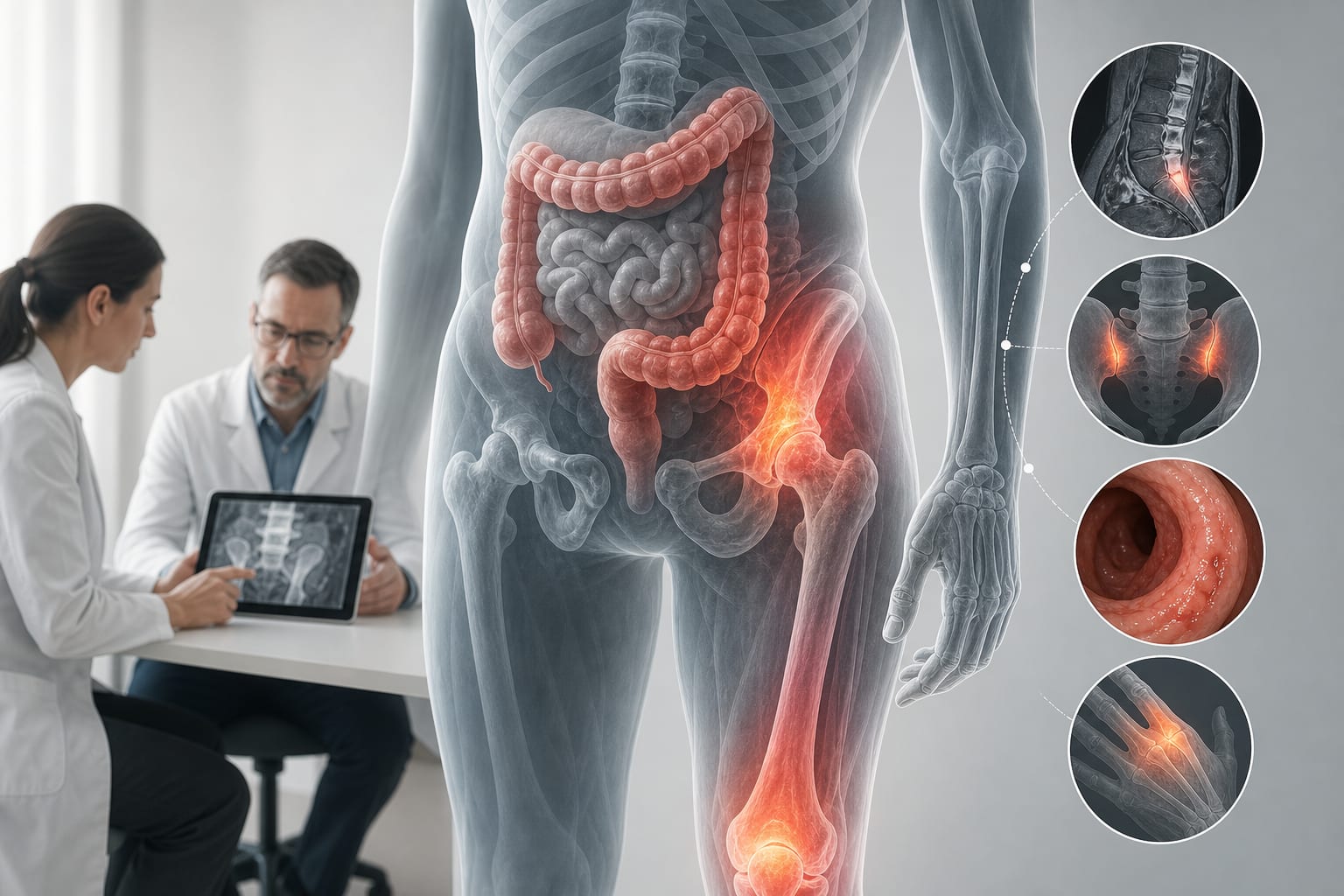
To explore the specific roles of lipid metabolism and creeping fat in assessing and predicting outcomes in Crohn's Disease.
Key Findings:
Creeping fat (CF) is a characteristic pathological change in Crohn's Disease, contributing to intestinal inflammation and fibrosis.
Dyslipidemia during the active phase of Crohn's Disease correlates closely with the severity of systemic inflammation.
Current imaging techniques can assess CF, aiding in predicting surgical risks and postoperative recurrence.
Interpretation:
The study suggests that lipid levels and creeping fat may serve as valuable biomarkers for assessing and predicting Crohn's Disease activity, potentially guiding clinical decisions.
Limitations:
Traditional assessment methods for Crohn's Disease, such as endoscopy, are invasive and may not accurately reflect disease activity, which can lead to mismanagement.
Patient-reported symptoms may not align with objective inflammatory changes, causing delays in necessary interventions.
Conclusion:
Future research should focus on the practical application of lipid levels and creeping fat in the assessment and prediction of Crohn's Disease activity, including clinical trials and longitudinal studies.