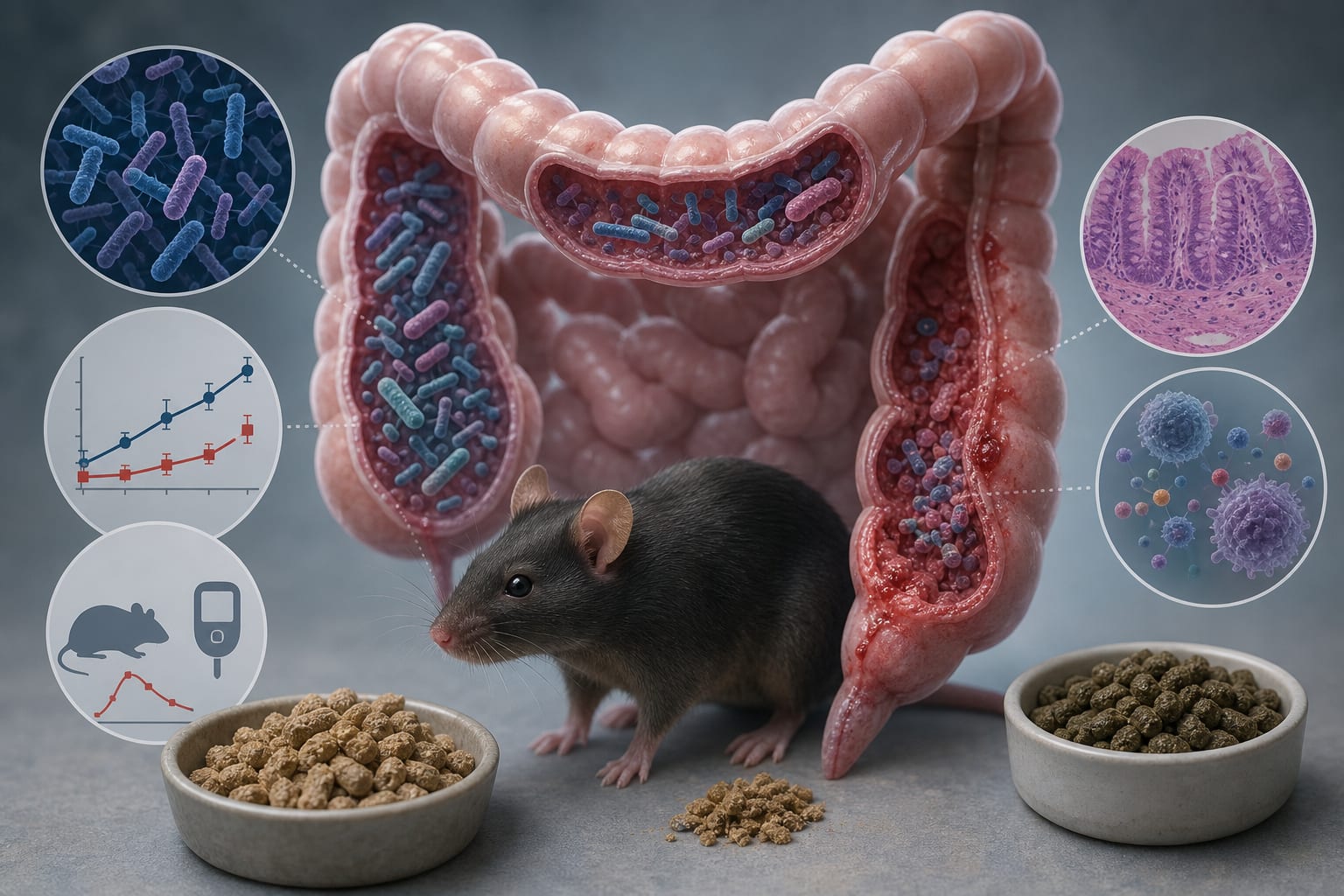
To investigate the effects of a sucrose-free low-fat diet (SF-LFD) compared to a sucrose-containing low-fat control diet (C-LFD) on metabolic health in mice.
Approach:
Study Design: Mice were divided into two groups and fed either SF-LFD or C-LFD for 16 weeks, followed by assessments of metabolic health and gut microbiome analysis.
Metabolic Assessments: Oral glucose tolerance tests (OGTT) and insulin tolerance tests (ITT) were performed to evaluate glucose metabolism and insulin sensitivity.
Microbiome Analysis: 16S rRNA sequencing was conducted to analyze gut microbial diversity and composition.
Histological Analysis: Colonic and liver tissues were examined for inflammation and structural changes.
Key Findings:
SF-LFD resulted in impaired glucose tolerance and reduced insulin sensitivity.
Alterations in circulating metabolic hormones were observed, including elevated C-peptide, incretins, ghrelin, and resistin, as well as reduced fasting insulin.
Gut microbiome analysis showed significant disruption, with depletion of beneficial bacteria and enrichment of inflammatory-associated taxa.
Colonic inflammation was characterized by crypt disruption, loss of goblet cells, and increased immune cell infiltration.
Hepatic inflammation and microvesicular steatosis were induced by SF-LFD.
Interpretation:
The elimination of sucrose from a low-fat diet disrupts gut microbiota and promotes inflammation in both gut and liver.
Limitations:
The study was conducted in murine models, which may not fully replicate human metabolic responses.
The sample size was limited to 6 mice per group.
Conclusion:
Sucrose exclusion from a low-fat diet may contribute to metabolic dysfunction through gut microbiome disruption and inflammation.
Manufacturers would be required to notify the FDA of GRAS determinations under a proposed rule, while HHS and USDA also submitted the first proposed federal definition of ultra-processed foods for final review.