To highlight the significant diagnostic challenges posed by hepatic parasitic infections that can mimic malignancies on imaging studies.
Key Findings:
Imaging features of focal hepatic parasitic disease can overlap with those of hepatic malignancies, complicating diagnosis.
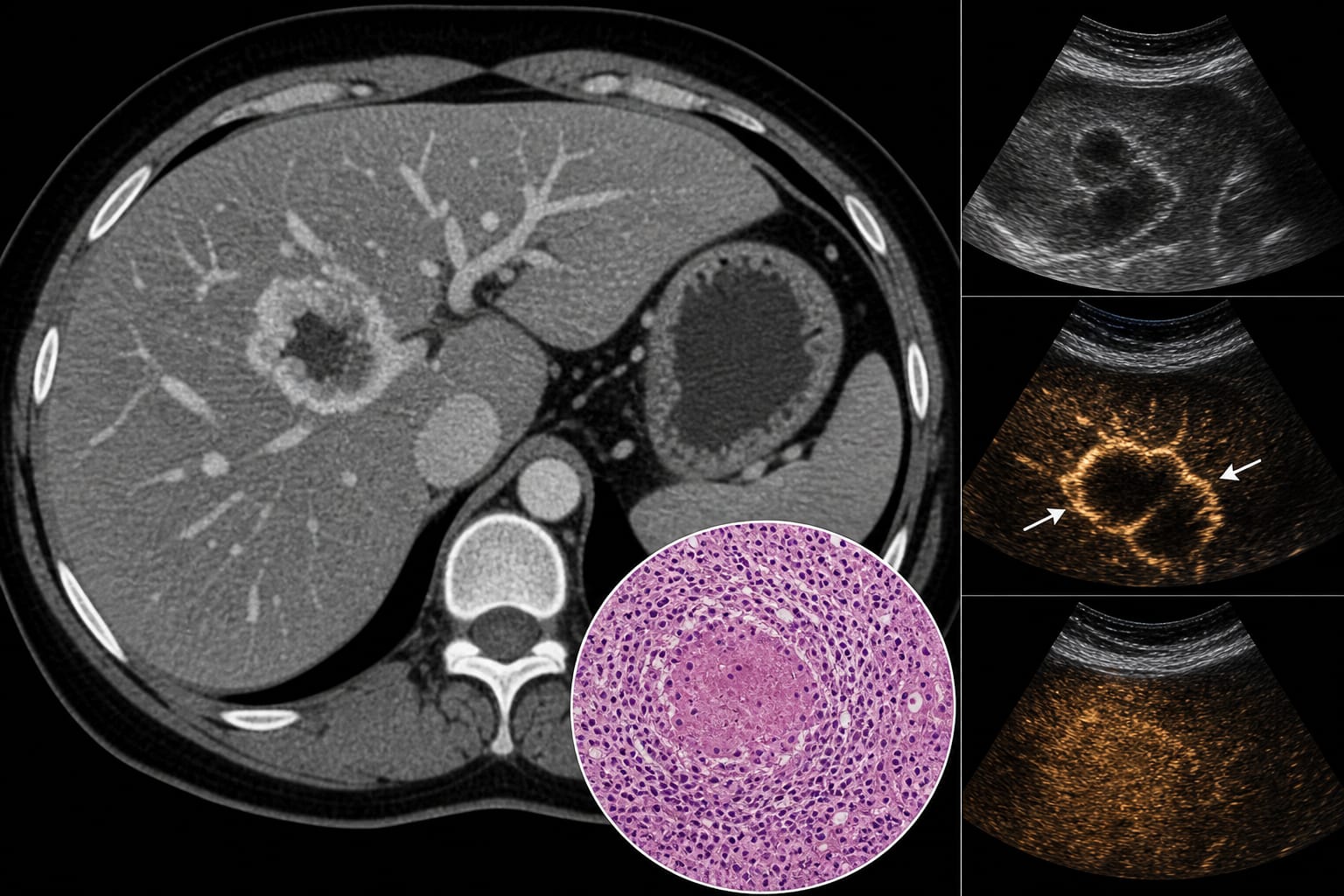
Initial CT findings were suspicious for intrahepatic cholangiocarcinoma, but serological tumor markers were normal, indicating a need for further investigation.
Histopathological examination confirmed necrotizing granulomatous inflammation, leading to a diagnosis of focal hepatic schistosomiasis, despite no schistosome eggs being identified.
Interpretation:
The case emphasizes the importance of considering atypical parasitic infections in the differential diagnosis of hepatic lesions, especially when imaging and serological findings are discordant, highlighting the need for thorough clinical evaluation.
Limitations:
The definitive diagnosis relied on histopathological findings, which may not be available in all clinical settings, potentially leading to misdiagnosis.
The case is based on a single patient, limiting generalizability and the ability to draw broader conclusions.
Conclusion:
Broadening the differential diagnosis to include atypical parasitic infections is crucial to avoid misdiagnosis and ensure appropriate treatment, underscoring the importance of interdisciplinary collaboration in clinical practice.