To evaluate the effects of high-dose oral vitamin D on chemotherapy- and radiation-associated skin toxic effects.
Approach:
Study Design: Retrospective multicenter case series involving 33 patients treated by oncodermatologists at 3 academic medical centers.
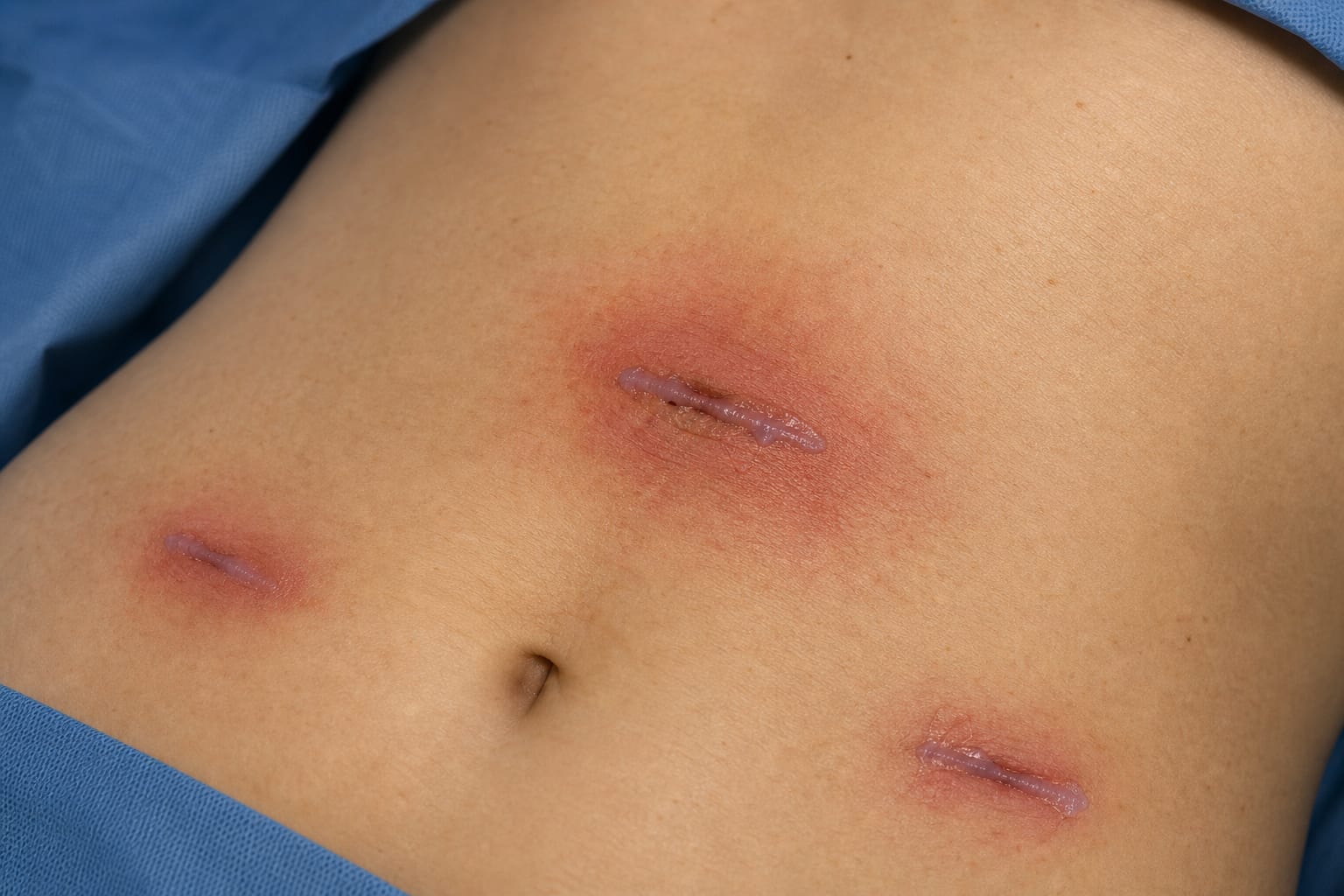
Patient Demographics: Mean age of 60.9 years; 58% female; 85% with toxic erythema of chemotherapy (TEC) and 15% with acute radiation dermatitis (ARD).
Intervention: Patients received 1 or 2 oral doses of 100,000 IU of cholecalciferol or ergocalciferol.
Outcomes Measured: Primary outcomes included time to symptom relief and clinician-assessed improvement in erythema; secondary outcomes included serum calcium changes and continuity of anticancer therapy.
Key Findings:
87% of patients reported subjective symptom relief within 10 days.
77% had clinician-assessed improvement in erythema.
Median time to improvement was 5 days overall and 3 days for inpatients.
Mean erythema scores decreased significantly from 4.36 at baseline to 2.21 by day 10.
73% of patients continued anticancer therapy without interruption.
Interpretation:
The uncontrolled design and concomitant therapies limit attributing improvements solely to vitamin D.
Limitations:
Retrospective design without a placebo or control group.
Variable follow-up and potential selection bias.
Incomplete laboratory data and use of a nonvalidated erythema scale.
Limited number of patients with ARD.
Conclusion:
Further prospective controlled trials are needed to establish the efficacy, safety, and optimal dosing of high-dose vitamin D for treating skin toxic effects from cancer therapies.
Federal prosecutors allege that a Florida physician and research staff fabricated clinical trial records that were submitted into database systems used to evaluate investigational drugs.