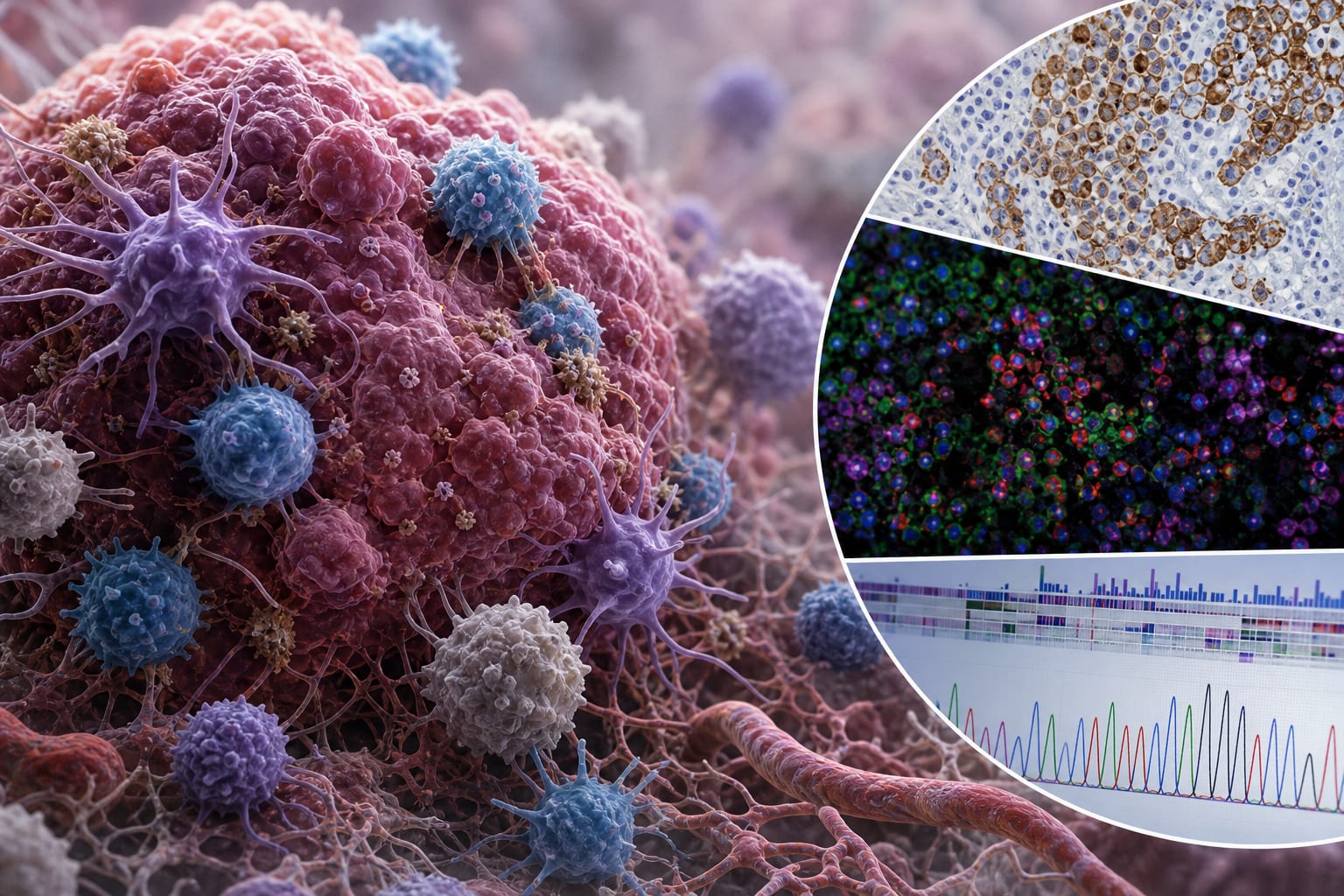
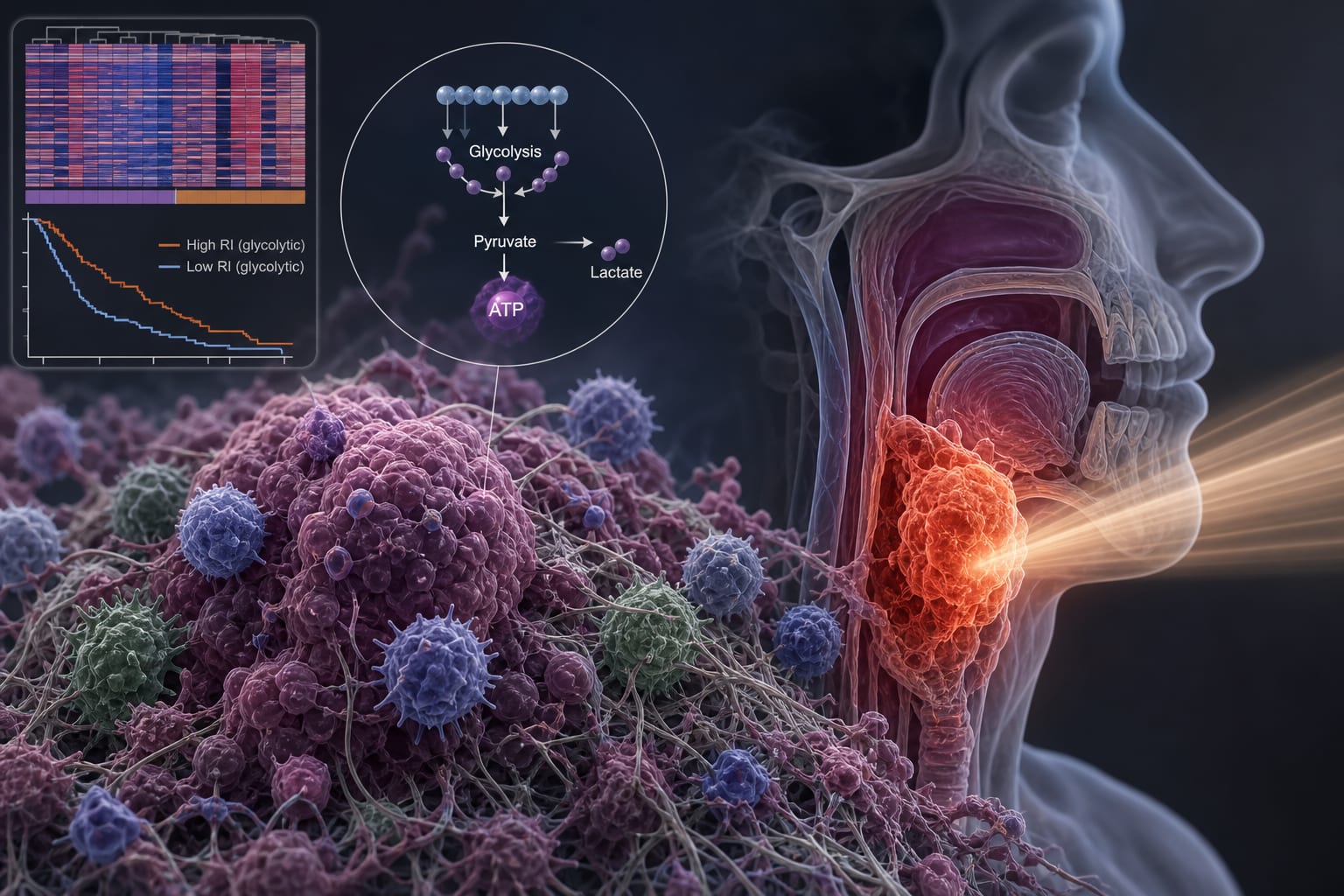
To investigate whether quantitative parameters from dual-energy computed tomography (DECT) and perfusion computed tomography (PCT) can predict complete response (CR) 12 months after chemoradiotherapy (CRT) in head and neck cancer (HNC) patients, emphasizing the exploratory nature of the study.
Key Findings:
CR patients (n=26) showed significantly higher BF and BV at 3 weeks (p<0.01).
CR patients had longer mean transit time (MTT) at 3 months (p<0.03) and lower CMA at 3 months (p<0.03) compared to NCR patients (n=10).
In the HPV-positive subgroup, CR patients had higher BF and BV than NCR patients (p<0.02).
Delta analysis revealed no significant differences except for ΔCMA (3W–0), which was lower in HPV-negative patients (p<0.04).
Interpretation:
DECT and PCT QPs may serve as potential imaging biomarkers for predicting treatment response in HNC, particularly at early stages, with implications for clinical practice, but require further validation.
Limitations:
The study is exploratory and involves a small sample size, which may introduce biases.
Findings need validation in larger, dedicated prospective studies.
Conclusion:
DECT and PCT QPs showed potential associations with treatment response in HNC, warranting further investigation before clinical application, emphasizing the necessity for additional studies.