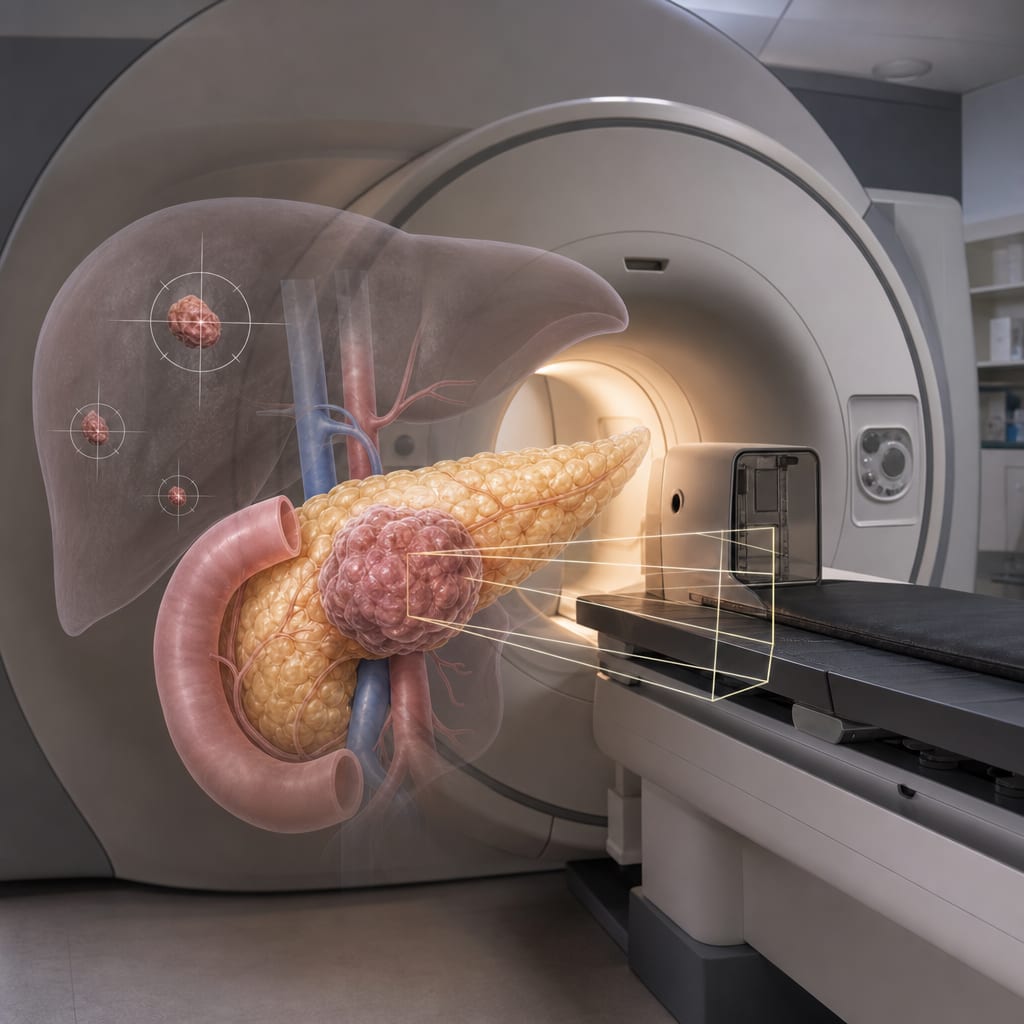
To explore longitudinal changes of frailty among patients with metastatic spine disease undergoing stereotactic body radiation therapy and identify factors influencing its progression, emphasizing the significance of these factors.
Key Findings:
Frailty is a significant predictor of adverse outcomes in metastatic spine disease, including increased mortality and complications.
The MSTFI-7 effectively captures frailty dynamics over time.
Patient mortality impacts the cohort size and frailty assessment over time.
Interpretation:
Frailty assessments can guide surgical treatment decisions and improve patient management in metastatic spine disease, highlighting the need for targeted interventions.
Limitations:
Retrospective design may introduce bias, and incomplete data for some patients could affect the reliability of frailty assessments.
Conclusion:
Understanding frailty dynamics in metastatic spine disease patients is crucial for improving treatment outcomes and patient care, reinforcing the need for routine frailty assessments.
by Oludotun Ogunsola, Edward S. Harake, Sean Smith, Michael Albdewi, Varun Kathawate, Sebele Ogunsola, William Jackson, Joseph Evans, Vikram Chakravarthy, Nicholas Szerlip
The rising incidence and mortality of early-onset colorectal cancer (EOCRC), defined as disease occurring in patients younger than 50, has emerged as a clinically significant trend with implications for screening, diagnosis, and survivorship.