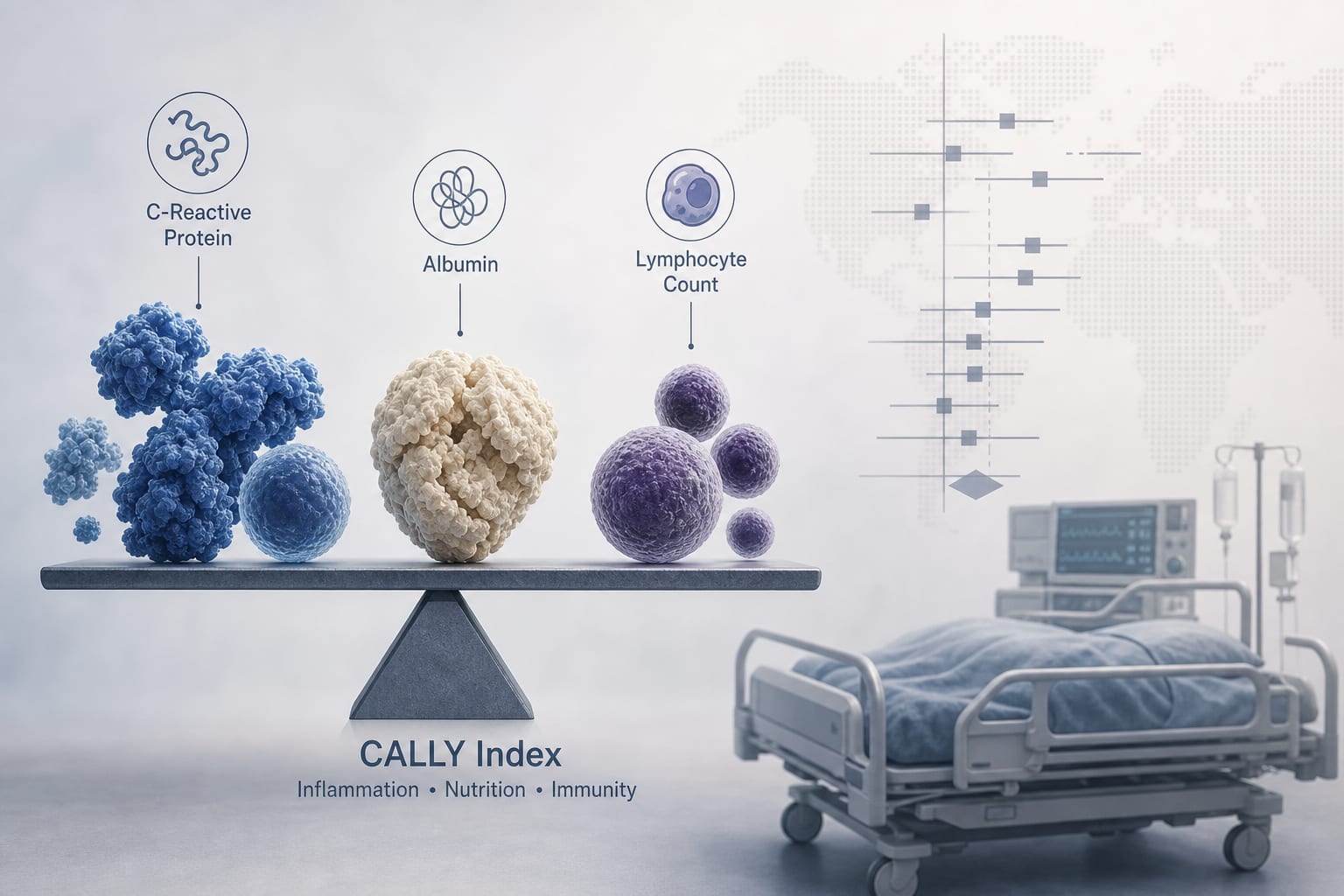
To systematically map and synthesize current evidence on the role of testosterone as a potential modulator of the immunometabolic response in sepsis.
Key Findings:
Thirteen studies met the inclusion criteria.
Lower testosterone levels were reported in patients with higher disease severity and in non-survivors compared to survivors.
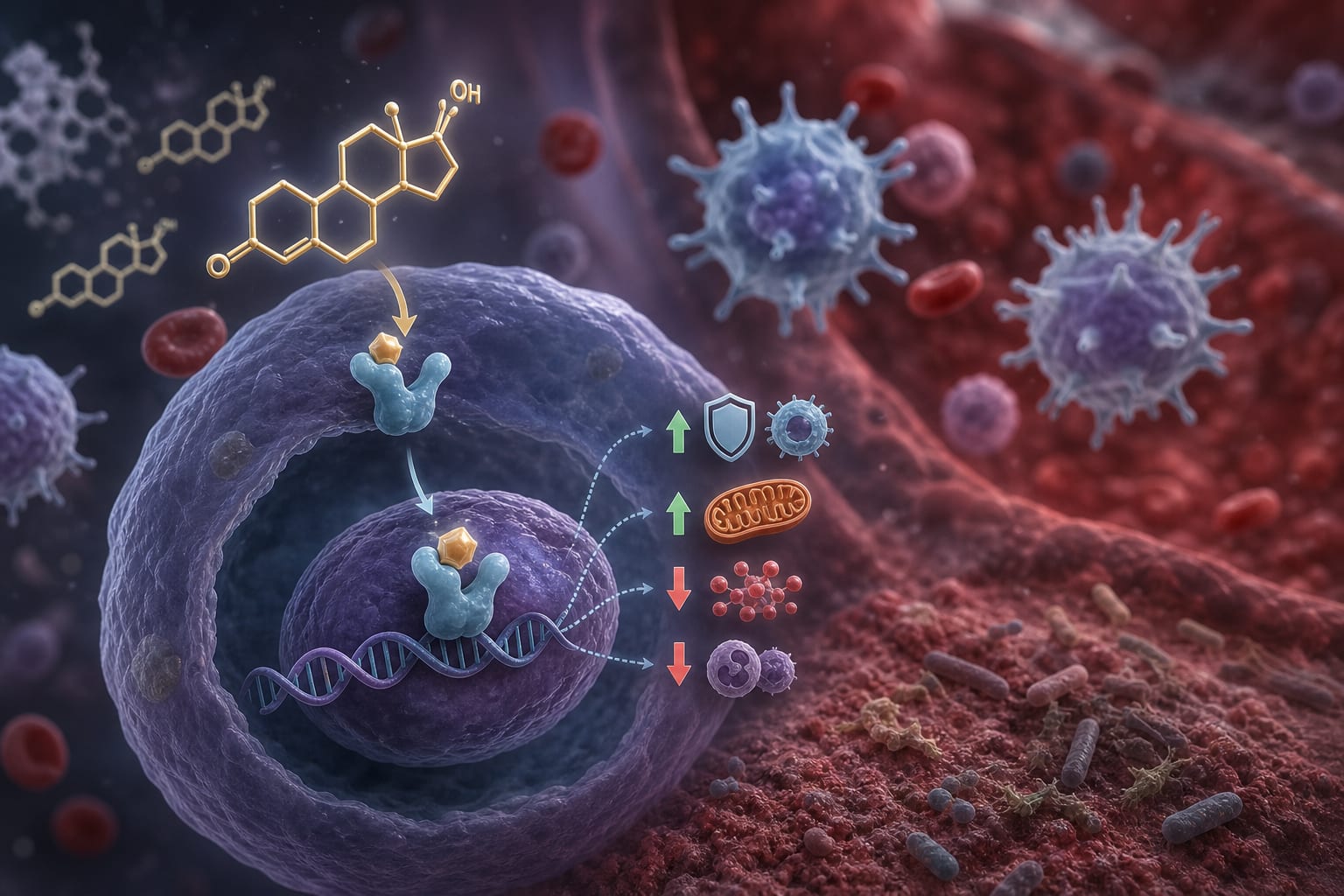
The androgen receptor pathway regulates cytokine production and immune cell metabolism.
Testosterone supplementation showed changes in metabolic and clinical parameters but no significant improvement in survival.
Interpretation:
Testosterone and the androgen receptor pathway may contribute to immunometabolic dysregulation in sepsis, with deficiency linked to increased severity and mortality.
Limitations:
Current evidence does not support routine androgen therapy.
Further studies are needed to explore sex-specific analyses and baseline hormonal status.
Conclusion:
Further well-designed translational and clinical studies are required to enable personalized hormonal interventions in sepsis.