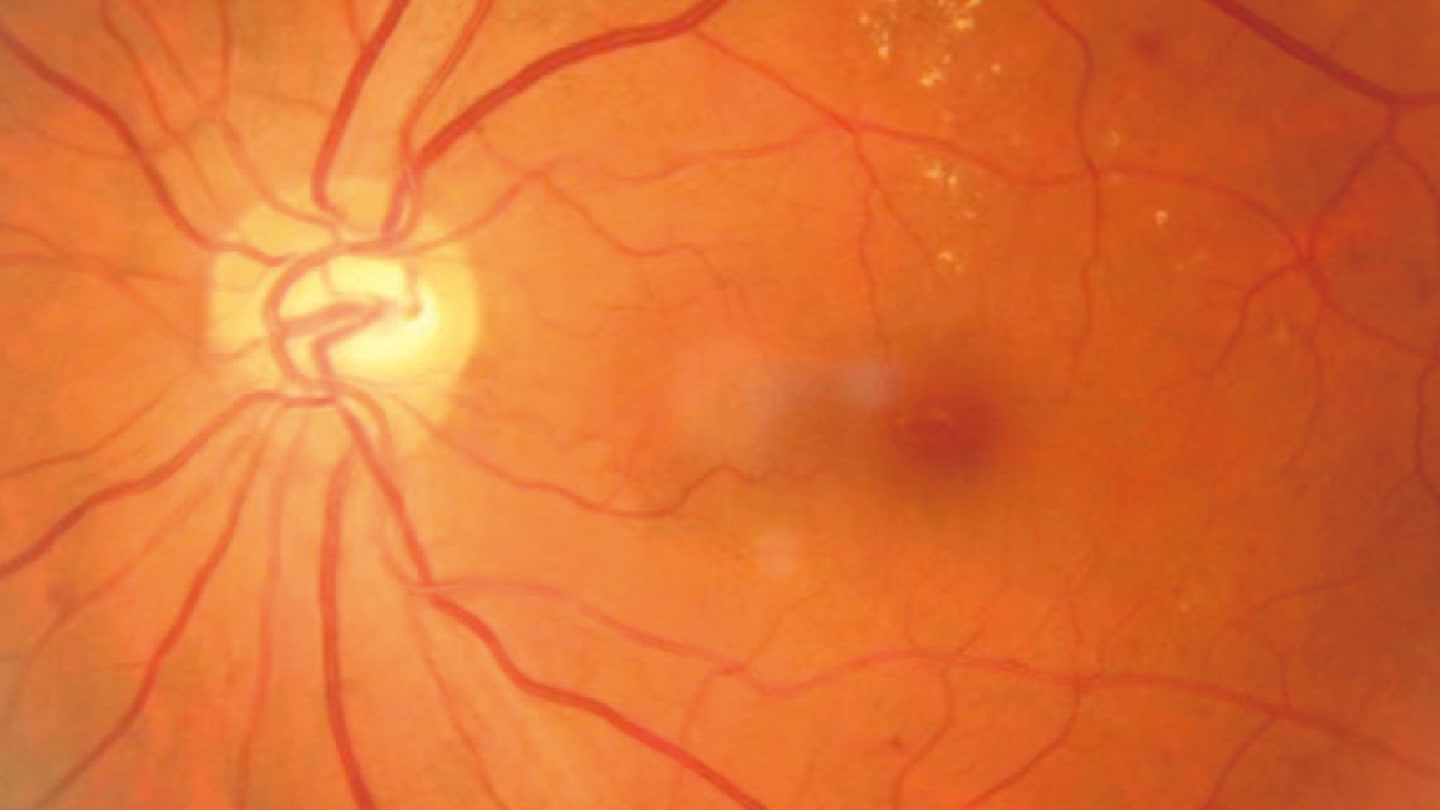
To synthesize preclinical evidence on resveratrol's potential role as a multi-target modulator in early diabetic retinopathy (DR).
Key Findings:
Resveratrol influences mitochondrial health, inflammatory signaling, and neuroglial behavior before vascular pathology develops, activating SIRT1-dependent pathways and inhibiting NF-κB and HMGB1 signaling.
It protects the blood-retinal barrier and reduces vascular leakage by preserving endothelial junctional proteins.
Interpretation:
Resveratrol may offer a novel approach to modifying early DR through upstream interventions targeting inflammation and mitochondrial dysfunction, distinct from current anti-VEGF therapies.
Limitations:
All evidence is preclinical; clinical applicability remains unproven. Further human trials are necessary.
Challenges include poor oral bioavailability, optimal dosing, and retinal delivery.
Conclusion:
While resveratrol is not ready for clinical use in DR, it highlights the need for multitarget interventions addressing neuroinflammation and mitochondrial stress in early disease management, pending further research.