-
1
A new nomogram-based tool predicts retinopathy risk using clinical data from a multi-ethnic cohort of 2,447 adults without retinopathy at baseline.
-
2
Over a mean follow-up of just over three years, 5.9% of participants developed retinopathy, indicating risk extends beyond traditional diabetic populations.
-
3
The combination model achieved better discrimination (AUC 0.75) compared to the baseline model (AUC 0.64), improving sensitivity and specificity.
-
4
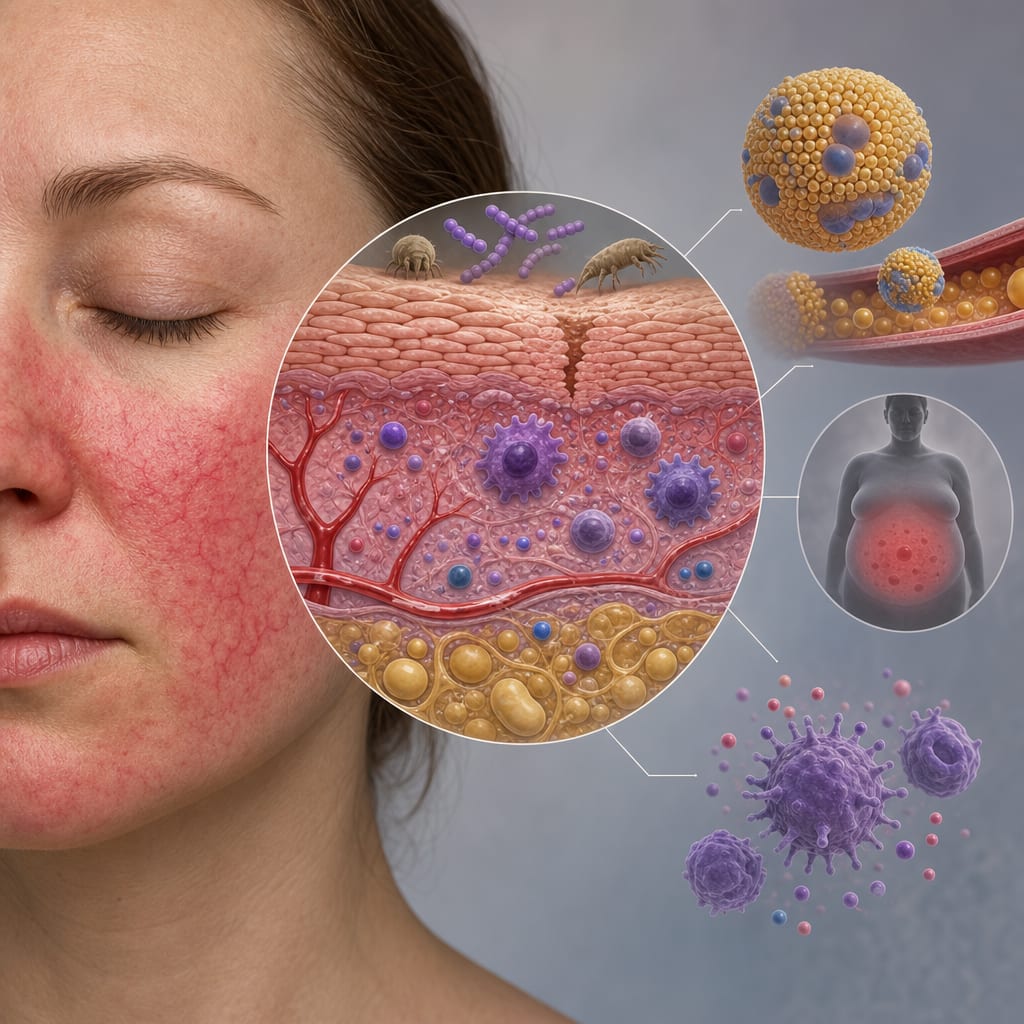
Key predictors of retinopathy included body mass index, waist-to-hip ratio, triglyceride levels, blood pressure, and hypertension history.
-
5
The study highlights ethnic variations in retinopathy incidence, suggesting the need for tailored screening approaches in diverse populations.
This content is an AI-generated, fully rewritten summary based on a published scholarly article. It does not reproduce the original text and is not a substitute for the original publication. Readers are encouraged to consult the source for full context, data, and methodology.