Gastrointestinal acute graft versus host disease: a translational perspective from pathogenesis to precision prevention and treatment - Takeaways - MDSpire

Gastrointestinal acute graft versus host disease: a translational perspective from pathogenesis to precision prevention and treatment

  • By

  • Zhengwei Tan

  • Jinyu Hu

  • Baodong Ye

  • Wenbin Liu

  • July 16, 2026

Share

  • 1

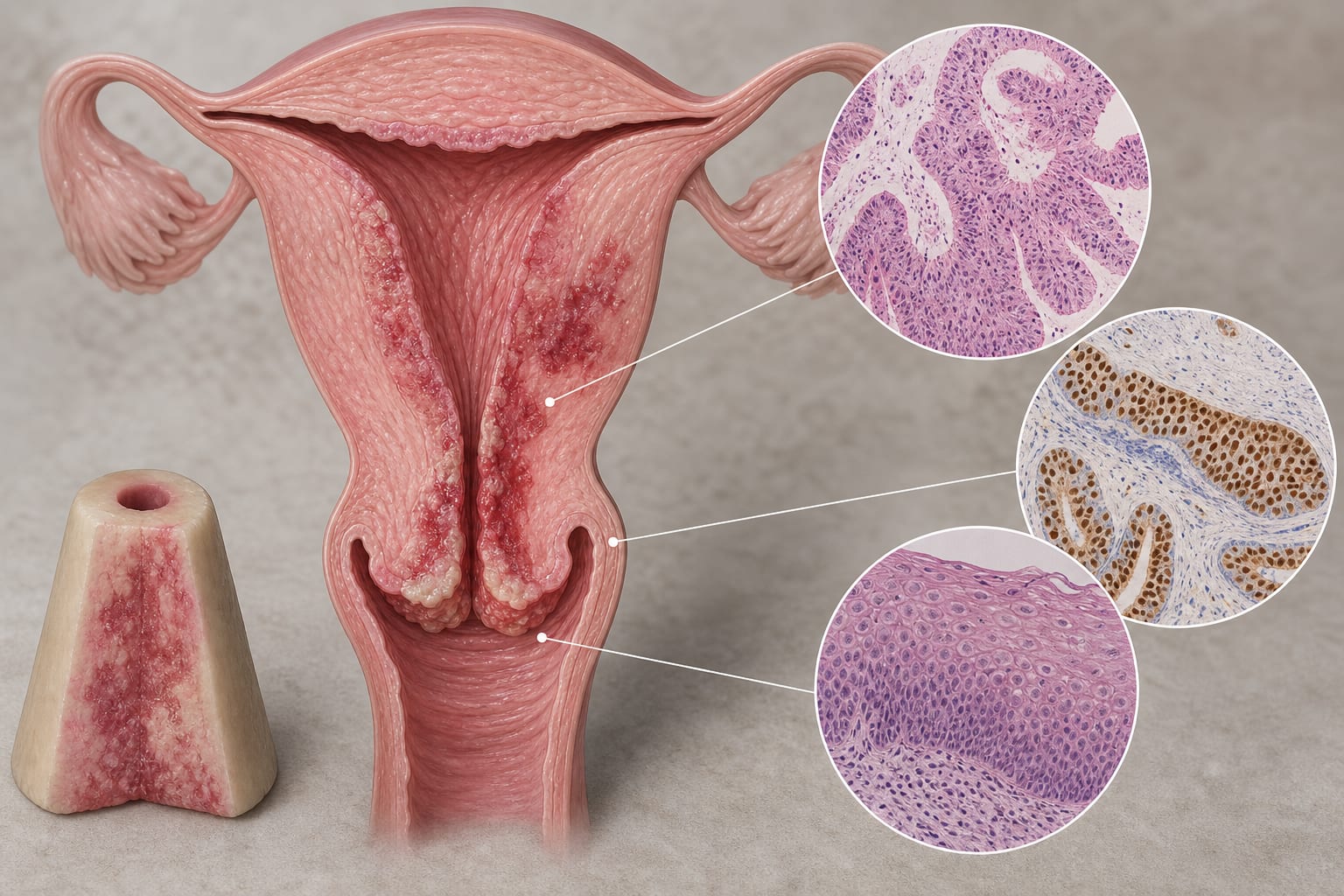
    Acute graft-versus-host disease (aGVHD) is a leading cause of non-relapse mortality after allo-HSCT, particularly affecting the gastrointestinal tract.

  • 2

    Recent studies highlight the role of microbiota dysbiosis in aGVHD pathogenesis, linking reduced microbial diversity to disease severity.

  • 3

    The MAGIC algorithm enables biomarker-driven risk stratification, improving predictions of non-relapse mortality in aGVHD patients.

  • 4

    Emerging therapies such as ruxolitinib, vedolizumab, and fecal microbiota transplantation are transforming treatment strategies for GI-aGVHD.

  • 5

    Innovative interventions targeting microbiota and immune modulation are essential for preventing and treating gastrointestinal aGVHD.

Original Source(s)

Related Content