-
1
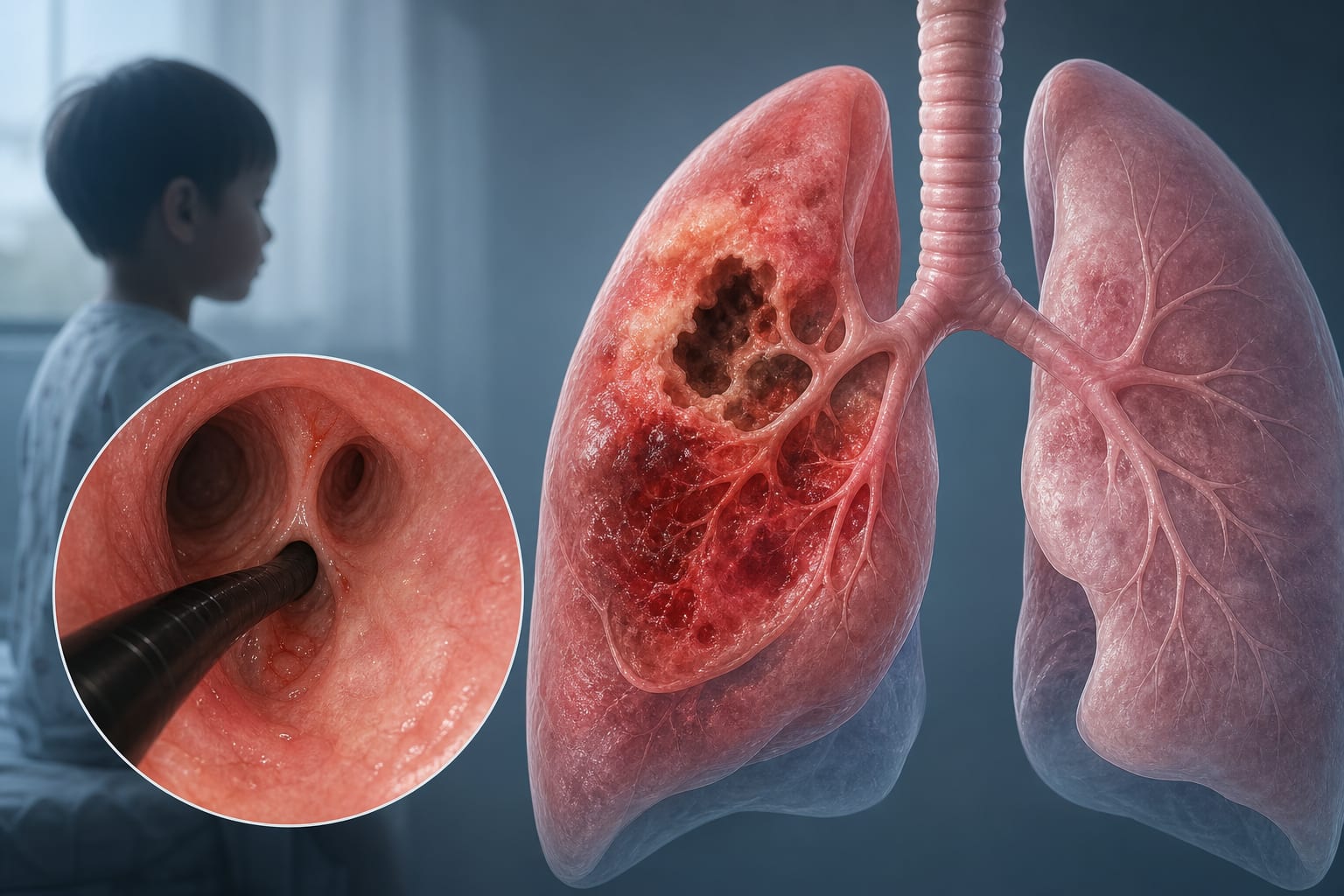
The study identified clinical risk factors for necrotizing pneumonia (NP) in children with severe pneumonia through a retrospective case-control analysis.
-
2
Chest pain, elevated white blood cell count, and increased fibrin degradation products were found to be independent risk factors for NP.
-
3
The predictive model combining chest pain, WBC, and FDPs demonstrated high performance with an AUC of 0.941, sensitivity, and specificity of 87.88%.
-
4
Children with NP often experience severe symptoms, prolonged hospitalization, and complications such as empyema and respiratory failure.
-
5
The study emphasizes the need for early identification and risk stratification tools to improve clinical management of NP in pediatric patients.