Management of Clostridioides difficile infections in patients with hematological malignancies – a survey by European Conference on Infections in Leukemia (ECIL) and Infectious Diseases Working Party (IDWP) of The European Society for Blood and Marrow Transplantation (EBMT). - Takeaways - MDSpire
Coming Soon: Introducing MDSpire News. Learn more
Conexiant’s news site is now MDSpire News. Learn more

Approaches to Address Clostridioides difficile Infections in Hematological Malignancy Patients: Insights from the European Conference on Infections in Leukemia and the Infectious Diseases Working Party of the European Society for Blood and Marrow Transplantation.

  • By

  • Agnieszka Piekarska

  • Chiara Oltolini

  • Benjamin W. Teh

  • Christine Robin

  • Dionysios Neofytos

  • Elena Reigadas

  • Andreas H. Groll

  • Patricia Muñoz

  • Lidia Gil

  • Roy F. Chemaly

  • Malgorzata Mikulska

  • September 7, 2026

Share

  • 1

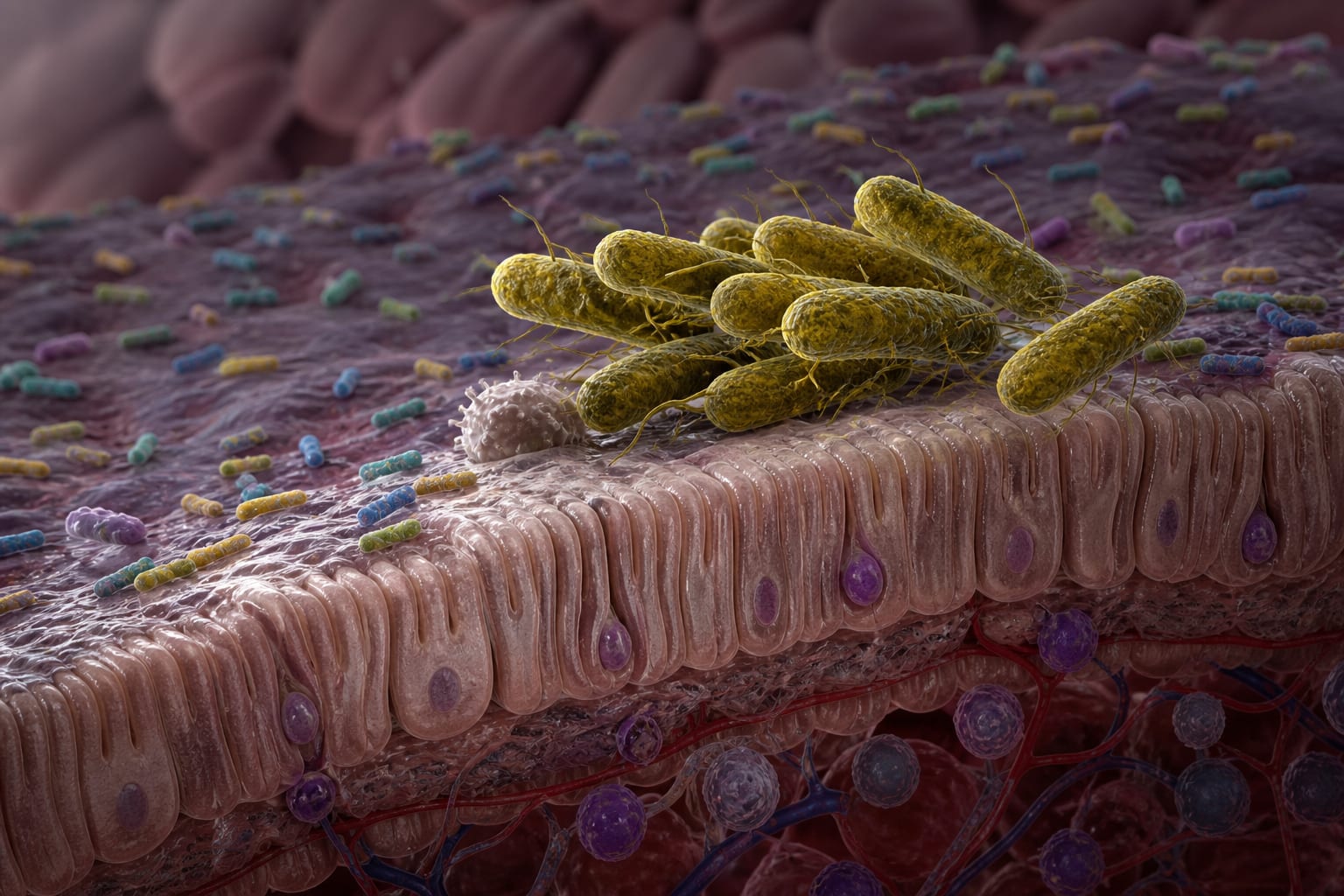
    Clostridioides difficile infection (CDI) is the leading cause of infectious diarrhea among hospitalized patients, and patients with hematological malignancies are particularly at risk.

  • 2

    The ECIL-10 group developed recommendations for CDI management in patients with hematological malignancies, preceded by an expert survey documenting current practices.

  • 3

    Among centers reporting adult CDI rates in patients with hematological malignancies, 46% reported rates of 5% to 10%; among pediatric centers, 82% reported rates of 5% to 10%.

  • 4

    Vancomycin was the most frequently reported first-line therapy for nonsevere CDI, while fidaxomicin was preferred for recurrent CDI.

  • 5

    For second or later recurrence, 31% of centers reported using fecal microbiota transplantation; 86% considered it useful in non-neutropenic patients, while 65% did not consider it safe during agranulocytosis.

Original Source(s)

Related Content