Endothelial barrier disorder in hereditary angioedema: molecular mechanisms and therapeutic implications - Takeaways - MDSpire

Endothelial barrier disorder in hereditary angioedema: molecular mechanisms and therapeutic implications

  • By

  • Nan Zhou

  • Jianqiang Wu

  • Yuxiang Zhi

  • June 1, 2026

  • 0 min

Share

  • 1

    Hereditary angioedema (HAE) is a rare genetic disorder characterized by recurrent episodes of vascular leakage and tissue swelling.

  • 2

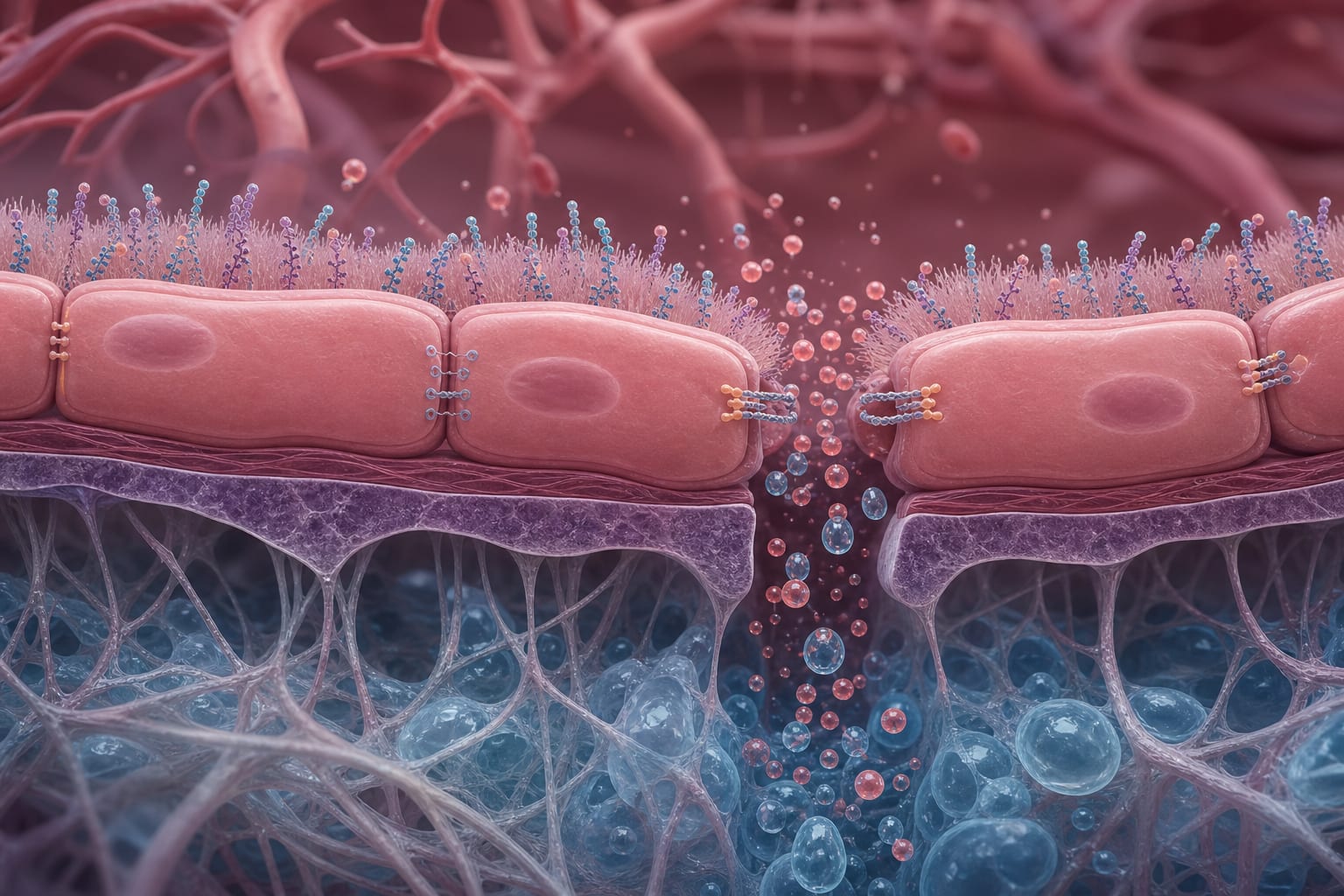
    Endothelial dysfunction plays a crucial role in HAE pathogenesis, influencing vascular permeability beyond just excessive bradykinin.

  • 3

    Recent findings suggest that endothelial cells actively regulate edema formation through alterations in intercellular junctions and the glycocalyx.

  • 4

    New HAE subtypes linked to endothelial regulatory pathways indicate that endothelial dysfunction may be a primary pathogenic mechanism.

  • 5

    This review proposes an integrated endothelial-centered framework for HAE, emphasizing its implications for biomarker discovery and treatment strategies.

Original Source(s)

Related Content