Novel advanced patient-derived in vitro models of pediatric movement disorders to develop personalized therapeutic strategies - Takeaways - MDSpire

Novel advanced patient-derived in vitro models of pediatric movement disorders to develop personalized therapeutic strategies

  • By

  • Scarlett Yeadon

  • Ainara Salazar-Villacorta

  • Manju A. Kurian

  • Serena Barral

  • June 17, 2026

  • 0 min

Share

  • 1

    Pediatric movement disorders (PMDs) are diverse neurodevelopmental conditions with limited disease-modifying therapies.

  • 2

    Traditional models for PMDs lack translational relevance, prompting the need for innovative patient-derived in vitro systems.

  • 3

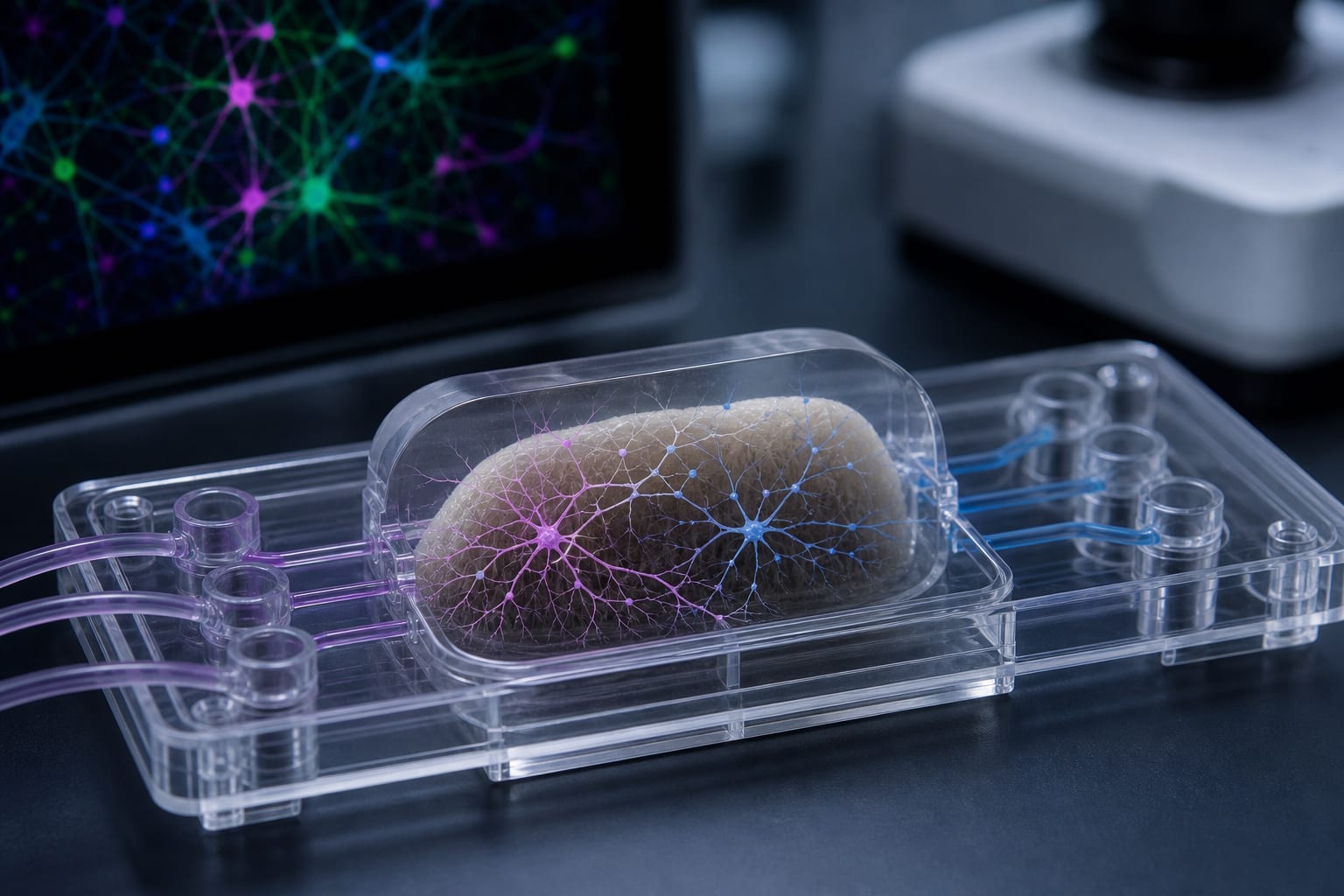
    Emerging models like organoids and microfluidic platforms enhance the study of PMDs by preserving patients' genetic backgrounds.

  • 4

    Challenges in developing personalized therapies for PMDs include genetic heterogeneity and delays in diagnosis and intervention.

  • 5

    Understanding PMDs is complicated by reduced penetrance and variable expressivity, affecting diagnosis and treatment strategies.

Original Source(s)

Related Content