-
1
Immune checkpoint inhibitors have improved outcomes in some malignancies, but durable benefits are limited due to immune-excluded and immune-suppressive tumor microenvironments.
-
2
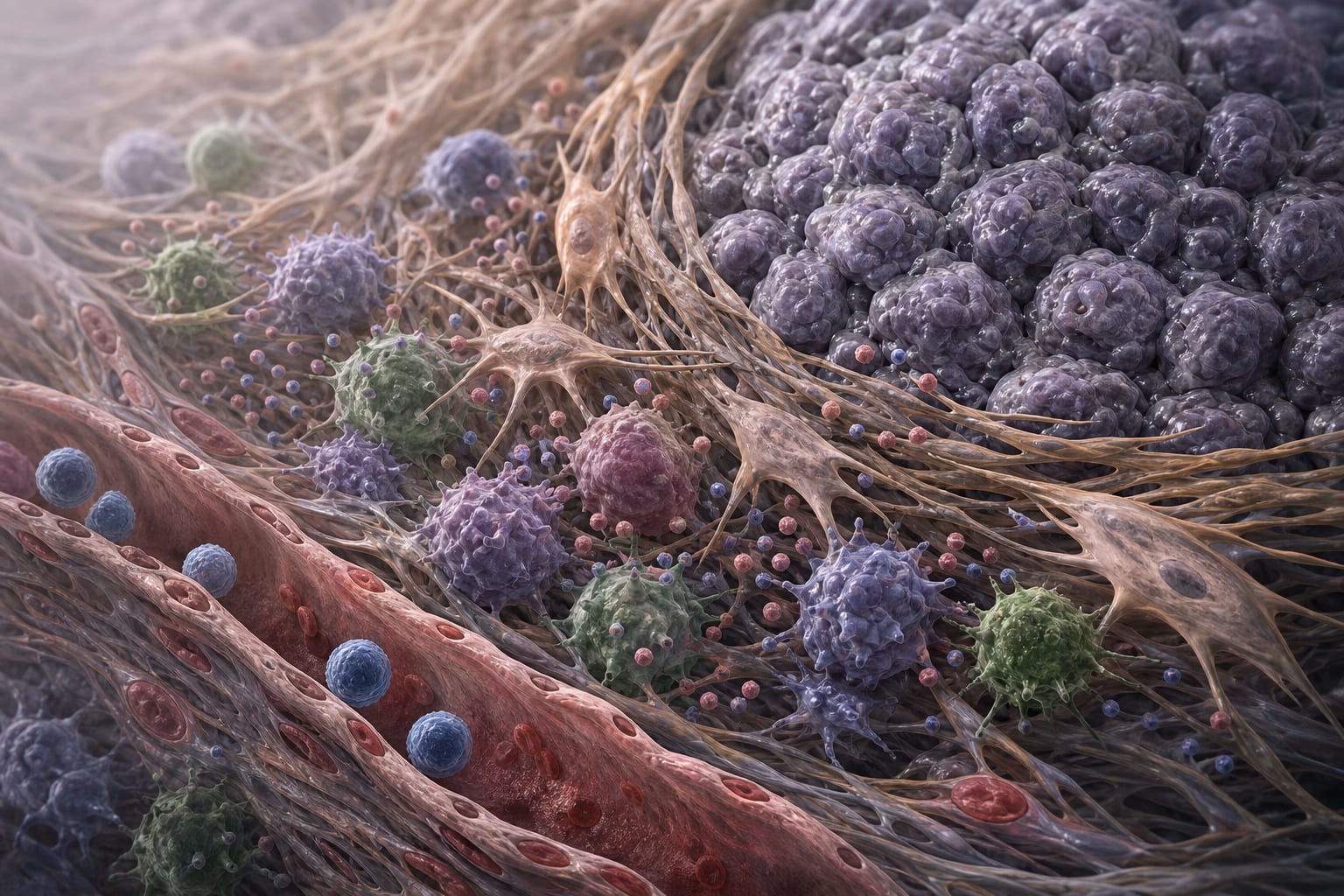
Resistant tumor microenvironments arise from complex interactions among stromal, myeloid, cytokine, vascular, and metabolic factors that hinder effective antitumor immunity.
-
3
Current evidence shows that immune-excluded and immune-suppressive TMEs are dynamic ecosystems that impair T-cell trafficking and effector function.
-
4
Emerging spatially resolved technologies can refine patient stratification by identifying resistance modules, although clinical validation is still needed.
-
5
Future strategies should integrate spatial biomarkers and combination therapies to convert resistant tumors into immunologically permissive environments.