Anticoagulation in Device-Detected Atrial Fibrillation—Uncertainty and Heterogeneity in Value - Takeaways - MDSpire

Anticoagulation in Device-Detected Atrial Fibrillation—Uncertainty and Heterogeneity in Value

  • By

  • Hanxuan Yu

  • Jinyi Zhu

  • June 8, 2026

  • 0 min

Share

  • 1

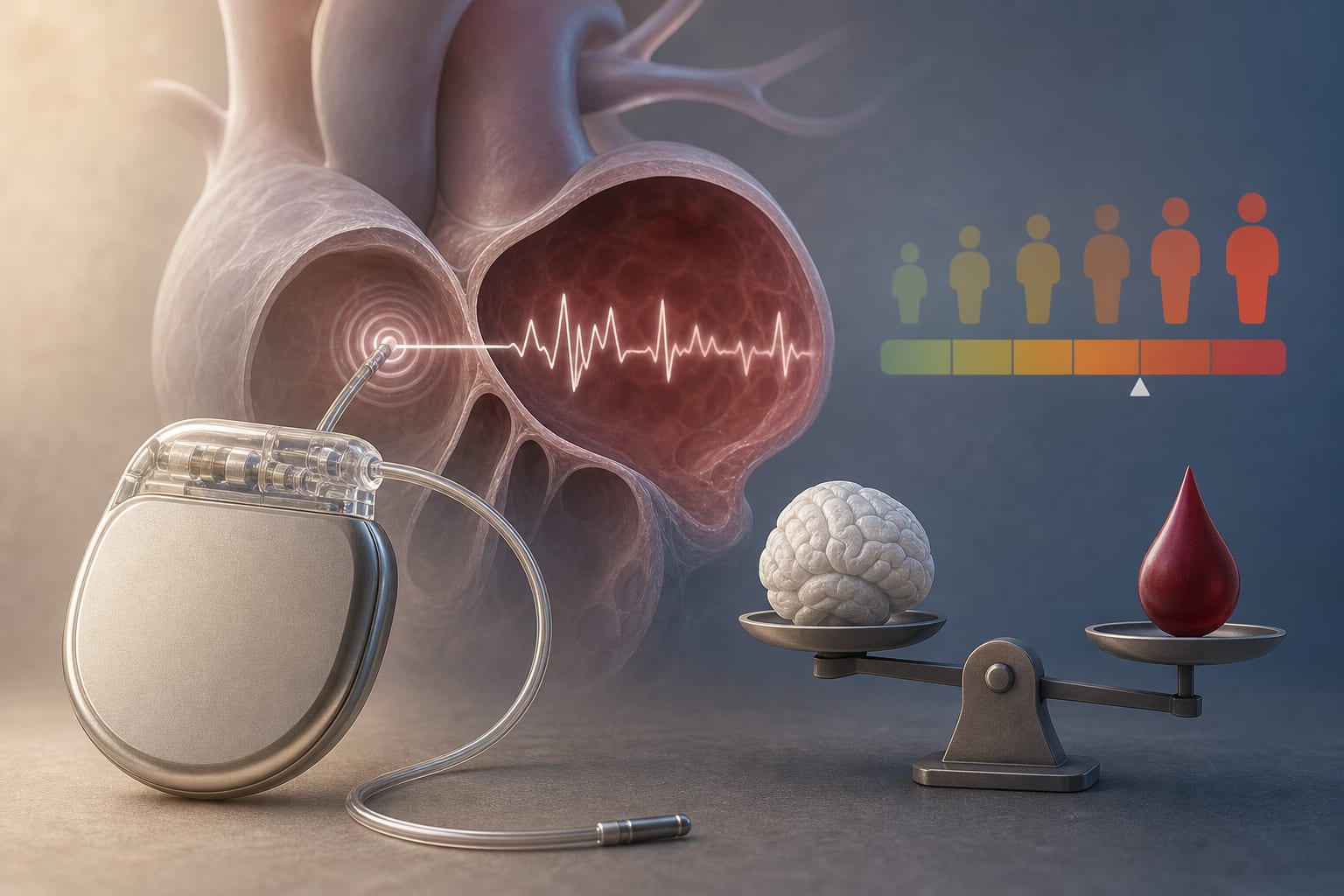
    Anticoagulation for subclinical, device-detected atrial fibrillation (AF) has been studied in randomized trials, revealing a trade-off between benefit and harm.

  • 2

    The ARTESiA and NOAH-AFNET 6 trials showed a 32% reduction in ischemic stroke risk with direct oral anticoagulants (DOACs) but increased major bleeding risk.

  • 3

    The 2024 European Society of Cardiology guidelines recommend considering DOACs for selected patients with high stroke risk and no major bleeding risk factors.

  • 4

    A cost-effectiveness analysis indicated that routine anticoagulation for all patients with device-detected AF is unlikely to represent high-value care.

  • 5

    Further risk stratification is needed, as patients with higher CHA2DS2-VASc scores may benefit more from DOAC therapy compared to those with lower scores.

Original Source(s)

Related Content