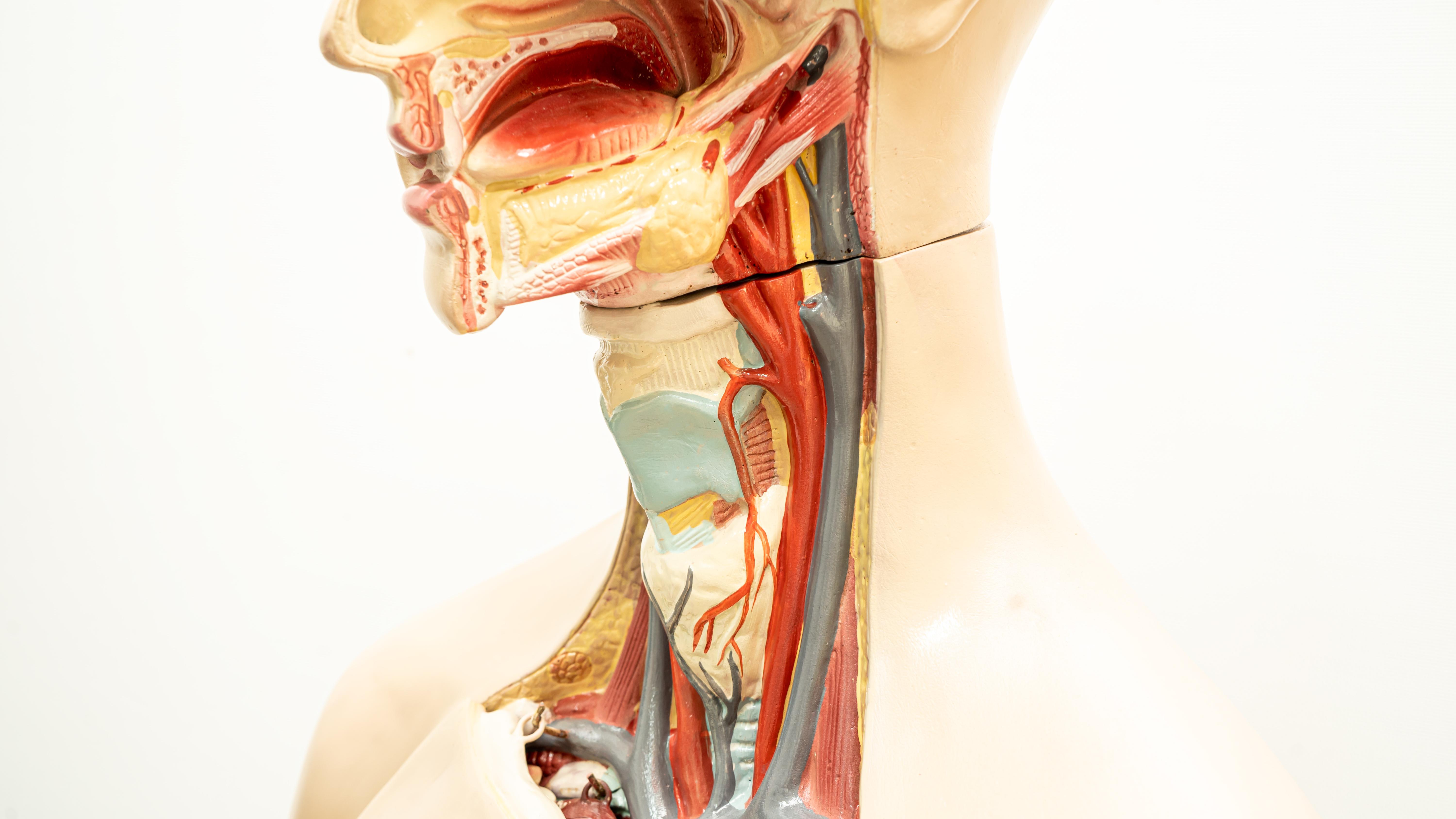
Single-port robotic surgery enhances access to hard-to-reach head and neck tumors, improving treatment options for cancers like hypopharyngeal and laryngeal.
2
The technology features a flexible 3D HD camera that improves visualization angles, aiding surgeons in navigating complex anatomical structures.
3
Single-port robotic surgery reduces instrument collisions, enhancing surgical precision and potentially leading to shorter operating times.
4
Robotic surgery has shown favorable outcomes in swallow function and cancer cure rates, comparable to traditional chemoradiation treatments.
5
Despite advancements, challenges remain in controlling bleeding and accessing certain tumors, highlighting the need for continued innovation in surgical technology.