Integrating chemokine signatures and multi-omic biomarkers to predict immunotherapy response in non-small cell lung cancer: a comprehensive narrative review - Takeaways - MDSpire

Integrating chemokine signatures and multi-omic biomarkers to predict immunotherapy response in non-small cell lung cancer: a comprehensive narrative review

  • By

  • Luis Cabezón-Gutiérrez

  • Magda Palka-Kotlowska

  • Sara Custodio-Cabello

  • Adriana Carolina Rosero-Rodriguez

  • Beatriz Chacón-Ovejero

  • July 2, 2026

  • 0 min

Share

  • 1

    Non-small cell lung cancer (NSCLC) is the leading cause of cancer-related mortality, with only 20–30% of patients benefiting from immune checkpoint inhibitors.

  • 2

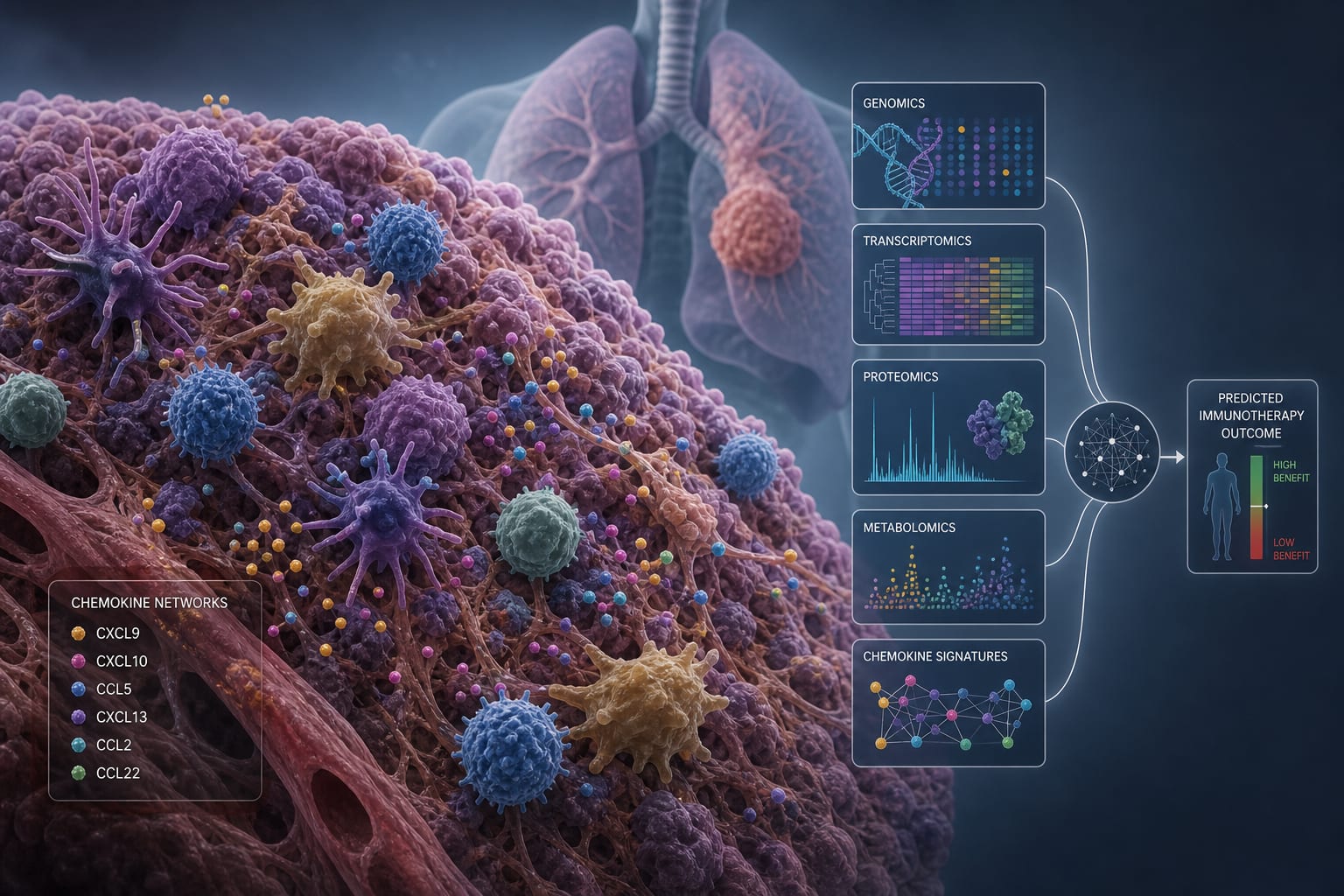
    Tumor-derived chemokines can serve as biomarkers for immunotherapy response, with pro-inflammatory chemokines linked to favorable outcomes.

  • 3

    Multi-omic integration of genomic, transcriptomic, proteomic, and metabolomic data provides robust predictive models for immunotherapy outcomes.

  • 4

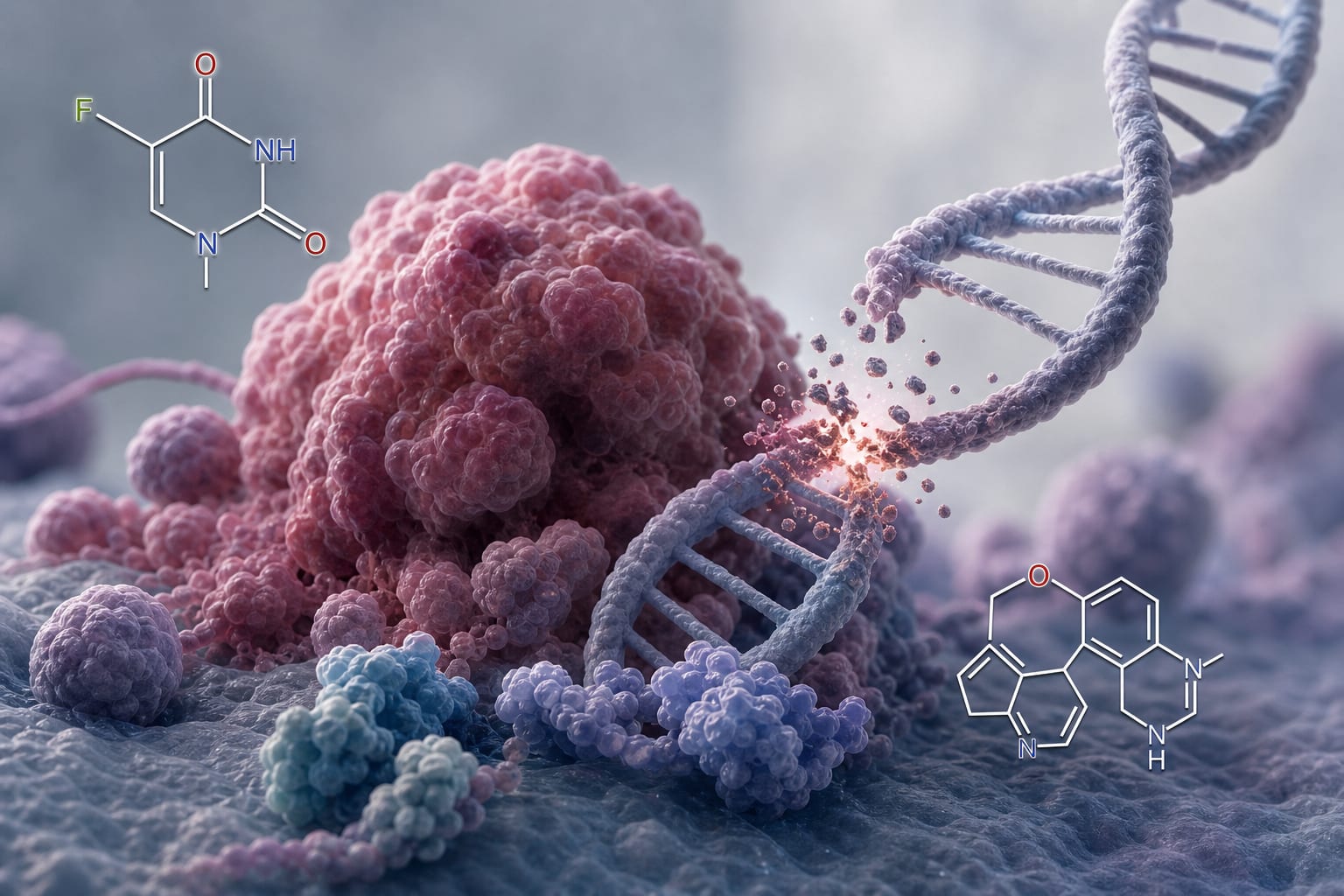
    Specific genetic alterations in NSCLC tumors can influence the efficacy of checkpoint inhibitors, affecting patient responses to treatment.

  • 5

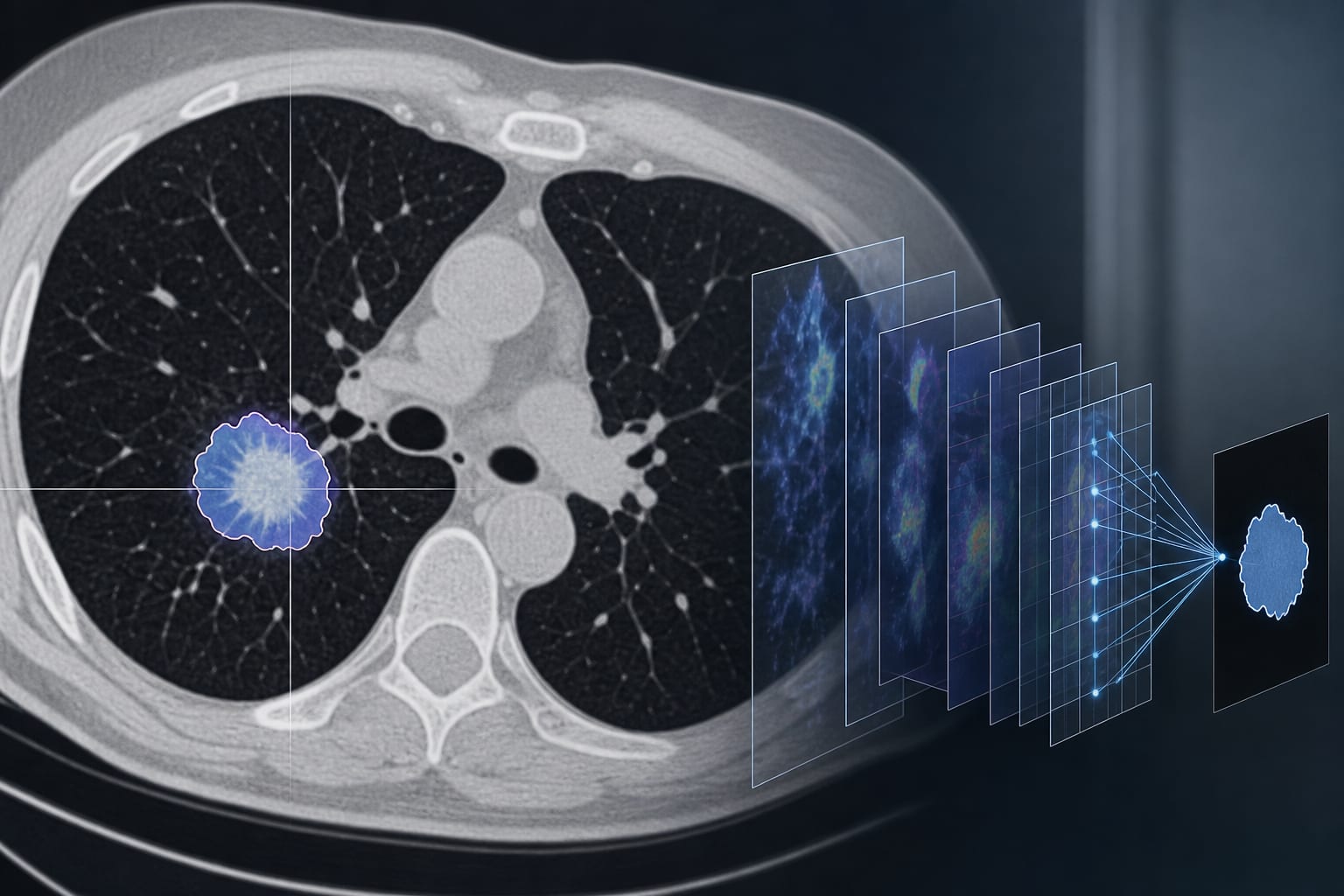
    Emerging composite biomarkers and machine learning models aim to enhance the accuracy of predicting immunotherapy benefits in NSCLC patients.

Original Source(s)

Related Content