Machine learning-enabled spatial multi-omics uncovers lactate-driven targets and tumor microenvironmental reprogramming in cancer - Takeaways - MDSpire

Machine learning-enabled spatial multi-omics uncovers lactate-driven targets and tumor microenvironmental reprogramming in cancer

  • By

  • Yingzheng Tan

  • Wenliang Tan

  • Yanchao Liang

  • Yunzhu Long

  • Shuanghua Chen

  • Qihao Hu

  • Yangjing Ou

  • Jingli Fu

  • Huan Chen

  • Fangyuan Ren

  • Jun Ye

  • Qing Zhou

  • Sheng Li

  • Xiaojin He

  • Qianqian Wang

  • Yueming Shen

  • Haiyuan Lu

  • Daichao Wu

  • Anbo Gao

  • Xun Chen

  • Yukun Li

  • December 30, 2025

  • 0 min

Share

  • 1

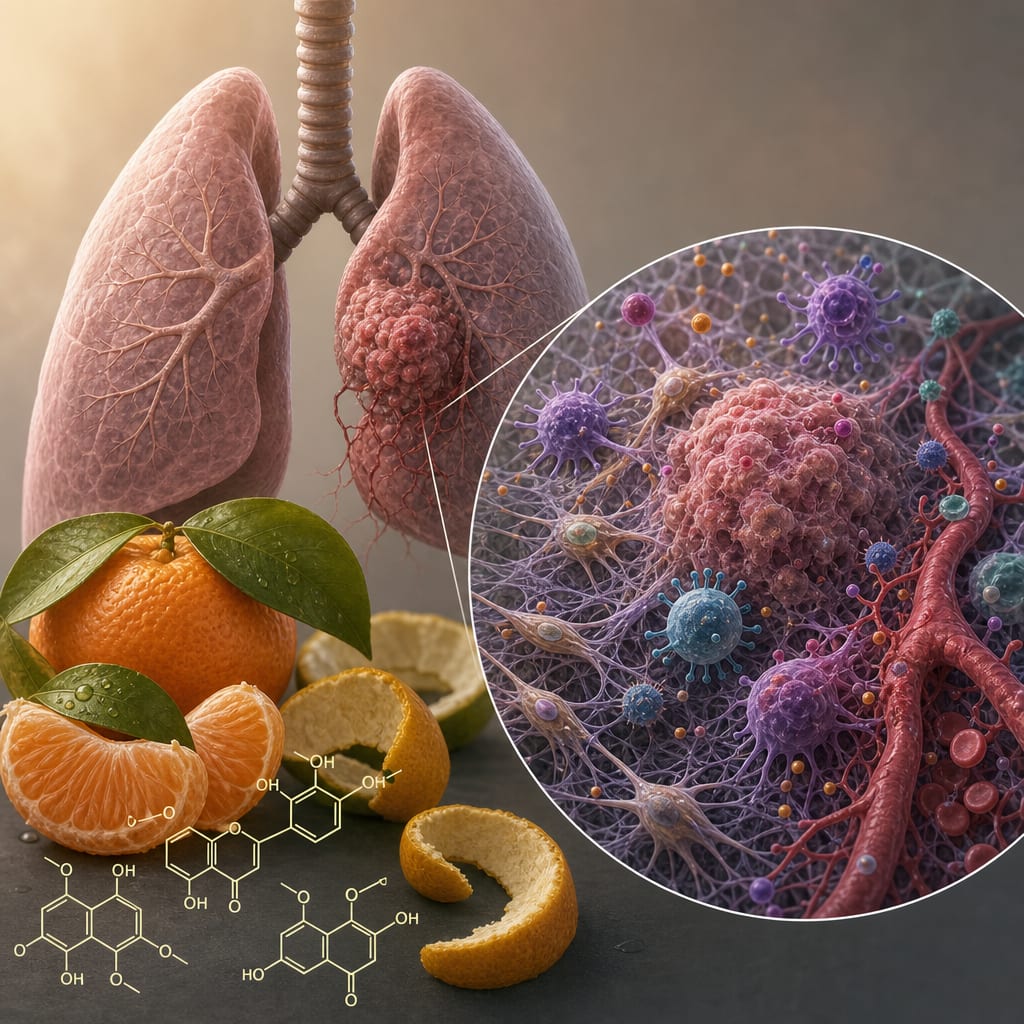
    Lactate accumulation significantly influences the tumor microenvironment in lung adenocarcinoma (LUAD), affecting cell composition and function.

  • 2

    High-lactate tumors show increased epithelial and fibroblast populations, while low-lactate samples are enriched with T/NK cells and monocytes/macrophages.

  • 3

    Spatial metabolomics revealed distinct lactate distributions, with endothelial cells in high-lactate areas exhibiting angiogenic and stress-response signatures.

  • 4

    Machine learning models identified endothelial and fibroblast programs as key factors in high-lactate states and poor clinical outcomes.

  • 5

    The study highlights lactate-driven pathways as potential therapeutic targets, emphasizing their role in immune suppression and vascular remodeling in LUAD.

Original Source(s)

Related Content