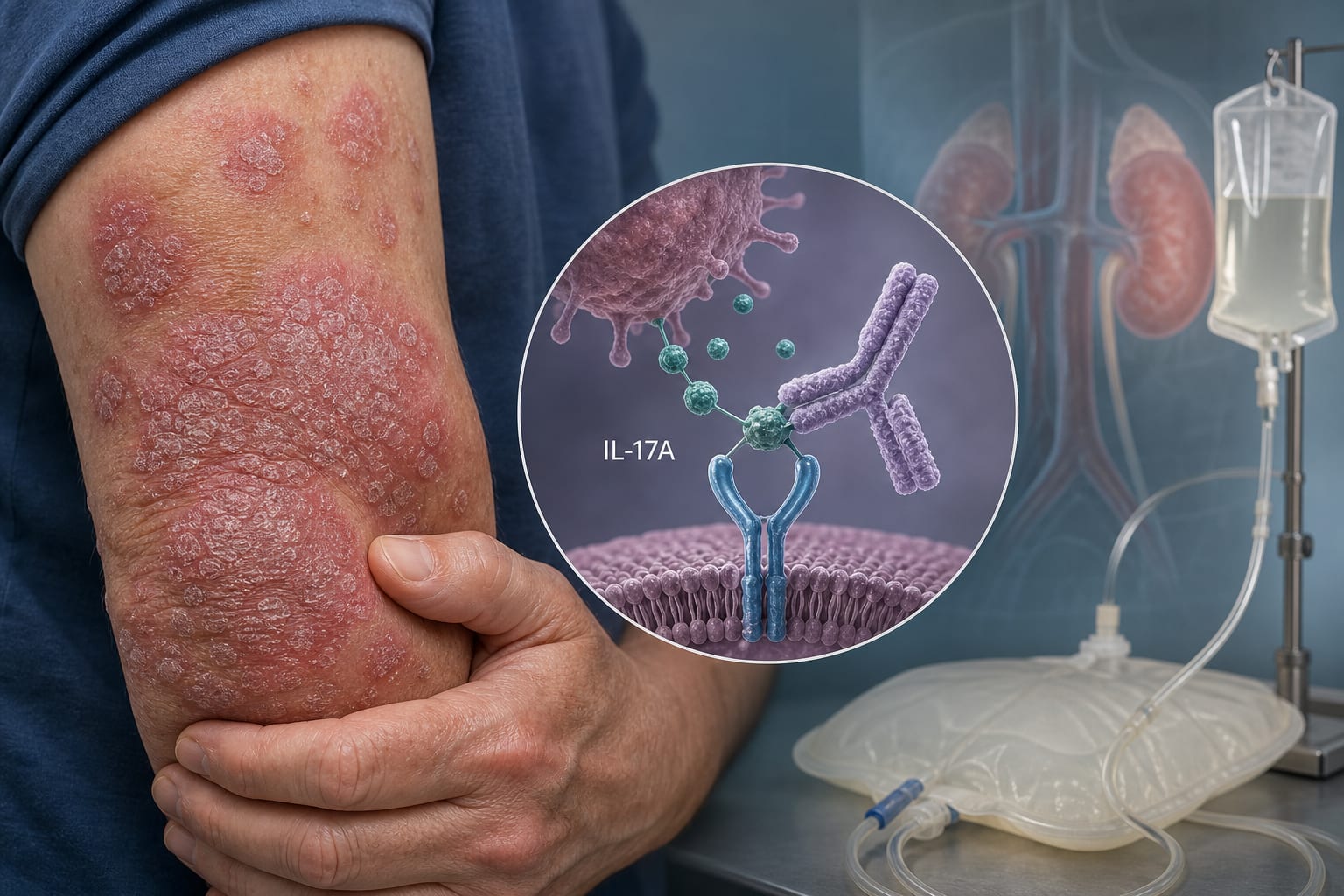
Psoriatic skin shows increased cholesterol synthesis, which may promote proinflammatory pathways contributing to psoriasis pathobiology.
2
UVB phototherapy may effectively treat psoriasis through mechanisms beyond immunosuppression, including modulation of cholesterol and ROR-gamma signaling.
3
UVB exposure can photolyze cholesterol precursors, reducing cholesterol synthesis while generating vitamin D3 and its derivatives that inhibit ROR-gamma.
4
The proposed mechanisms for UVB therapy include attenuation of cholesterol synthesis, generation of metabolites that inhibit IL-17 signaling, and activation of the vitamin D receptor.
5
Further research is needed to validate the roles of lumisterol and tachysterol derivatives in ROR-gamma signaling and the Bloch pathway in human skin.
Investigational inhibitor was not associated with treatment-related serious adverse events and produced biomarker changes consistent with pathway inhibition in healthy volunteers.