A targeted behavioral economics-based mobile health intervention to improve medication adherence in patients with hypertension: A three-arm randomized controlled trial - Takeaways - MDSpire
Coming Soon: Introducing MDSpire News. Learn more
Conexiant’s news site is now MDSpire News. Learn more

A Mobile Health Intervention Utilizing Behavioral Economics to Enhance Medication Adherence in Hypertensive Patients: Results from a Three-Arm Randomized Controlled Trial

  • By

  • Jan Strebel

  • Anjali Raja Beharelle

  • Michael Mayr

  • Valeriya Nemtsova

  • Joachim Zahnd

  • Gregoire Wuerzner

  • Georg Ehret

  • Michael Stiefel

  • Emrush Rexhaj

  • Théo Meister

  • Annina S. Vischer

  • Thilo Burkard

  • August 29, 2026

Share

  • 1

    Hypertension is a leading risk factor for cardiovascular disease, with non-adherence rates to medication ranging from 50% to 80% among patients.

  • 2

    Medication non-adherence contributes to approximately 125,000 deaths annually in the U.S. and significant healthcare costs of USD 100–300 billion.

  • 3

    The BEHAVE-HTN study evaluated a mobile health application designed to improve medication adherence among hypertensive patients in Switzerland.

  • 4

    Participants were randomly assigned to three groups: mApp with financial incentives, mApp without incentives, and standard-of-care.

  • 5

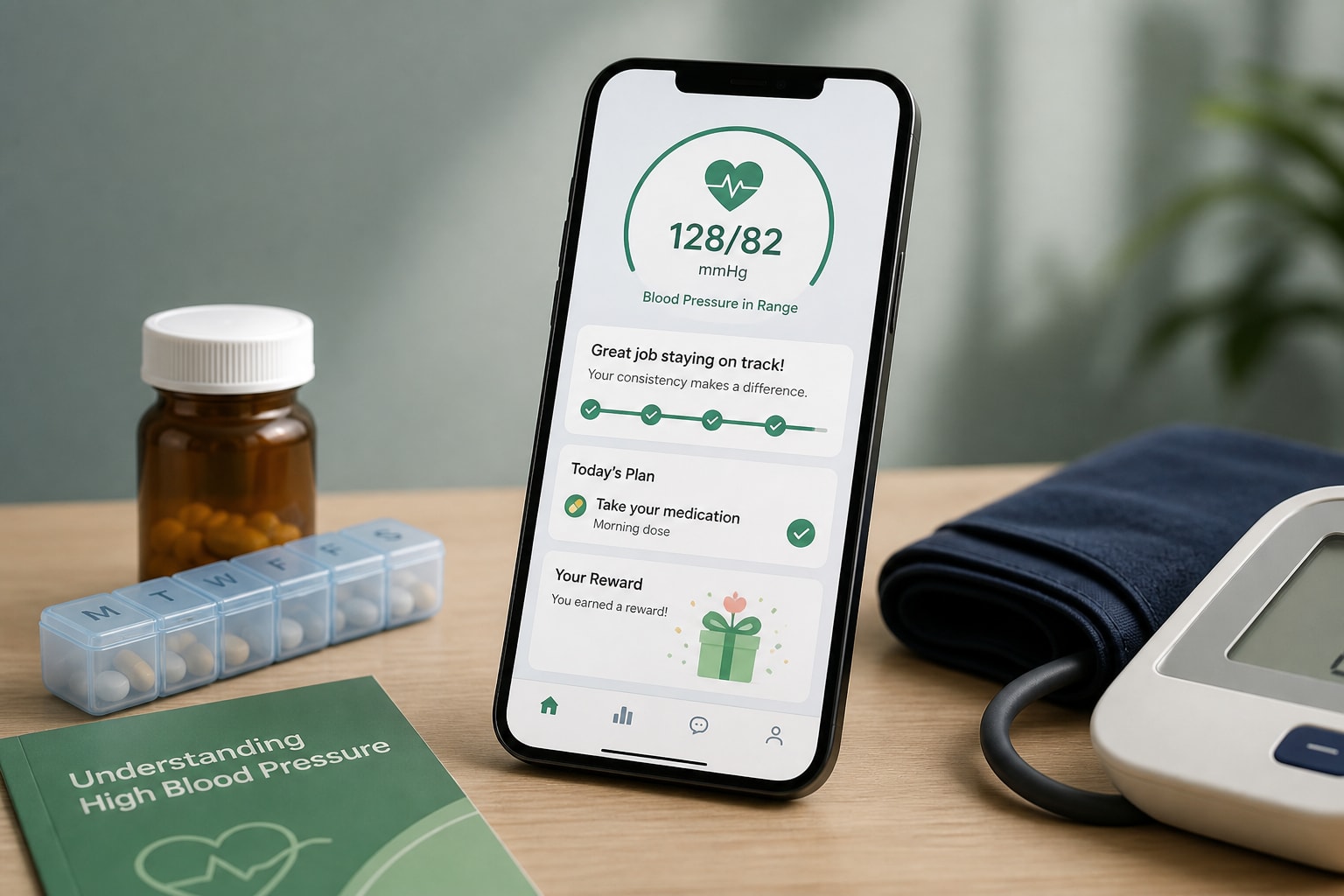
    The mApp includes features like medication reminders, rewards for adherence, and gamification to support habit formation and BP control.

Original Source(s)

Related Content