ERCC6L in human cancers: oncogenic functions, molecular mechanisms, and clinical implications as a prognostic biomarker and therapeutic target - Takeaways - MDSpire

ERCC6L in human cancers: oncogenic functions, molecular mechanisms, and clinical implications as a prognostic biomarker and therapeutic target

  • By

  • Lingyu Jiang

  • Huaihai Zhou

  • Jing He

  • Junqi Qin

  • Jianwei Huang

  • Jiaping Wei

  • Yifan Zhou

  • Yonglong Zhong

  • July 1, 2026

  • 0 min

Share

  • 1

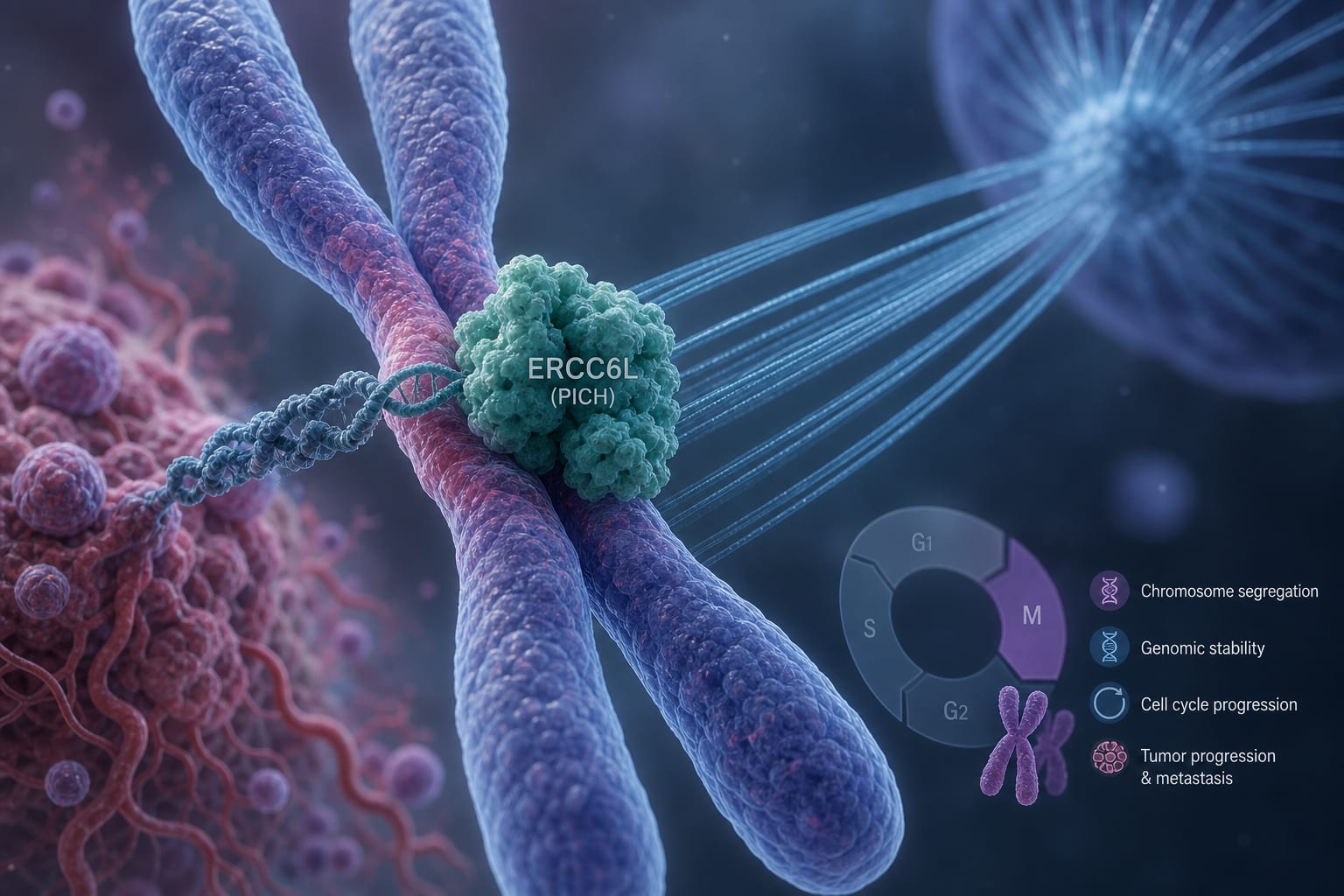
    ERCC6L is frequently overexpressed in various tumors, driven by DNA amplification and promoter hypomethylation.

  • 2

    High ERCC6L expression correlates with advanced tumor stages, metastasis, and poor prognosis in multiple cancer types.

  • 3

    ERCC6L promotes malignant phenotypes by enhancing cell proliferation, anti-apoptotic effects, and invasion through epithelial-mesenchymal transition.

  • 4

    Mechanistically, ERCC6L interacts with mitotic regulators and activates pro-survival pathways, linking it to cancer progression.

  • 5

    ERCC6L's role in creating an immunosuppressive tumor microenvironment suggests its potential as a predictive biomarker for immunotherapy.

Original Source(s)

Related Content