-
1
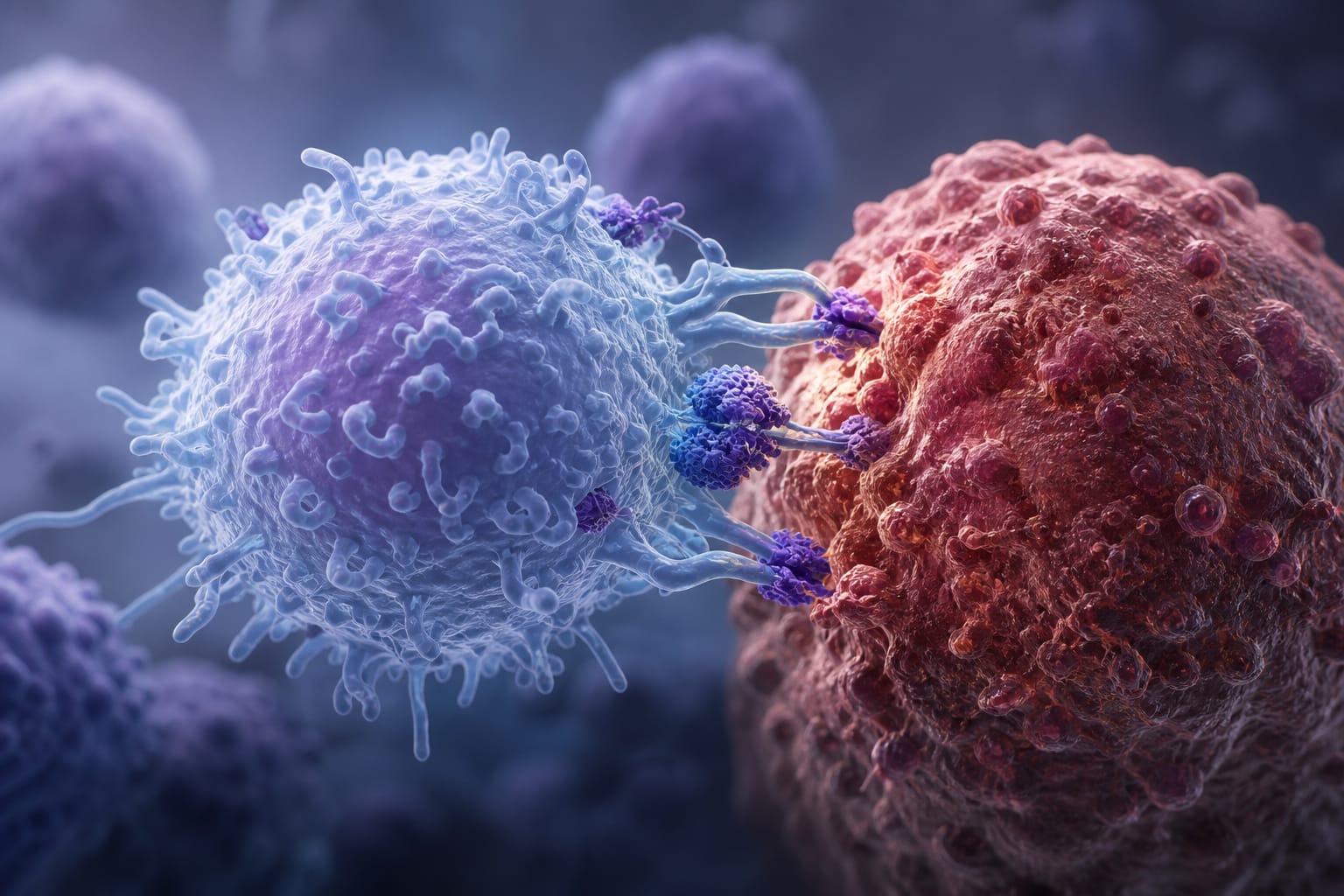
Surgery, chemotherapy, and radiotherapy have been foundational in cancer therapy, but new modalities like immunotherapies are emerging.
-
2
Immunotherapy, including immune checkpoint inhibitors, shows promise but faces challenges like varying response rates and treatment resistance.
-
3
CAR-T cell therapies have transformed hematological cancer management, yet their efficacy in solid tumors and manufacturing costs remain barriers.
-
4
Engineered oncolytic viruses and bacteria are being explored as cancer therapeutics, but clinical translation faces significant obstacles.
-
5
Targeted therapies have evolved, with PARP inhibitors and KRAS inhibitors demonstrating advances, while antibody-drug conjugates face emerging resistance.
Based on findings from:
Next-generation cancer therapeutics
Nature Cancer, 2026.
https://www.nature.com/articles/s43018-026-01244-w
This content is an AI-generated, fully rewritten summary based on a published scholarly article. It does not reproduce the original text and is not a substitute for the original publication. Readers are encouraged to consult the source for full context, data, and methodology.