Case Report: Palopegteriparatide as a novel therapeutic option in pediatric autosomal dominant hypocalcemia type 1 - Takeaways - MDSpire

Case Report: Palopegteriparatide as a novel therapeutic option in pediatric autosomal dominant hypocalcemia type 1

  • By

  • Arkadiusz Zygmunt

  • Anna Fedorczak

  • Łukasz Krotowski

  • Anna Łupińska

  • Kinga Sałacińska

  • Agnieszka Gach

  • Michael Mannstadt

  • Renata Stawerska

  • June 17, 2026

  • 0 min

Share

  • 1

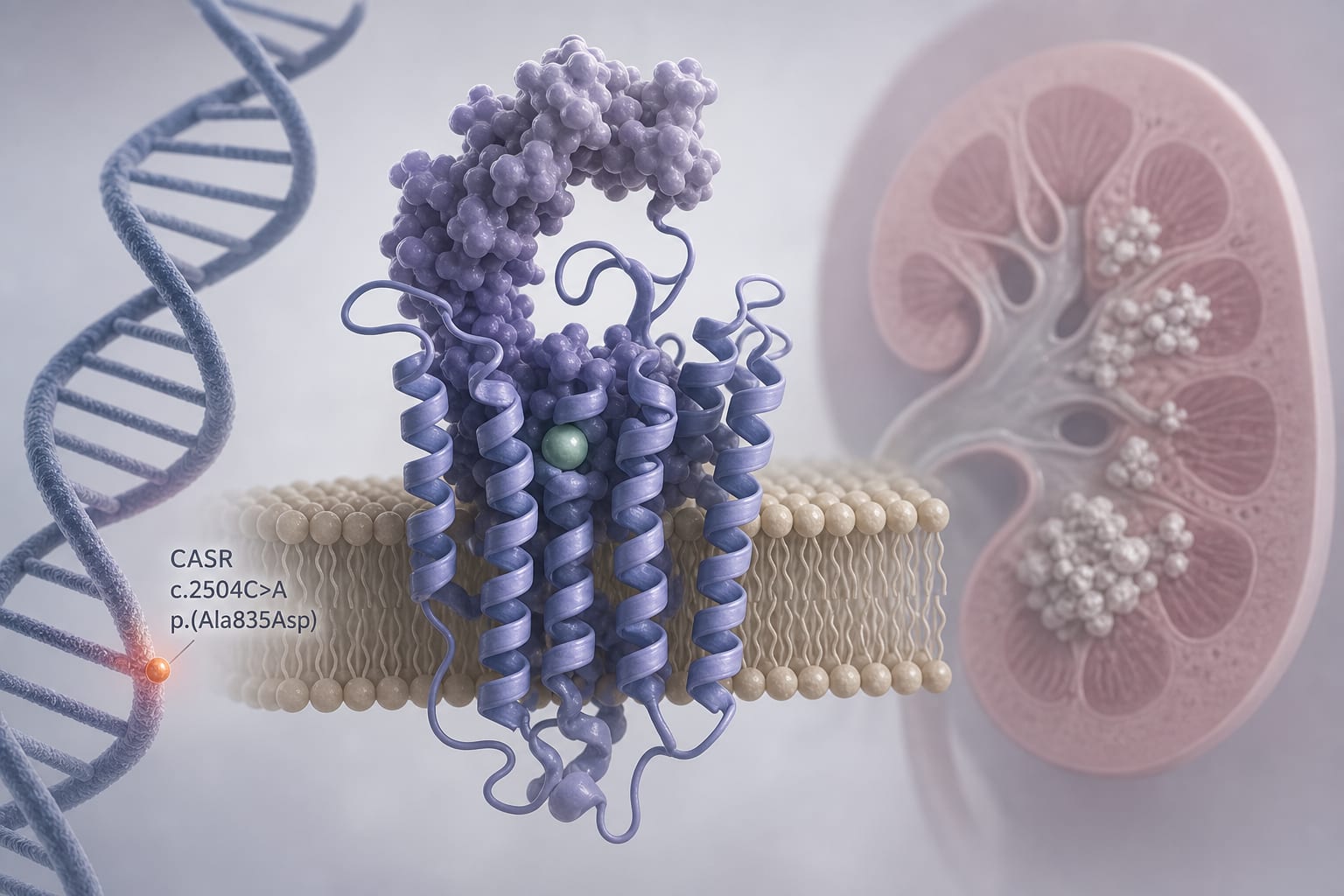
    Autosomal dominant hypocalcemia type 1 (ADH1) is caused by gain-of-function variants in the CASR gene, leading to hypocalcemia and related complications.

  • 2

    A 16-year-old boy with ADH1 experienced severe symptoms despite standard therapy, including hypocalcemia, seizures, and nephrocalcinosis.

  • 3

    Palopegteriparatide was initiated off-label due to inadequate control with conventional treatments, resulting in improved biochemical stability.

  • 4

    The patient achieved complete resolution of tetany and was able to discontinue alfacalcidol and calcium supplementation after treatment.

  • 5

    This case suggests that palopegteriparatide may be a promising option for pediatric ADH1 patients when standard therapies fail.

Original Source(s)

Related Content