-
1
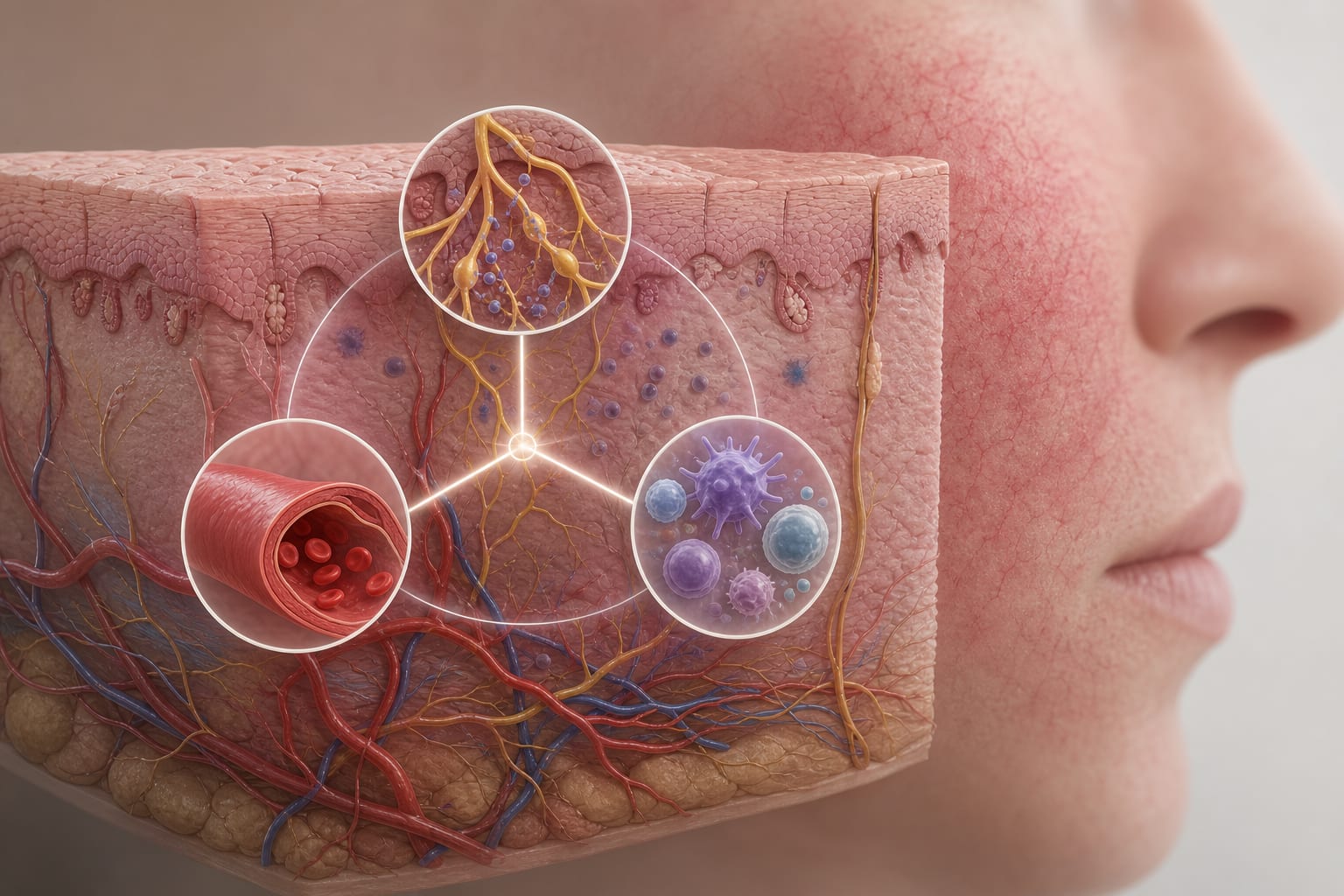
Rosacea is a chronic inflammatory skin condition primarily affecting the face, characterized by flushing, erythema, and telangiectasia.
-
2
The neuro-vascular-immune triad plays a crucial role in the pathogenesis of rosacea, influencing disease progression and symptoms.
-
3
Severe rosacea can lead to psychological issues such as anxiety and depression, significantly affecting patients' quality of life.
-
4
Emerging treatments targeting the neuro-vascular-immune triad include γ-aminobutyric acid derivatives, antidepressants, and neuromodulation techniques.
-
5
Current therapies lack large-scale randomized controlled trials, highlighting the need for further research on dosing regimens and treatment durations.