Dual-layer dual-energy CT-derived pulmonary perfusion for the differentiation of acute pulmonary embolism and chronic thromboembolic pulmonary hypertension - Takeaways - MDSpire
Coming Soon: Introducing MDSpire News. Learn more
Conexiant’s news site is now MDSpire News. Learn more

Evaluation of Pulmonary Perfusion via Dual-Layer Dual-Energy CT for Distinguishing Acute Pulmonary Embolism from Chronic Thromboembolic Pulmonary Hypertension

  • By

  • Roman Johannes Gertz

  • Felix Gerhardt

  • Michael Pienn

  • Simon Lennartz

  • Jan Robert Kröger

  • Liliana Caldeira

  • Lenhard Pennig

  • Thomas Henning Schömig

  • Nils Große Hokamp

  • David Maintz

  • Stephan Rosenkranz

  • Alexander Christian Bunck

  • November 3, 2023

Share

  • 1

    Acute pulmonary embolism (PE) is a leading cause of cardiovascular death, while chronic thromboembolic pulmonary hypertension (CTEPH) can develop from unresolved PE.

  • 2

    CTEPH is characterized by increased mean pulmonary artery pressure and specific imaging features, but its diagnosis is often delayed due to subtle signs.

  • 3

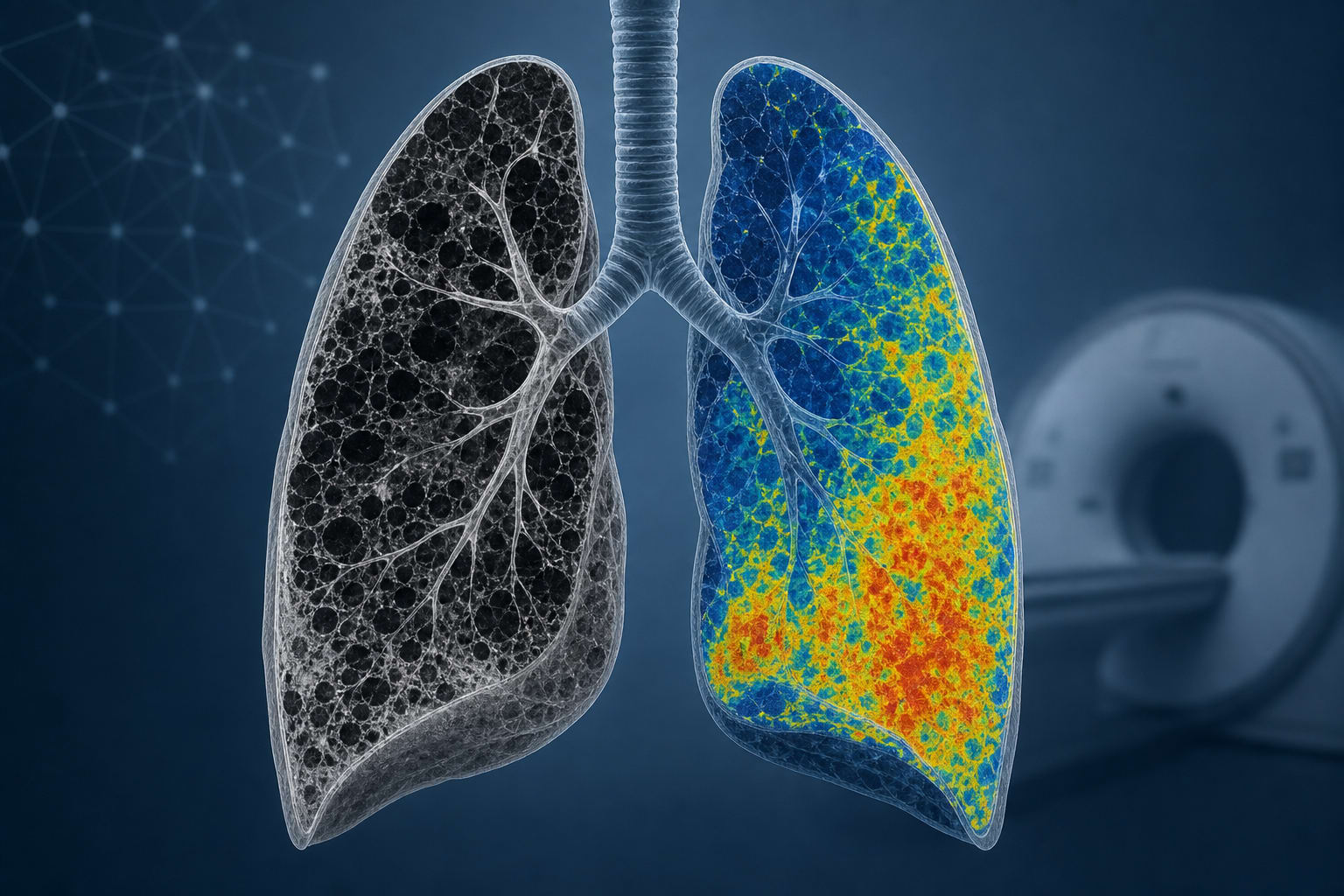
    Dual-energy CT (DECT) allows for mapping pulmonary perfusion, helping to visualize and quantify perfusion defects in both acute PE and CTEPH.

  • 4

    Single-phase dual-layer dual-energy CT (dlDECT) has shown potential for detecting and quantifying pulmonary perfusion abnormalities in acute PE and CTEPH.

  • 5

    The study aimed to evaluate dlDECT's diagnostic ability to differentiate between acute and chronic stages of pulmonary thromboembolism.

Original Source(s)

Related Content