-
1
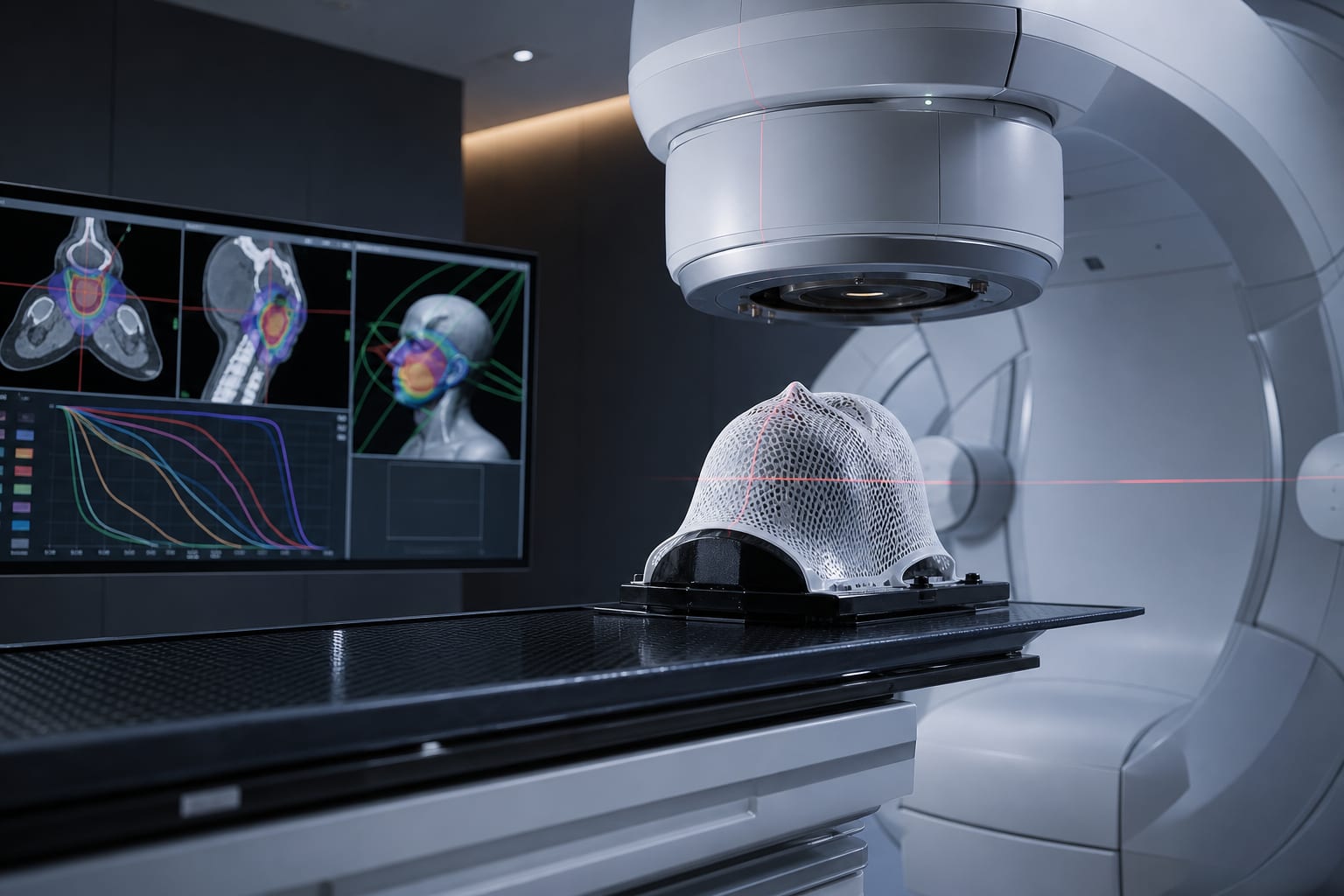
Intensity-modulated radiotherapy (IMRT) and volumetric modulated arc therapy (VMAT) have improved 5-year local control rates for nasopharyngeal carcinoma (NPC) to over 90%.
-
2
Treatment-related toxicities are now recognized as significant factors affecting long-term quality of life in NPC patients, shifting focus from survival to quality of survival.
-
3
A three-dimensional strategy for toxicity reduction includes spatial precision sculpting, temporal sequential optimization, and energy technology escalation.
-
4
Evidence from large-scale trials supports the reduction of target volumes based on tumor response to induction chemotherapy to minimize toxicity.
-
5
Successful toxicity reduction in NPC treatment requires an individualized decision-making system incorporating biomarkers, patient-reported outcomes, and real-world data.