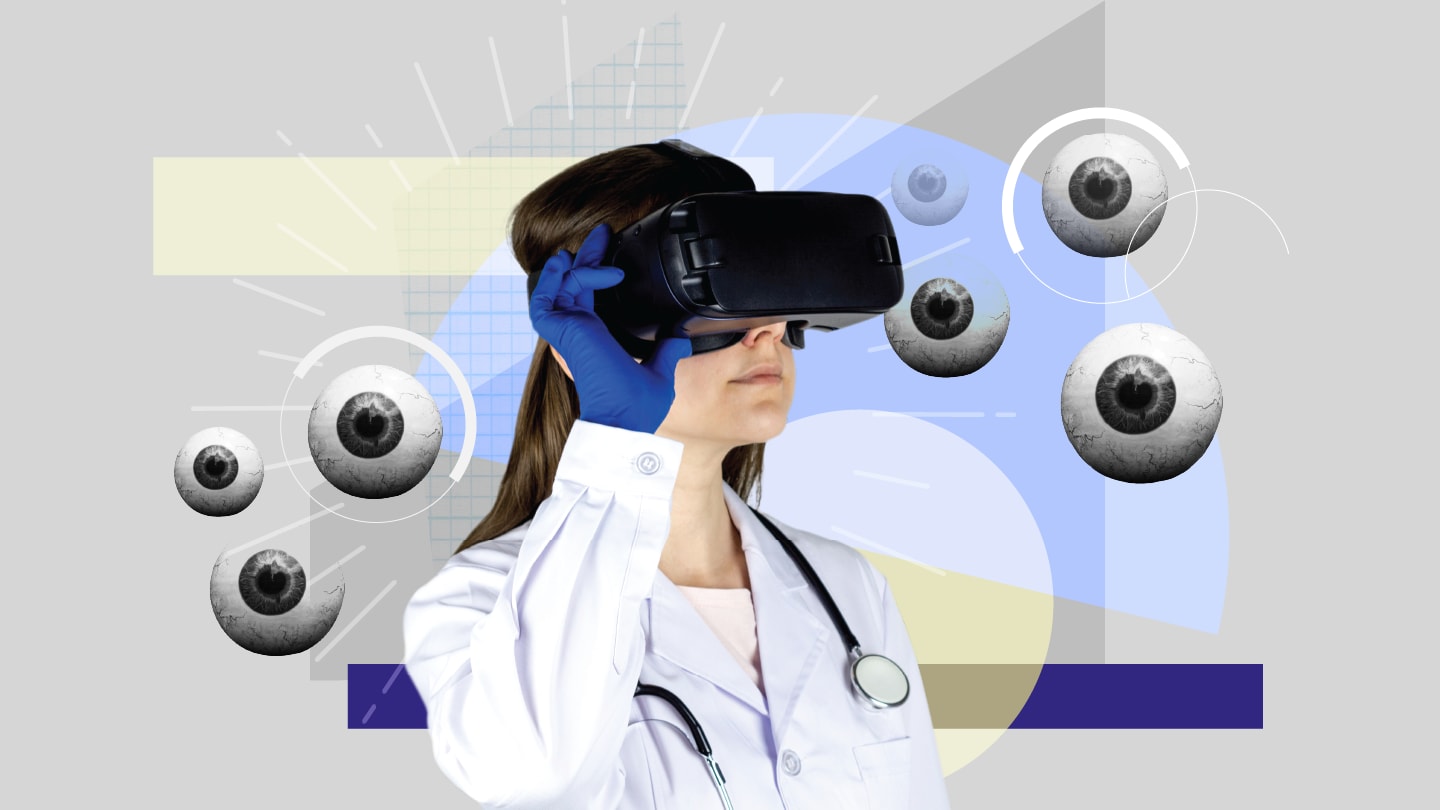
Virtual reality simulations can enhance empathy and understanding among parents of visually impaired children by allowing them to experience their child's perspective.
2
The study utilized a bespoke VR platform called Empatheyes to create tailored visual environments reflecting various visual impairments.
3
Participants reported significant emotional impacts, including empathy, relief, sadness, and guilt, which strengthened their ability to support their child.
4
The immersive experience prompted parents to become more proactive advocates for their child's educational and social needs.
5
The research suggests that VR technology may bridge communication gaps in pediatric ophthalmology, enhancing understanding of visual impairments.