-
1
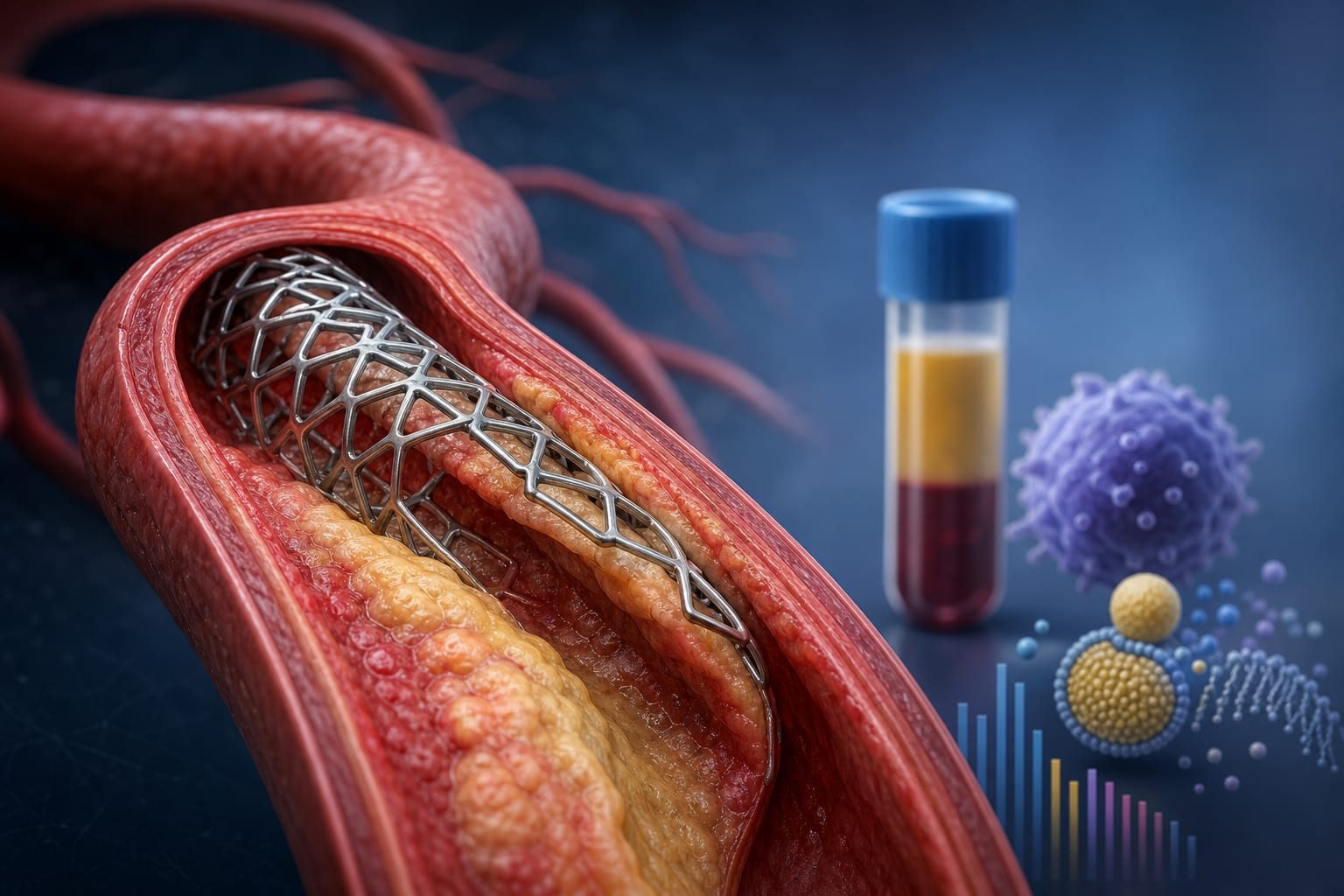
In-stent restenosis (ISR) remains a significant cause of failure in percutaneous coronary intervention (PCI) despite advancements in drug-eluting stents (DES).
-
2
The study analyzed 564 patients, identifying 112 with ISR and 452 without, to investigate inflammatory indices and lipid parameters associated with ISR.
-
3
Higher levels of CRI-II and LCI were found in the ISR group, with CRI-II and LCI identified as independent risk factors for ISR after adjustment.
-
4
Receiver operating characteristic analysis indicated that CRI-II and LCI had limited discriminatory ability for predicting ISR, with AUC values below 0.7.
-
5
The study concludes that while CRI-II and LCI show statistical associations with ISR, they are not ready for clinical recommendation in risk stratification.