MGST1 drives lymph node metastasis in papillary thyroid carcinoma via mitochondrial metabolic reprogramming and immune suppression - Takeaways - MDSpire

MGST1 drives lymph node metastasis in papillary thyroid carcinoma via mitochondrial metabolic reprogramming and immune suppression

  • By

  • Qing-Xuan Wang

  • Chang-Feng Yu

  • Ke-Chen Zhang

  • Jun-Hao Zhang

  • Xu-Jie Zhou

  • Tong-Xin Zou

  • Hao-Zhuo Huang

  • Tian-Yu Han

  • Hua-Zhen Mei

  • Kai-Bo Su

  • Jie You

  • Jin-Miao Qu

  • Cong Xie

  • Quan Li

  • Ye-Feng Cai

  • June 4, 2026

  • 0 min

Share

  • 1

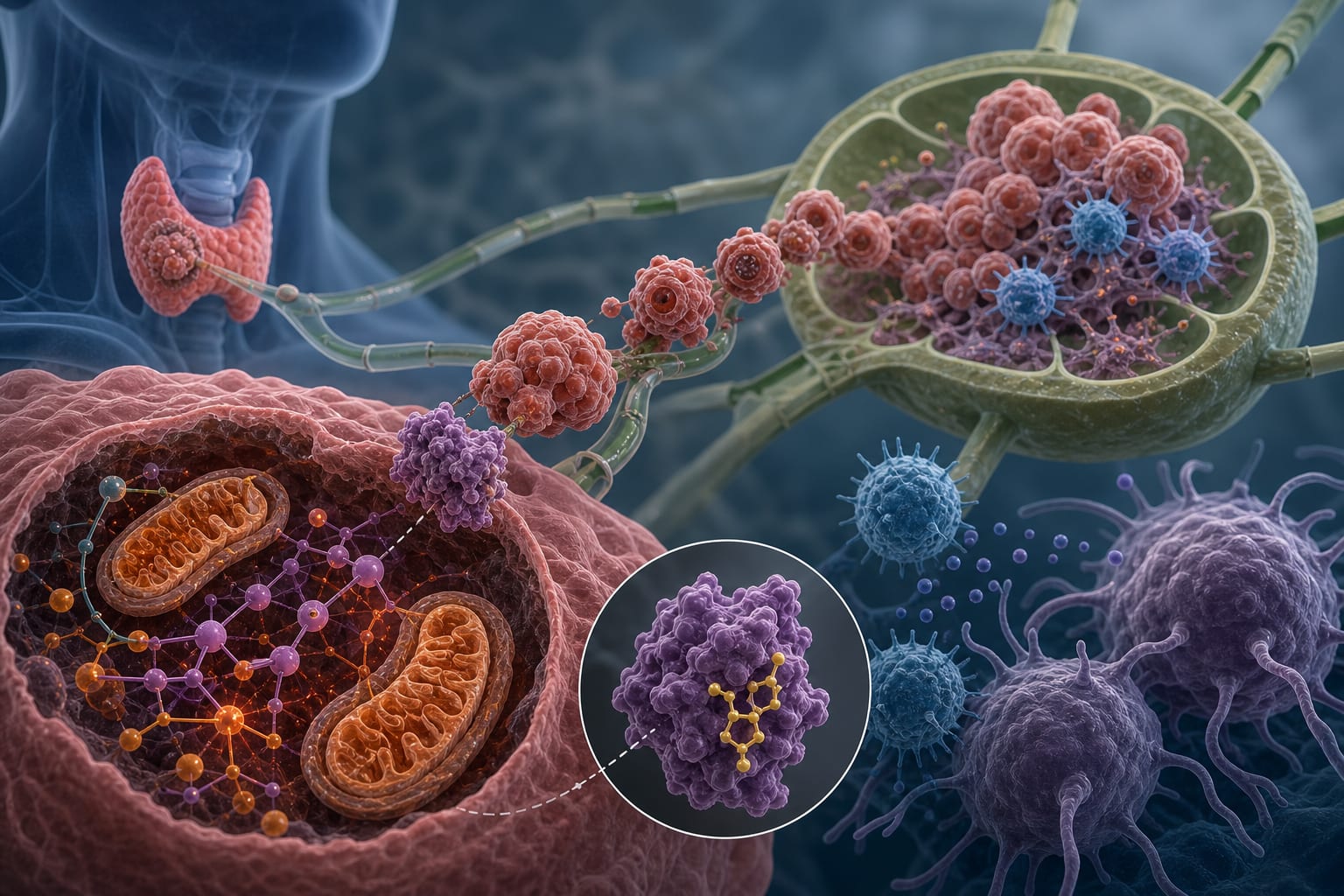
    MGST1 is identified as a core predictor of lymph node metastasis in papillary thyroid carcinoma, linked to mitochondrial metabolic reprogramming and immune evasion.

  • 2

    A high-risk 'Mito-high' subtype of PTC exhibits distinct metabolic reprogramming and an immunosuppressive microenvironment, correlating with poor outcomes.

  • 3

    Pharmacological inhibition of MGST1 with Toxoflavin significantly suppresses proliferation, migration, and invasion of PTC cells while inducing apoptosis.

  • 4

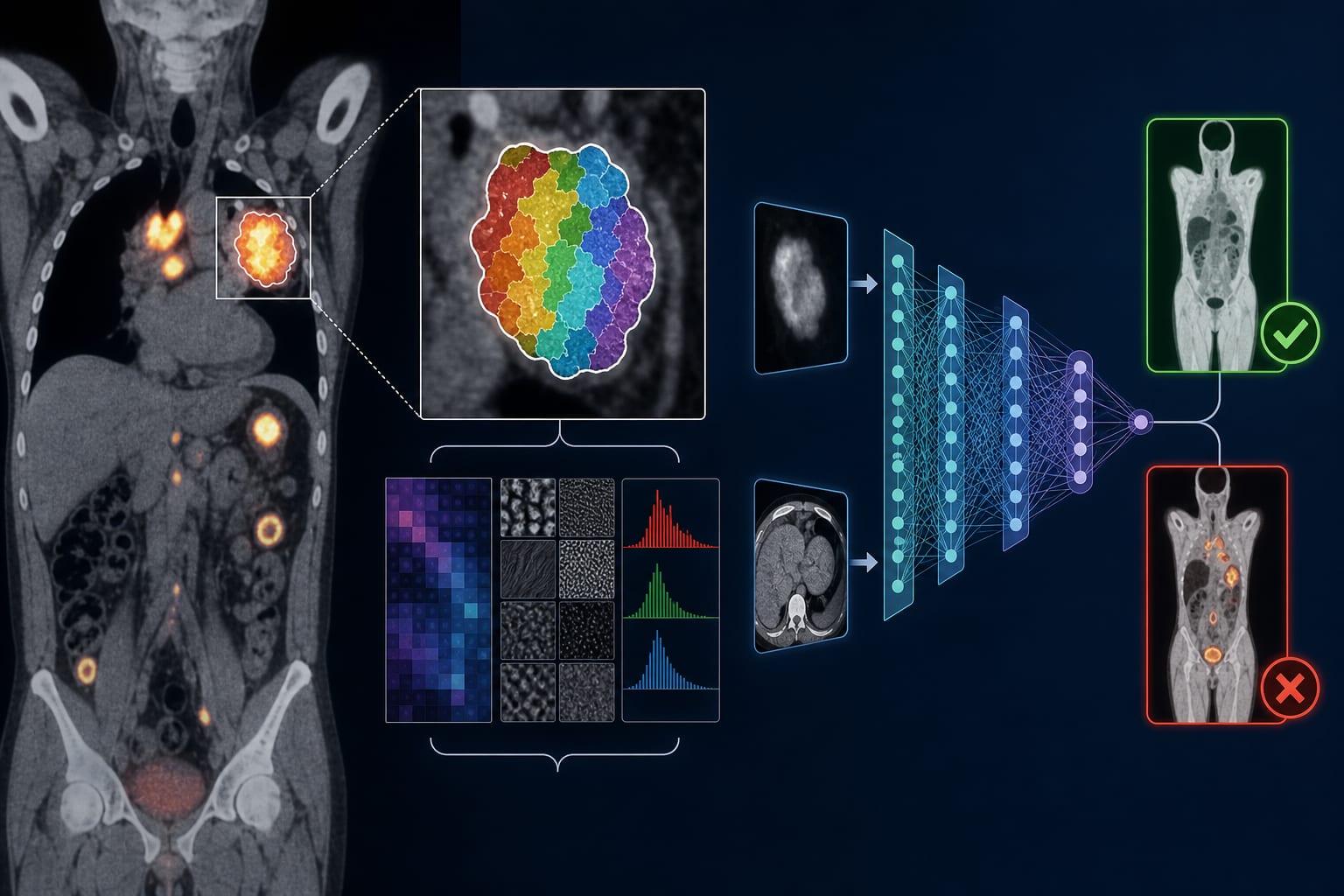
    The MGST1-based model demonstrates robust predictive performance for metastatic risk stratification, achieving an AUC of 0.833 in external validation.

  • 5

    The study integrates multi-omics data to explore mitochondrial pathways, highlighting MGST1's potential as a diagnostic marker and therapeutic target in PTC.

Original Source(s)

Related Content