A study on the effectiveness of multiple intraoperative disinfections and bacteriological monitoring in reducing postoperative intracranial infection rates in transnasal endoscopic skull base surgery - Takeaways - MDSpire

A study on the effectiveness of multiple intraoperative disinfections and bacteriological monitoring in reducing postoperative intracranial infection rates in transnasal endoscopic skull base surgery

  • By

  • Duanzheng Cao

  • Danke Shen

  • Zhenyan Shi

  • Jie Wu

  • Shenhao Xie

  • Hai Luo

  • Bing Tang

  • March 26, 2025

  • 0 min

Share

  • 1

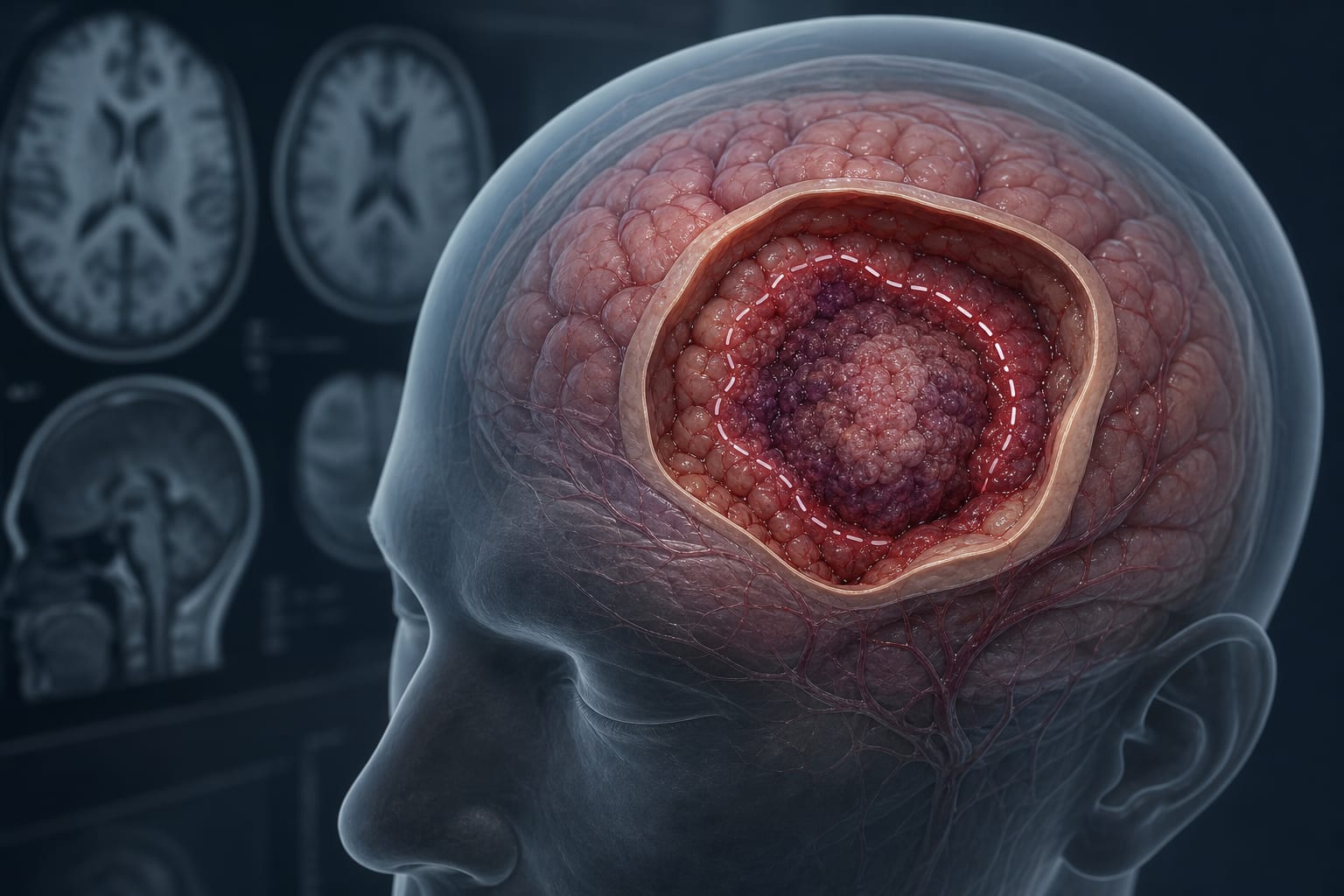
    Transnasal endoscopic skull base surgery (TESBS) is increasingly used for various skull base diseases due to its minimally invasive approach.

  • 2

    Intracranial infections post-TESBS occur in 0.8% to 7.98% of cases, primarily caused by non-pathogenic bacteria from the nasopharynx.

  • 3

    This study analyzed 1002 TESBS patients to compare the effectiveness of routine versus multiple intraoperative disinfection methods.

  • 4

    The multiple disinfection group had a lower intracranial infection rate (2.20%) compared to the routine disinfection group (5.72%).

  • 5

    Bacteriological monitoring during surgery revealed varying pathogenic bacteria, emphasizing the need for improved disinfection protocols.

Original Source(s)

Related Content