-
1
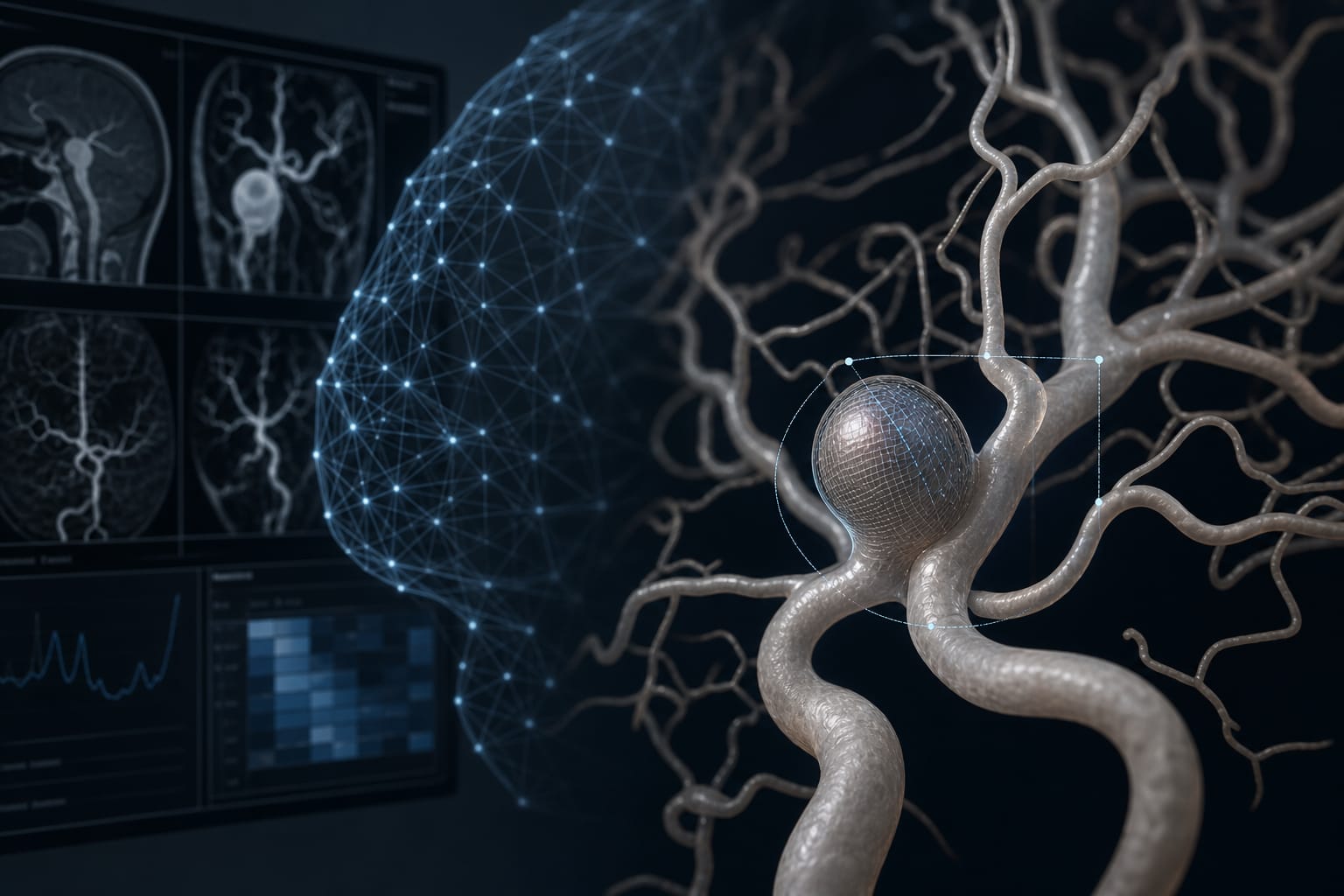
Artificial intelligence (AI) enhances neurovascular surgery by improving diagnostic accuracy, risk prediction, treatment planning, and patient outcomes.
-
2
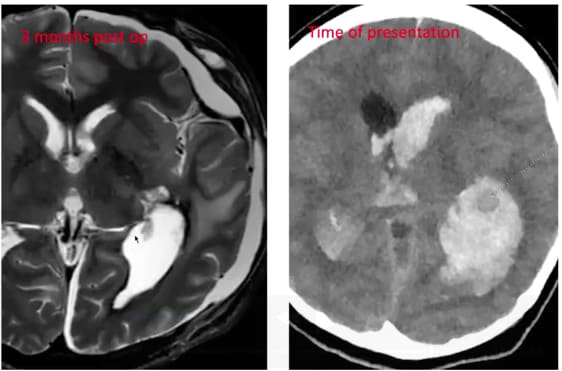
AI algorithms assist in detecting large vessel occlusions, characterizing aneurysm morphology, and differentiating hemorrhage subtypes.
-
3
AI models predict aneurysm rupture risk and functional recovery after stroke, aiding in therapeutic decision-making.
-
4
Challenges in AI deployment include algorithmic bias, limited generalizability, and regulatory barriers.
-
5
AI serves as an assistive tool in neurovascular surgery, augmenting clinician expertise rather than replacing it.