-
1
AI is increasingly used in facial aesthetic surgery for preoperative planning and outcome simulation, relying on machine learning techniques.
-
2
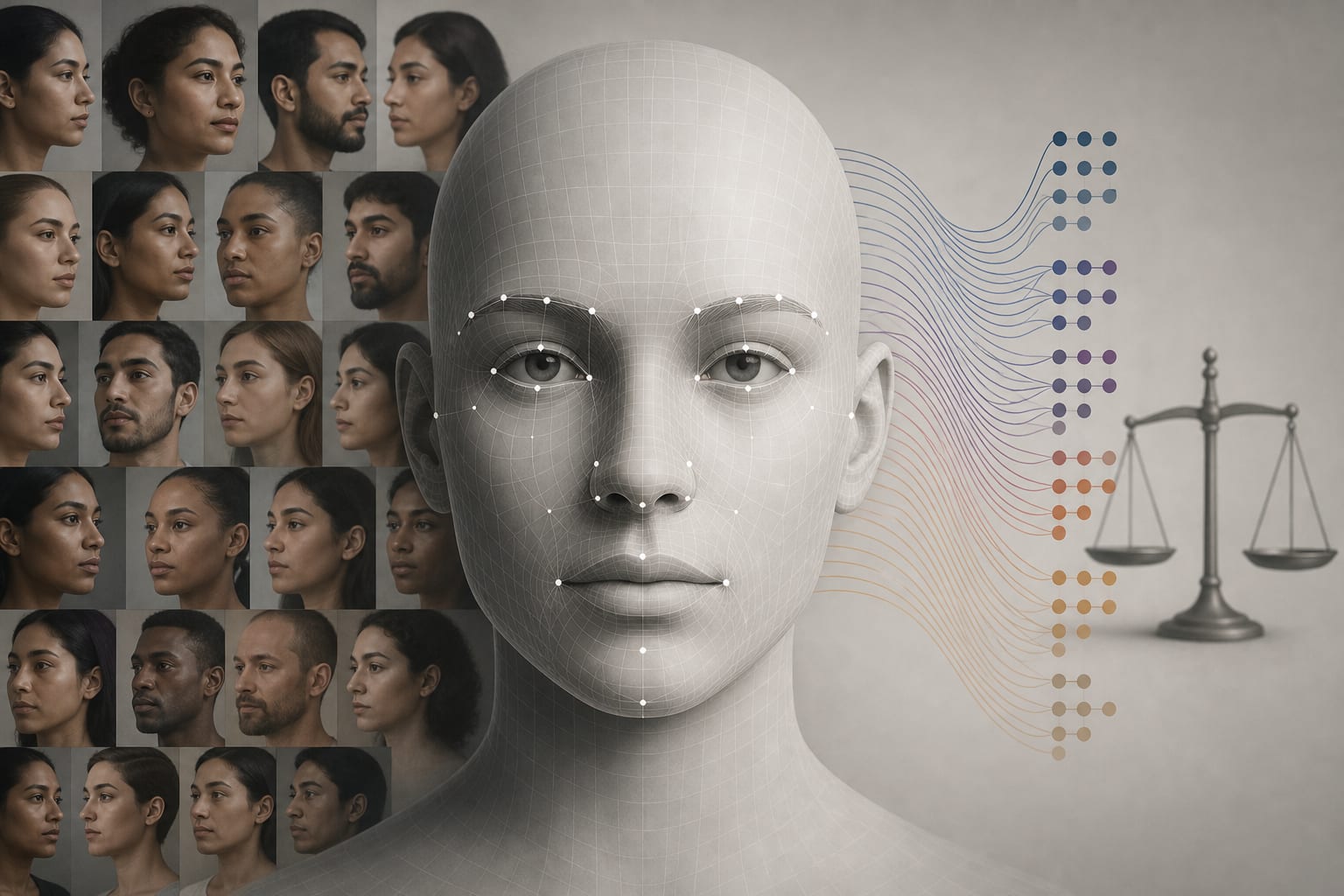
Current AI models for facial aesthetics lack standardization and validation, necessitating a deeper understanding of their training to avoid bias.
-
3
Cultural constructs of beauty complicate AI training, as universal principles of attractiveness interact with culture-specific preferences.
-
4
AI models trained on biased datasets risk perpetuating narrow beauty ideals, highlighting the need for culturally responsive training frameworks.
-
5
Recent innovations in AI architecture, such as hybrid approaches, enhance model performance by addressing dataset limitations and improving evaluative capacity.