Advanced neuromonitoring approaches may enhance detection of neurologic complications in ICU patients compared to standard clinical examinations.
2
Continuous electroencephalography (EEG) is crucial for identifying seizures in comatose patients, with up to 40% having nonconvulsive status epilepticus.
3
Multimodal neuromonitoring integrating various data types is recommended, as no single modality captures the full range of neurologic changes.
4
Automated pupillometry offers more accurate assessments of pupillary responses and strong prognostic accuracy in hypoxic ischemic brain injury.
5
Limitations in the evidence base include a focus on primary neurologic injury and the need for specialized expertise for neuromonitoring tools.
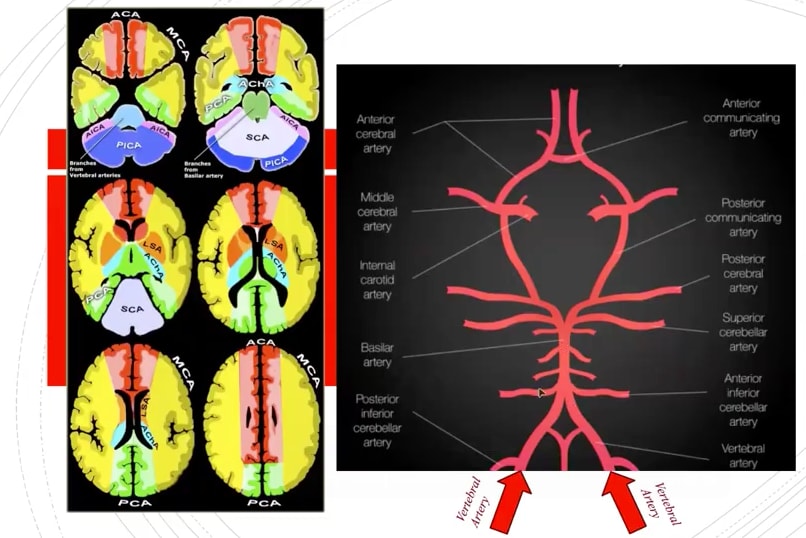
Bowhunter syndrome (BHS) is a rare but important cause of posterior circulation stroke in children, resulting from vertebral artery compression during head rotation.