MRI-derived IVIM-modelled diffusion-weighted imaging does not predict clinical outcomes in fontan-associated liver disease: to monitor or not to monitor the liver? - Takeaways - MDSpire

MRI-derived IVIM-modelled diffusion-weighted imaging does not predict clinical outcomes in fontan-associated liver disease: to monitor or not to monitor the liver?

  • By

  • Gaston van Hassel

  • Frans J. C. Cuperus

  • Paul E. Sijens

  • Tineke P. Willems

  • Eryn T. Liem

  • Elke S. Hoendermis

  • Joost P. van Melle

  • Rolf M. F. Berger

  • June 22, 2026

  • 0 min

Share

  • 1

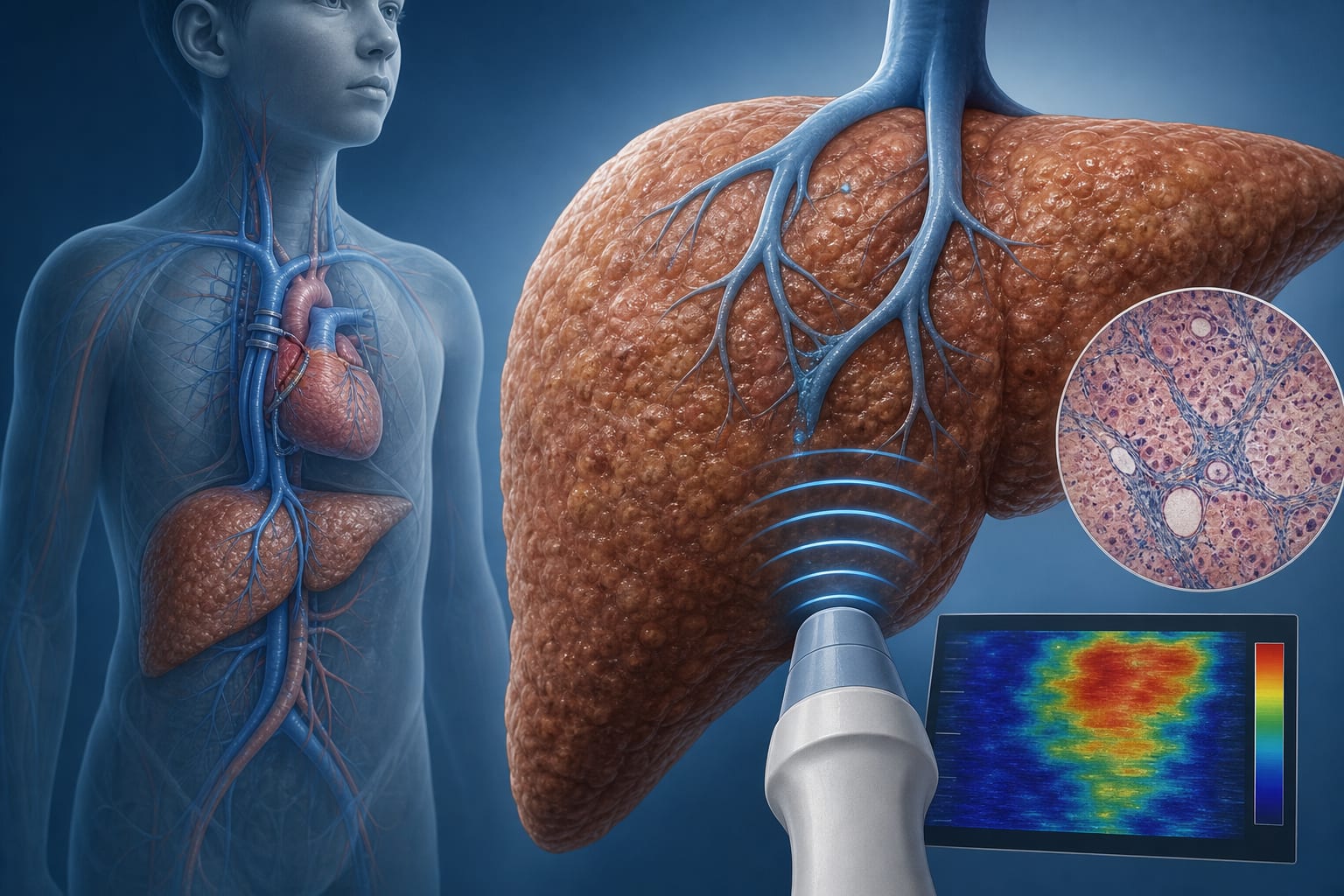
    Fontan-associated liver disease (FALD) can progress from hepatic congestion to fibrosis and cirrhosis, increasing the risk of hepatocellular carcinoma.

  • 2

    Current surveillance methods for FALD fail to differentiate between hepatic congestion and fibrosis or cirrhosis, limiting their effectiveness.

  • 3

    The study involved 59 Fontan patients who underwent MRI for IVIM-modelled diffusion-weighted imaging measurements.

  • 4

    No significant association was found between IVIM-modelled DWI parameters and clinical outcomes during a median follow-up of 9 years.

  • 5

    The findings raise questions about the justification of intensive monitoring strategies for FALD, given the lack of demonstrated clinical outcome relationships.

Original Source(s)

Related Content