Machine learning prediction of postoperative pulmonary embolism: a multicenter external validation study highlighting inflammatory response and intraoperative hemodynamics - Takeaways - MDSpire

Machine learning prediction of postoperative pulmonary embolism: a multicenter external validation study highlighting inflammatory response and intraoperative hemodynamics

  • By

  • Shunpeng He

  • Yuan Liu

  • Yilin Wu

  • June 18, 2026

  • 0 min

Share

  • 1

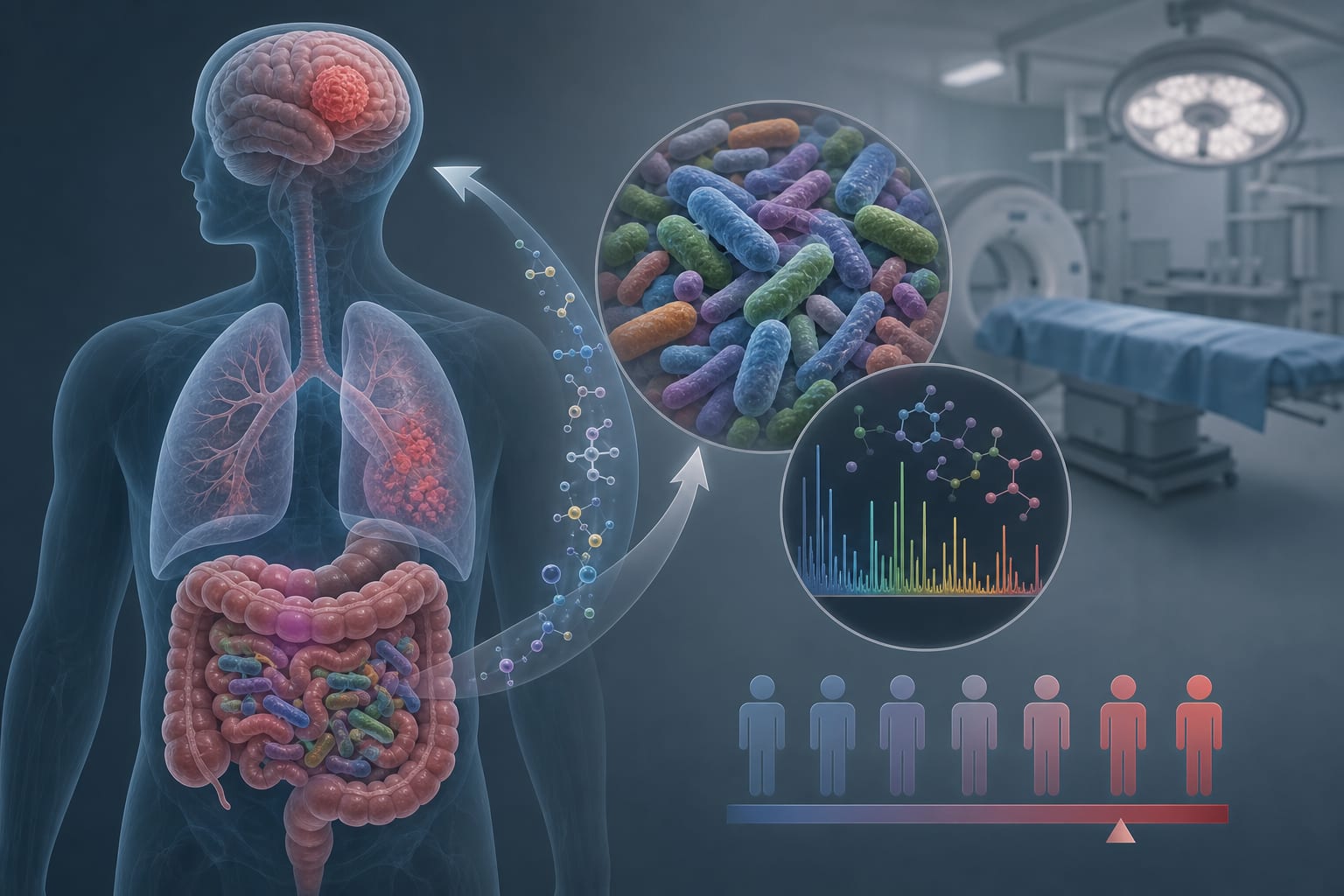
    A machine learning model was developed to predict postoperative pulmonary embolism (PE) using data from 3,494 surgical patients across six hospitals.

  • 2

    The model identified key predictors for postoperative PE, including age, BMI, malignancy history, and intraoperative tachycardia.

  • 3

    XGBoost was the most effective machine learning algorithm, achieving an AUC of 0.925 in external validation, indicating strong predictive performance.

  • 4

    SHAP analysis revealed influential factors for PE risk, providing insights into inflammatory and hemodynamic responses during surgery.

  • 5

    The study emphasizes the importance of early identification of high-risk patients to improve clinical decision-making and outcomes in postoperative care.

Original Source(s)

Related Content