Conexiant’s news site is now MDSpire News. Learn more
Advertisement
Multimodal Imaging in Inherited Retinal Disorders
As an increasing number of IRD patients are being identified and referred for genetic testing and counseling, clinicians would benefit from a practical and efficient framework for integrating multimodal imaging into their diagnoses and management. This review summarizes the utility of multimodal imaging across IRDs.
Multimodal imaging tools are essential for diagnosing and monitoring inherited retinal disorders (IRDs) due to their diverse genetic and phenotypic presentations.
2
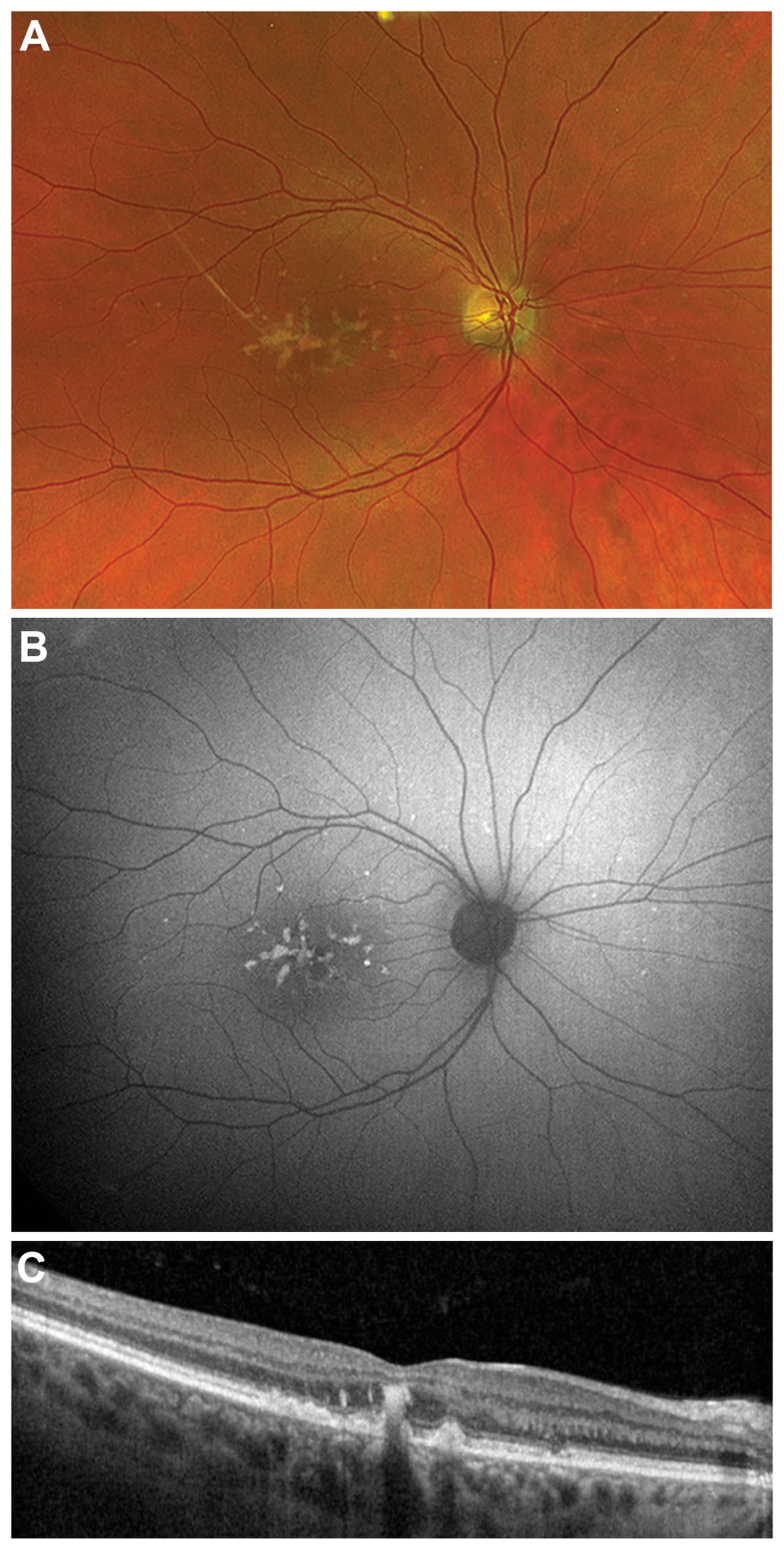
Fundus photography and ultrawidefield imaging provide critical baseline documentation and can reveal peripheral abnormalities in diseases like retinitis pigmentosa.
3
Fundus autofluorescence (FAF) is particularly valuable for early diagnosis and monitoring of IRDs, detecting abnormalities not visible on standard examinations.
4
Serial measurements of decreased autofluorescence areas in Stargardt disease enable precise tracking of disease progression and are widely used in clinical trials.
5
Near-infrared autofluorescence (NIR-AF) complements conventional FAF by reliably detecting structural abnormalities and correlating with disease features.