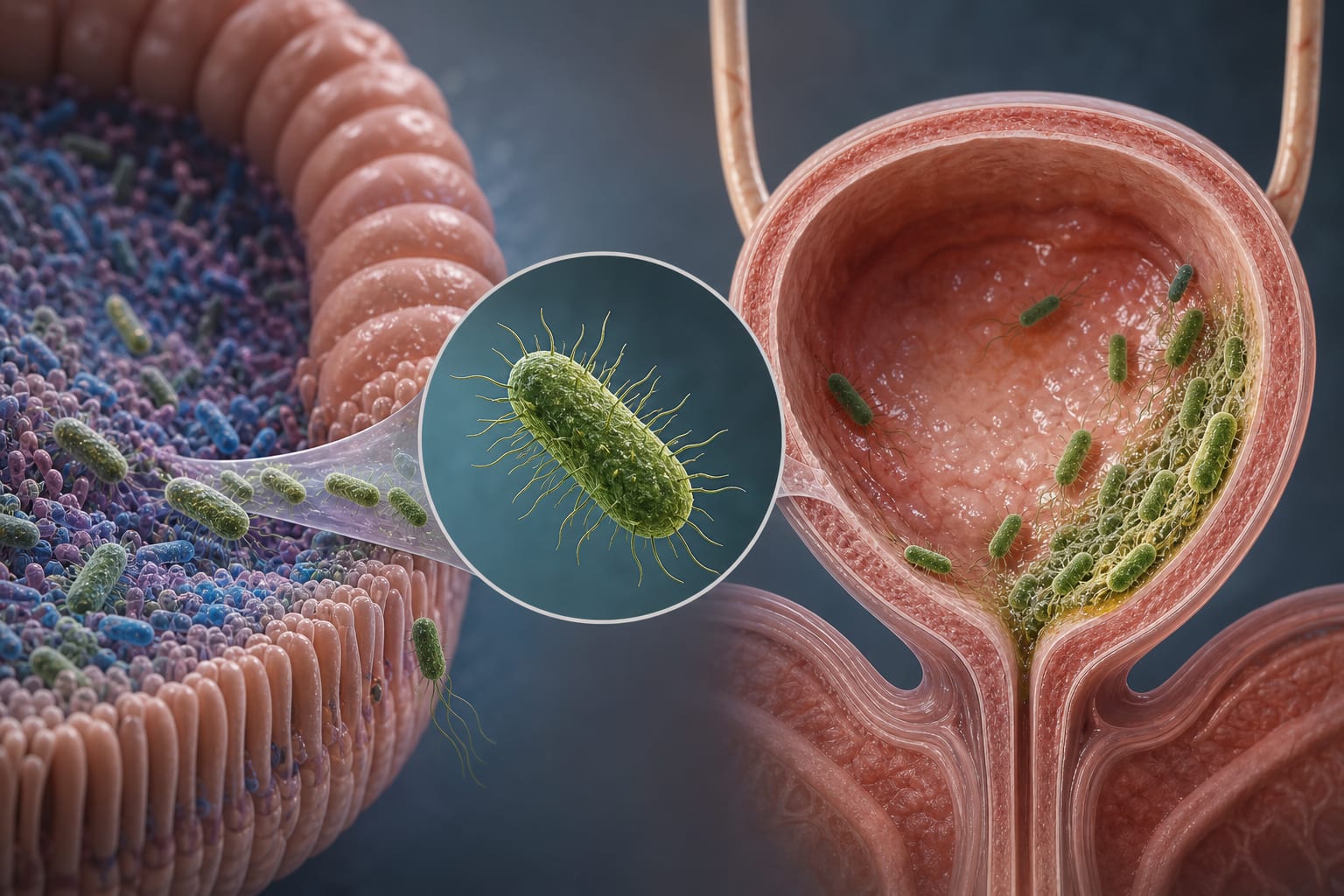
The Dual Role of Escherichia coli: Transitioning from a Commensal Organism to a Pathogen in Urinary Tract Infections
-
By
-
Sabiha Gul
-
July 3, 2026
By
Sabiha Gul
July 3, 2026
by Sabiha Gul
July 3, 2026
Molecular testing identified Encephalitozoon hellem in a 9-year-old orthokeratology lens wearer after conventional treatment failed.
September 16, 2026

A JAMA Viewpoint argues that 4 million physician-hours spent on compliance modules each year warrants institutional reassessment.
by Kerri Miller
April 16, 2026

A study links poor toothbrush hygiene habits to bacterial growth and limited patient knowledge.
April 29, 2026