Conexiant’s news site is now MDSpire News. Learn more
Advertisement
Innovative, Minimally Invasive Treatment for Drug-Resistant Epilepsy
Epilepsy remains a life-altering condition, particularly due to the unpredictable nature of seizures and their cumulative impact on cognition, independence and quality of life.
Approximately one-third of epilepsy patients experience drug-resistant epilepsy, defined as failure of two tolerated antiseizure medications.
2
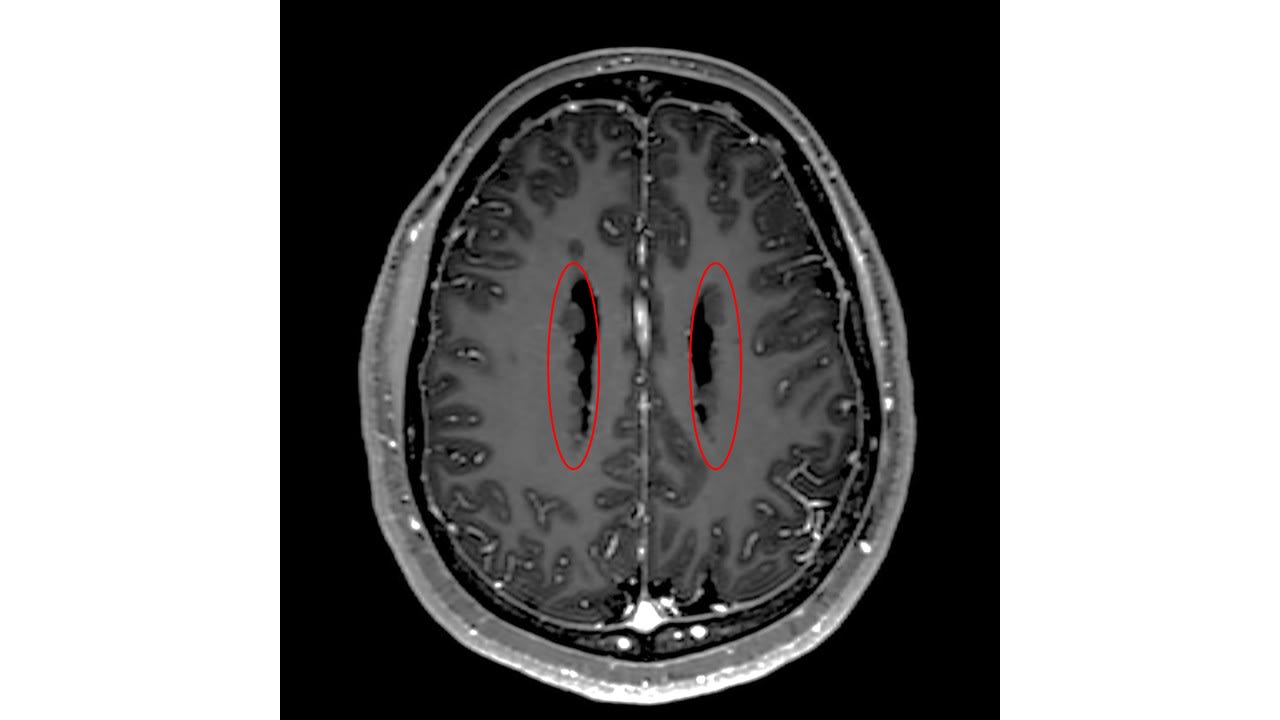
A 19-year-old woman with drug-resistant epilepsy underwent stereo-electroencephalography and radiofrequency thermocoagulation for seizure control.
3
The minimally invasive RF-TC technique significantly improved the patient's seizure control and quality of life, allowing her to consider resuming education.
4
Timely referral to Level 4 epilepsy centers is crucial for patients with drug-resistant epilepsy to access advanced diagnostics and treatment options.
5
The treatment landscape for drug-resistant epilepsy has expanded, incorporating minimally invasive techniques and multidisciplinary approaches for better outcomes.